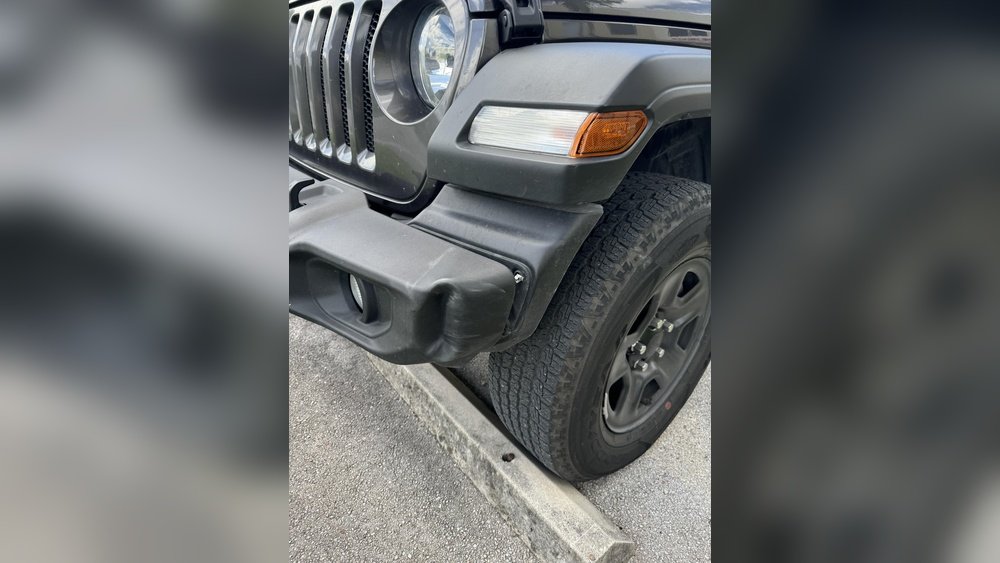
If you own a Jeep Wrangler, you may have noticed it sounds louder than most other vehicles on the road. Some drivers love the signature growl, while others find it distracting or even worrying.
Whether you’re a new owner or have driven Wranglers for years, understanding why your Jeep is so loud can help you decide if it's normal or if something needs fixing.
Common Reasons Your Jeep Wrangler Is Loud
There are several reasons why your Wrangler stands out for its noise level. Here’s a closer look at the most common factors.

1. Rugged Design
Jeep Wranglers are built for off-road performance, not quiet city cruising. The body-on-frame construction, removable roof, and boxy shape all impact sound levels.
- The removable hardtop or soft top allows more outside noise in compared to solid roofs.
- The flat windshield and upright doors create more wind turbulence at speed.
2. Tire Choices
Big, aggressive tires are a Wrangler trademark. But these tires are louder than regular ones.
- Mud-terrain tires have large treads that slap the pavement, creating a humming or droning sound.
- All-terrain tires are quieter than mud tires but still louder than street tires.
Here’s a quick comparison:
| Tire Type | Noise Level | Best For |
|---|---|---|
| Mud-Terrain | High | Off-road |
| All-Terrain | Medium | Mixed use |
| Highway/Street | Low | On-road |
3. Wind Noise
The Wrangler’s shape is not aerodynamic. At highway speeds, wind noise is much higher than in most SUVs.
- Gaps around doors and the roof can let wind in.
- Side mirrors and accessories like light bars can add whistling or buffeting sounds.
4. Engine And Exhaust Sound
Jeep Wranglers often use V6 or even turbocharged engines. Some models have aftermarket exhausts for extra power or a deeper growl.
- A factory exhaust is usually moderate, but aftermarket systems can be very loud.
- Older Wranglers have less insulation, making engine sounds more obvious.
5. Mechanical Issues
If your Wrangler suddenly gets louder, something may be wrong.
- A hole in the exhaust or a loose heat shield can create rattles.
- Worn bearings or suspension parts can add clunks or grinding.
If you notice a sharp change in noise, get it checked by a mechanic.
How Wrangler Noise Compares To Other Suvs
Many drivers wonder if their Wrangler is unusually loud, or if all SUVs are similar. The answer is: Wranglers are louder than most. Here’s a quick comparison with popular SUVs:
| Vehicle | Average Cabin Noise (dB at 70 mph) | Comments |
|---|---|---|
| Jeep Wrangler (JL) | 72-75 | High wind/road noise |
| Toyota 4Runner | 68-70 | More insulation |
| Honda CR-V | 66-68 | Quiet ride |
A difference of 3-5 decibels is very noticeable. For many Wrangler owners, this is the trade-off for rugged capability.
Is Loudness Normal, Or A Sign Of Trouble?
Most of the time, a Jeep Wrangler’s noise is normal. However, some sounds should not be ignored:
- Screeching or grinding when turning or braking
- Sudden pops, bangs, or rattles
- Constant loud exhaust after hitting a bump
If you hear any of these, it’s smart to have your Jeep checked. Routine noises from wind, tires, and the engine are part of the Wrangler experience.
Can You Make A Wrangler Quieter?
If the noise bothers you, there are ways to reduce it:
- Upgrade your roof: Hardtops are quieter than soft tops. Some owners add extra insulation or headliners.
- Seal the gaps: Adding door seals and fixing weatherstripping can cut wind noise.
- Choose quieter tires: If you drive on pavement, switch to all-terrain or highway tires.
- Add sound deadening material: Products like Dynamat can reduce road and engine noise inside the cabin.
- Maintain your exhaust: Check for leaks or worn parts that might make things louder.
None of these will make your Wrangler as quiet as a luxury SUV, but you can lower the noise to a more comfortable level.
Non-obvious Insights Wranger Owners Miss
Many new owners focus only on the roof or tires, but two less obvious causes can make a big difference:
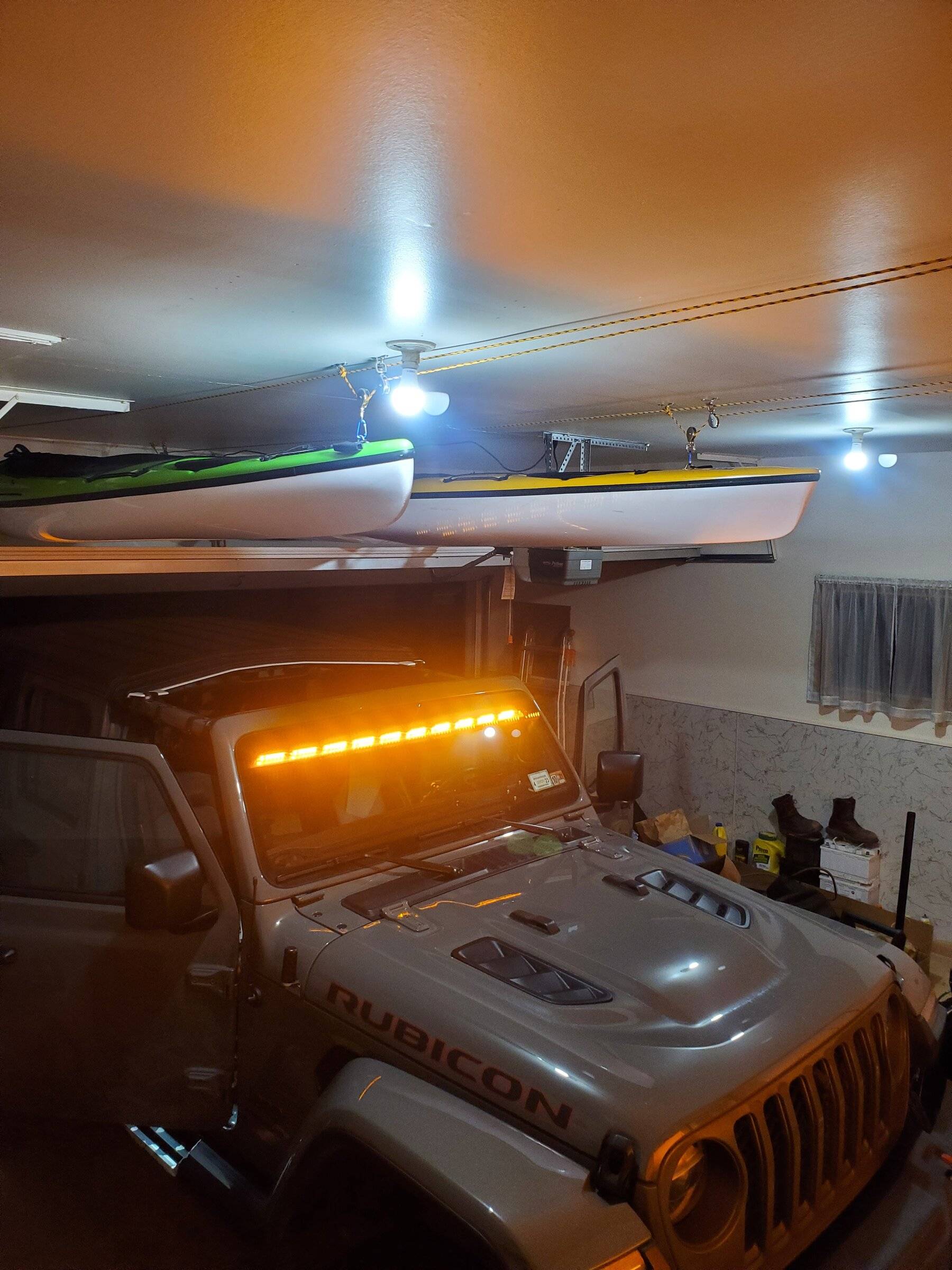
- Accessory mounts: Roof racks, light bars, and even hood latches can create wind noise if not installed tightly. Removing or adjusting them can help.
- Aftermarket fenders or bumpers: These sometimes change airflow, causing extra whistling or buffeting.
Also, some noises can echo inside the Wrangler’s empty cargo area. Adding a cargo mat or filling the space can reduce echo and make the ride feel quieter.
Why Jeep Doesn’t Make It Quieter
Jeep has improved the Wrangler’s noise control over the years, but the company’s main goal is off-road performance and customization. Many owners love the open-air feeling, even if it means more noise. If you want a quiet ride, a Wrangler may not be the best fit. But if you value freedom and adventure, the extra sound is a small price to pay.
For more details about Jeep’s design philosophy, you can read about the Wrangler’s history on the Jeep Wrangler Wikipedia page.

Frequently Asked Questions
Why Is My Jeep Wrangler Louder Than My Old Suv?
The Wrangler is built with rugged materials, less insulation, and is designed for off-road use. The boxy shape and big tires naturally make it louder than most regular SUVs.
Is It Safe To Drive My Wrangler If It’s Making Loud Noises?
If the noise is new or unusual, get it checked by a mechanic. Regular wind and tire noise are normal, but grinding, screeching, or rattling may signal a problem.
Will Changing To A Hardtop Make A Big Difference?
Yes, switching from a soft top to a hardtop can reduce wind and road noise by 2-4 decibels. Adding roof insulation or a headliner will help even more.
Do Aftermarket Exhausts Always Make The Jeep Louder?
Most aftermarket exhausts are designed for more power and a deeper sound, which usually means more volume. If you want a quieter ride, stick with the factory exhaust.
Can I Make My Wrangler As Quiet As A Normal Suv?
It’s hard to make a Wrangler as quiet as a modern crossover, but you can reduce noise by sealing gaps, adding insulation, and using quieter tires. The Wrangler will always have some extra sound because of its unique design.
Owning a Jeep Wrangler means enjoying a rugged, adventurous ride—even if it’s a little louder than average. With the right adjustments, you can keep the fun and cut down the noise to a level that fits your lifestyle.