Spotting a coolant leak in your Jeep Wrangler can be frustrating. You might notice puddles under your vehicle, a sweet smell, or your temperature gauge rising.
Ignoring coolant leaks can lead to expensive engine damage, overheating, or even total engine failure. Understanding the causes and knowing what to look for can help you fix the problem before it gets worse.
This article explains the main reasons your Jeep Wrangler leaks coolant, shows how to find the source, and gives practical advice for repair.
Common Reasons For Coolant Leaks In Jeep Wrangler
Coolant leaks can happen for many reasons. Some are simple, while others may require a mechanic. Here are the most common causes:
- Radiator Damage: The radiator is key for cooling your engine. Over time, it may develop cracks or holes. Road debris and corrosion are frequent culprits. According to the National Highway Traffic Safety Administration, radiator leaks account for about 25% of cooling system failures.
- Faulty Hoses: The coolant hoses carry fluid between the radiator, engine, and heater core. Old hoses can split, crack, or detach from fittings.
- Water Pump Failure: The water pump pushes coolant through the engine. If its seals wear out, coolant leaks appear near the front of your Jeep.
- Loose or Damaged Clamps: Hose clamps keep hoses in place. If clamps loosen or rust, coolant will escape at the connection points.
- Blown Head Gasket: This is less common but more serious. A blown gasket lets coolant leak into the combustion chamber or outside the engine. Symptoms include white smoke from the exhaust and milky oil.
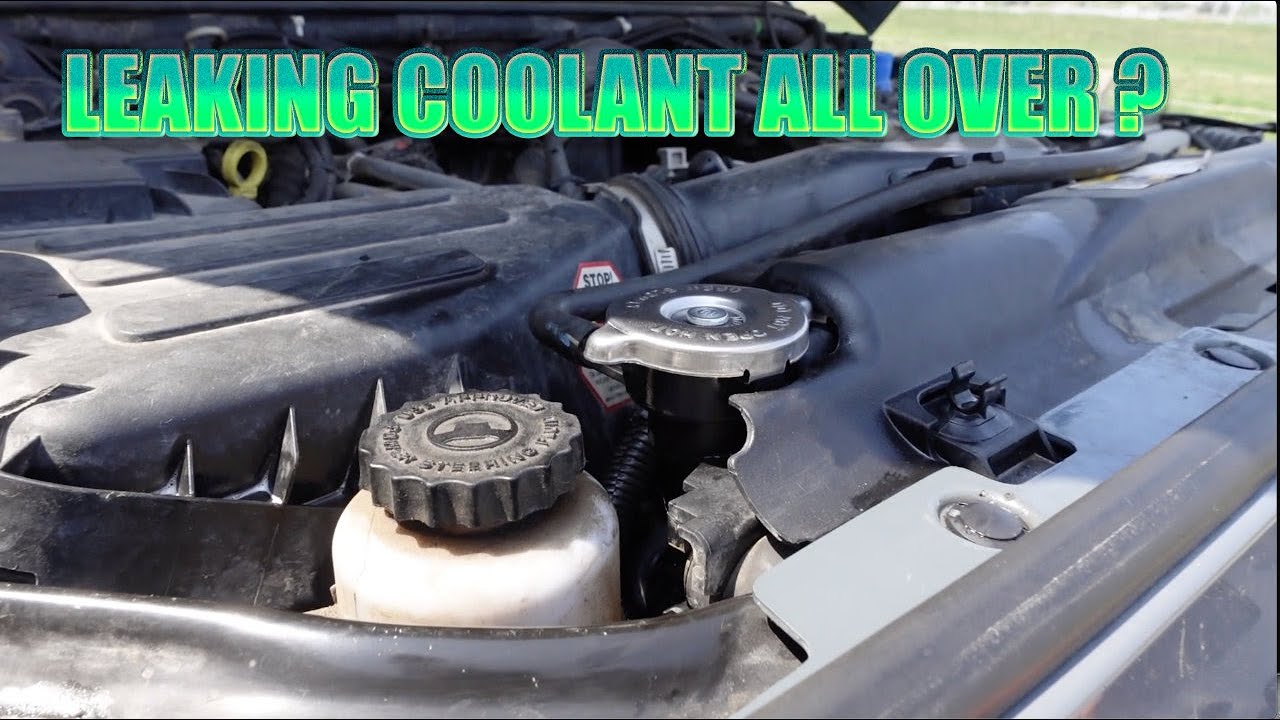
- Coolant Reservoir Issues: The plastic reservoir can crack or its cap may fail, causing coolant to spill out.
- Heater Core Leaks: If you notice wet carpets inside your Jeep or smell coolant in the cabin, your heater core might be leaking.
How To Find The Source Of The Leak
Finding a coolant leak early can prevent bigger problems. Here’s how you can check for leaks:
- Visual Inspection: Look under the Jeep for colored puddles (usually green, orange, or pink). Check hoses, radiator, and connections for wet spots.
- Pressure Test: Mechanics use pressure testers to force coolant out of weak spots. This test can help locate small leaks.
- Check Coolant Level: If your coolant drops quickly, you likely have a leak. Always check levels when the engine is cool.
- Inspect Engine Bay: Sometimes leaks are hidden. Use a flashlight to check under hoses and around the radiator.
Below is a comparison of symptoms and locations for common leaks:
| Leak Source | Common Location | Typical Symptom |
|---|---|---|
| Radiator | Front under hood | Puddle under front bumper |
| Hoses | Engine bay | Wet hoses, colored fluid |
| Water Pump | Front of engine | Fluid under engine |
| Heater Core | Cabin floor | Wet carpet, sweet smell |
Repair Options: Diy Or Mechanic?
Some coolant leaks can be fixed at home, while others need professional help. Here’s what you should consider:
- DIY Repairs: Replacing hoses or tightening clamps is simple. Make sure to use the correct coolant type for your Wrangler (refer to your owner’s manual).
- Mechanic Repairs: If you suspect a radiator crack, water pump failure, or head gasket issue, visit a mechanic. These repairs require special tools and experience.
- Costs: Replacing a hose may cost $10–$40 for parts, while a new radiator can run $200–$600. Head gasket repairs are expensive, often $1,000 or more.
Here’s a quick comparison of repair difficulty and cost:
| Repair Type | DIY Difficulty | Typical Cost |
|---|---|---|
| Hose Replacement | Easy | $10–$40 |
| Clamp Tightening | Very Easy | $0–$10 |
| Radiator Replacement | Moderate | $200–$600 |
| Head Gasket | Hard | $1,000+ |
Preventing Future Coolant Leaks
Stopping leaks before they start can save you money and stress. Here’s how to keep your Jeep Wrangler’s cooling system healthy:
- Check Coolant Level Regularly: Low coolant is often the first sign of trouble.
- Inspect Hoses and Clamps: Look for cracks, bulges, or loose clamps every oil change.
- Flush Coolant System: Replace coolant every 2 years or 30,000 miles. Old coolant loses its protective ability.
- Use the Correct Coolant: Mixing types can cause corrosion or leaks. Jeep usually recommends HOAT (Hybrid Organic Acid Technology) coolant.
- Watch for Overheating: If your Jeep overheats, stop driving and check for leaks right away.
One common mistake is ignoring small leaks. Even minor drips can quickly become major problems.
Another is topping off with water instead of coolant—water alone doesn’t protect against corrosion or freezing.

Real-world Example
A Jeep Wrangler owner noticed a green puddle under their vehicle after parking overnight. After checking the hoses and radiator, they found a small crack in the radiator’s plastic tank.
Replacing the radiator solved the leak, and the owner avoided engine overheating.
This example shows how a simple inspection can catch problems early.
Frequently Asked Questions