If your Jeep is making a squeaking noise, it can be annoying and worrying. You may wonder if it is safe to drive or if something serious is wrong.
Squeaks often mean a small problem, but sometimes they signal bigger issues. Understanding why your Jeep squeaks can help you fix it faster, avoid expensive repairs, and feel confident on the road.
Common Causes Of Jeep Squeaking
Jeep vehicles are tough, but they are not immune to squeaks. Some reasons are simple, while others need more attention.
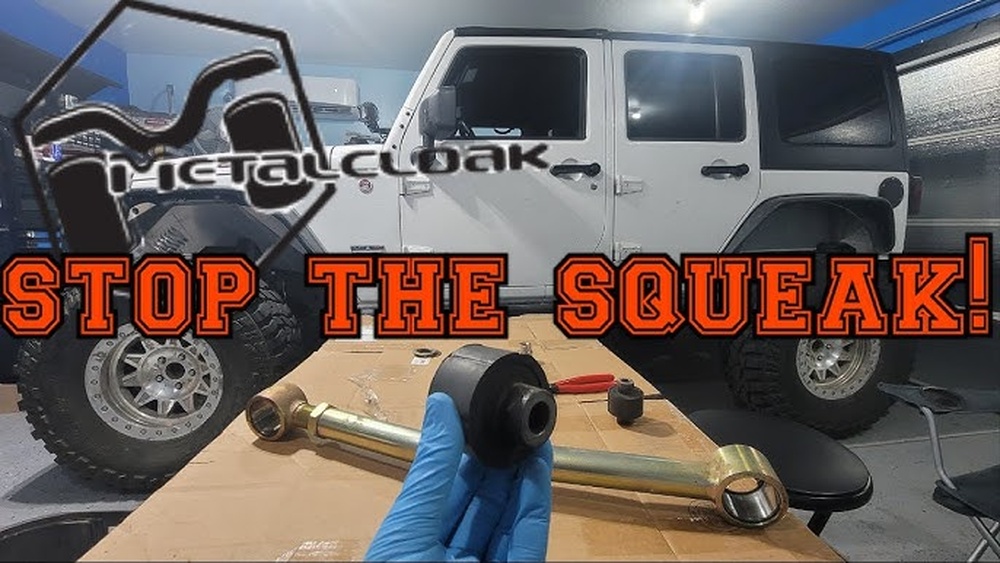
1. Worn Suspension Bushings
Suspension bushings cushion metal parts and absorb shocks. Over time, they dry out or crack. When this happens, the metal starts rubbing, making a squeaking sound. This is common in older Jeeps or those used off-road.
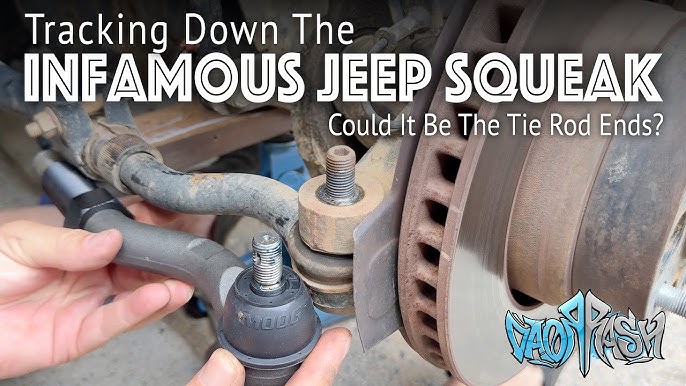
2. Dry Or Faulty Ball Joints
Ball joints connect your wheels to the suspension. If they lose lubrication, they squeak when you turn or drive over bumps. Ignoring this can lead to poor steering or even failure.
3. Brake Issues
Brakes are a frequent source of squeaks. If your brake pads are worn, they rub against the rotor, making noise. Sometimes, dust or debris gets trapped, causing a squeak even if the pads are fine.
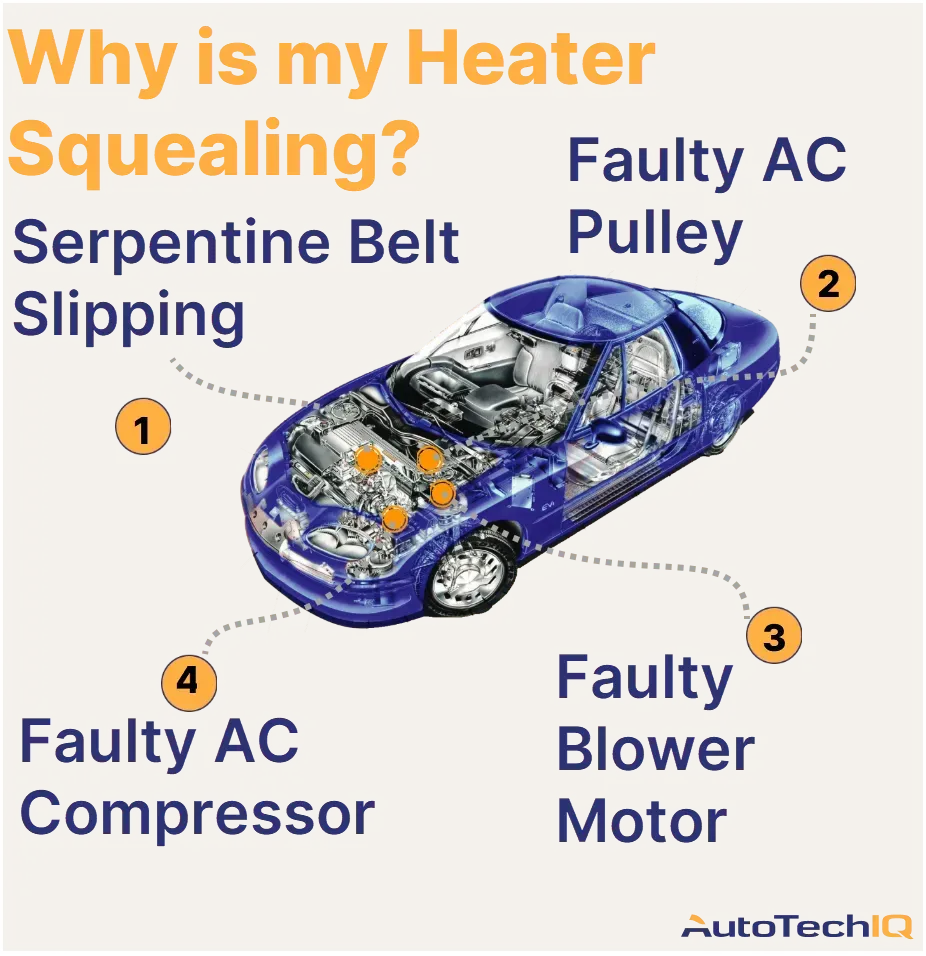
4. Bad Serpentine Belt
The serpentine belt powers many engine parts. If it cracks or loosens, it squeaks—especially when starting the engine or turning on AC.
5. Rusty Or Dry Door Hinges
Jeep doors are designed for easy removal. This means the hinges are exposed to air and water.
If they dry out or rust, they squeak when opening or closing.
6. Loose Or Damaged Suspension Components
Shocks, struts, and sway bars can loosen over time. When they move out of place, they squeak, especially during turns or bumpy rides.
How To Diagnose Jeep Squeaks
Finding the exact cause saves time and money. Here’s a simple way to check:
- Listen for the squeak: Does it happen when you drive, brake, turn, or open doors?
- Check the location: Is the noise coming from the wheels, engine, or inside the cabin?
- Inspect visibly: Look for worn rubber parts, rusty metal, or loose bolts.
If unsure, ask a mechanic for help. Some noises need special tools to diagnose.
Jeep Squeak Examples
Here are some real situations to show how squeaks happen:
- When driving over speed bumps, you hear a squeak from the front. This usually points to worn suspension bushings.
- Turning the steering wheel produces a high-pitched squeak. This is often due to dry ball joints.
- Squeak when braking at low speed. Most likely, the brake pads need attention.
Data Table: Common Jeep Squeak Locations
Here’s a quick guide to help you spot where the squeak might be coming from:
| Location | Possible Cause | Typical Sound |
|---|---|---|
| Front Wheels | Ball Joints, Bushings | High-pitched squeak |
| Brakes | Brake Pads, Rotors | Sharp squeal |
| Doors | Hinges | Metallic squeak |
| Engine Bay | Serpentine Belt | Continuous squeak |

Fixing Jeep Squeaks
Most squeaks are fixable with basic tools and some patience. Here’s what you can do:
- Lubricate moving parts: Spray silicone or lithium grease on bushings, joints, and hinges.
- Replace worn parts: If bushings or ball joints are cracked, swap them for new ones.
- Clean brakes: Remove dust and debris from brake pads and rotors.
- Tighten bolts: Check and tighten suspension and steering bolts.
Data Table: Cost Estimates For Common Repairs
Knowing repair costs helps you plan. Here are average prices for common squeak fixes:
| Repair Type | DIY Cost | Shop Cost |
|---|---|---|
| Lubricate Hinges | $10–$20 | $30–$50 |
| Replace Bushings | $40–$80 | $100–$200 |
| Change Brake Pads | $50–$100 | $150–$300 |
| Replace Belt | $30–$60 | $80–$120 |
Preventing Jeep Squeaks
Prevention is better than cure. Keep your Jeep quiet with these tips:
- Regular lubrication: Every 6 months, lubricate hinges, bushings, and joints.
- Inspect brakes: Check brake pads every 12,000 miles.
- Wash undercarriage: After off-roading, clean mud and dirt from suspension parts.
- Replace worn parts early: Don’t wait until parts fail.
Squeak Myths And Non-obvious Insights
Many people believe squeaks are only a nuisance. But sometimes, a squeak is the first sign of a dangerous failure. Ignoring a squeak could mean losing steering control if a ball joint breaks. Another hidden fact: some aftermarket bushings are made from harder materials. They last longer but can squeak more, even when new.
If you drive through deep water or mud, squeaks can start suddenly. Water washes away grease and makes parts dry faster.
Off-roaders often face this problem and should lubricate parts more often.
Data Table: Jeep Models And Squeak Frequency
Different Jeep models have unique issues. Here’s a quick comparison:
| Model | Common Squeak Area | Frequency (per year) |
|---|---|---|
| Wrangler | Suspension, Door Hinges | 2–3 times |
| Grand Cherokee | Brakes | 1–2 times |
| Compass | Belt, Suspension | 1–2 times |
| Renegade | Ball Joints | 1 time |
When To See A Mechanic
If you hear a squeak that gets louder, or if you feel vibration, don’t wait. Some problems, like failing ball joints or brakes, are safety risks.
If basic fixes don’t help, or if you can’t find the cause, visit a professional.
An experienced mechanic can spot hidden issues and prevent accidents.
For more Jeep maintenance information, you can check Jeep’s official care guide.
Your Jeep is built for adventure, but keeping it squeak-free makes every trip better. With the right maintenance, you can enjoy a quiet, safe ride.
Frequently Asked Questions
Why Does My Jeep Squeak Only When Turning?
A squeak during turns usually means dry ball joints or worn bushings in the steering or suspension. Lubricating or replacing these parts can fix the noise.
Can Driving With A Squeaking Jeep Damage It?
Yes, ignoring a squeak can lead to bigger problems. For example, a failing ball joint can cause loss of control, and worn brakes can reduce safety.
Is It Safe To Lubricate Jeep Parts Myself?
Most Jeep owners can safely lubricate hinges, bushings, and joints with spray grease. Avoid spraying near brake pads or electrical parts.
How Often Should I Check For Squeaks?
Inspect for squeaks every oil change, or sooner if you drive off-road. Early checks help catch problems before they get serious.
Do Squeaks Mean My Jeep Is Old?
Not always. Even new Jeeps can squeak if driven in harsh conditions.
Regular maintenance is the key to a quiet Jeep, no matter its age.