Why Is My Jeep So Loud?
If you drive a Jeep, you might notice it’s noisier than most other vehicles. This loudness can be exciting for some, but worrying for others.
Many Jeep owners wonder, “Why is my Jeep so loud? ” Is it normal, or is something wrong?
Understanding the reasons behind your Jeep’s noise helps you enjoy the ride and spot problems early.
Common Reasons Your Jeep Is Loud
Jeep vehicles have a unique design and purpose. They are made for adventure, off-road driving, and tough conditions. Because of this, they are often louder than regular cars. Here are the main reasons:
- Open Design: Many Jeeps, like the Wrangler, have soft tops, removable doors, and less insulation. This lets more road and wind noise inside.
- Aggressive Tires: Off-road tires have deep treads for grip, but they create more tire noise on pavement.
- Boxy Shape: The shape of most Jeeps creates more wind resistance. This leads to extra wind noise, especially at high speeds.
- Exposed Undercarriage: With higher ground clearance, more parts are exposed to the air and road, adding to the overall noise.
Mechanical Issues That Make Your Jeep Louder
Not all Jeep noises are normal. Sometimes, loud sounds signal a mechanical problem. Here’s what to check:
Exhaust System Leaks
A leaking exhaust is a common cause of loud noise. If your Jeep suddenly gets much louder, inspect the exhaust pipes and muffler for holes or cracks. Loud rumbling or rattling from under the Jeep often points to this issue.
Worn Suspension Parts
Bad shocks, struts, or bushings make the Jeep creak and bang more. Off-roading puts extra stress on these parts, so regular checks are important.
Engine Problems
Ticking, knocking, or grinding from the engine area can mean trouble. Low oil, worn parts, or a failing belt are possible causes. Engine noises should never be ignored.
Loose Or Broken Heat Shields
Heat shields protect your Jeep from hot exhaust parts. If they come loose, you may hear rattling, especially when starting or stopping.
Table: Mechanical Noise Sources And Symptoms
| Source | Type of Noise | When It Happens |
|---|---|---|
| Exhaust Leak | Loud rumble, hissing | During acceleration |
| Suspension Wear | Clunk, creak | Over bumps, turns |
| Loose Heat Shield | Metallic rattle | Idle, low speeds |
| Engine Trouble | Tick, knock | At startup or always |

Modifications That Make Jeeps Louder
Many Jeep owners love to customize their vehicles. Some modifications can make your Jeep even noisier:
- Lift kits: Raising your Jeep often means bigger tires, which are noisier.
- Aftermarket exhausts: These can make the engine sound deeper and louder.
- Removal of soundproofing: Some owners remove carpets and liners for easy cleaning, which increases cabin noise.
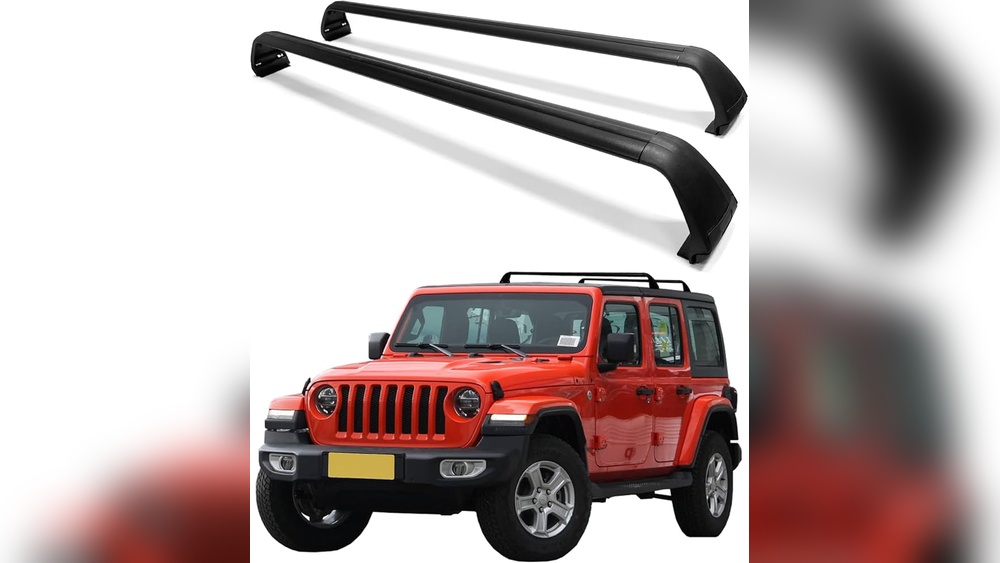
Non-obvious insight: Adding a roof rack or light bar increases wind noise, even if you don’t use them every day. The shape of these add-ons disrupts airflow, making your Jeep sound louder at highway speeds.
Comparing Jeep Models: Which Is Loudest?
Some Jeeps are louder than others, even without modifications. Here’s a quick look at how different models compare:
| Model | Average Cabin Noise (dB at 65 mph) | Noise Level |
|---|---|---|
| Wrangler (Soft Top) | 73-75 | Very loud |
| Wrangler (Hard Top) | 70-72 | Loud |
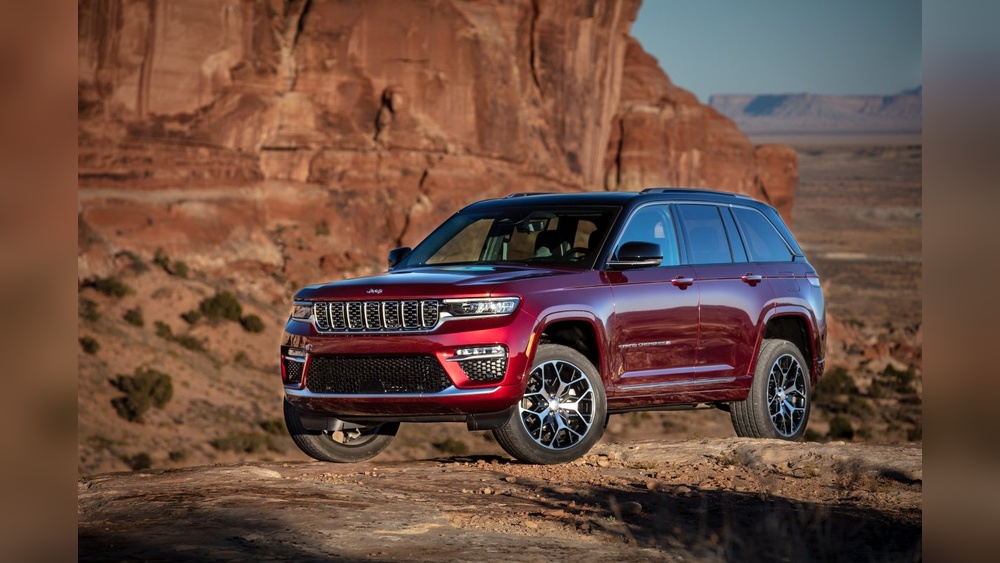
| Grand Cherokee | 67-69 | Moderate |
| Renegade | 66-68 | Moderate |
Example: The Wrangler with a soft top is one of the loudest SUVs on the market. If you switch to a hard top, you might notice a 3 dB drop in cabin noise, which feels like about half as loud to the human ear.
Is It Normal For A Jeep To Be This Loud?
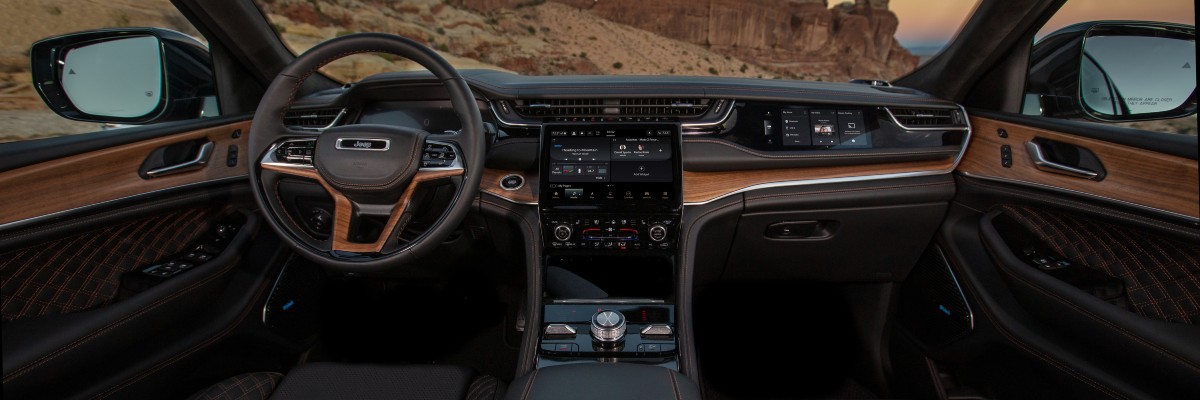
For most Jeep models, especially the Wrangler, higher noise levels are normal. Jeep’s off-road focus means less sound insulation and a rugged design. However, sudden changes in noise or new, strange sounds should be checked out.
How To Make Your Jeep Quieter
If you want a quieter ride, here are some practical steps:
- Switch to All-Terrain Tires: These have less aggressive tread and make less noise on the road.
- Upgrade Your Top: A hard top or aftermarket insulated top blocks more sound.
- Add Sound Deadening Mats: Products like Dynamat help reduce vibration and road noise.
- Check Door Seals: Replace worn rubber seals to block wind noise.
- Keep Windows Up: Even small openings let in a lot of noise at speed.
Non-obvious tip: Adding soundproofing to the floor under the rear seats and cargo area can give better results than focusing only on the doors or roof. These areas are often overlooked.
When To Worry About Jeep Noise
While some noise is normal, you should pay attention if you notice:
- Sudden, sharp changes in volume
- New rattles, bangs, or grinding sounds
- Noise that gets worse over time
- Sounds linked to steering, braking, or accelerating
If you’re unsure, have a mechanic check it. Catching problems early can prevent more expensive repairs.
The Jeep Experience: Loudness As A Feature
Part of the Jeep identity is the unfiltered driving experience. For many fans, the wind, engine, and tire sounds are part of the adventure. But you don’t have to live with uncomfortable noise—simple upgrades and regular maintenance can make your Jeep enjoyable on any road.
For more about automotive noise and vehicle design, you can read this resource from Wikipedia.

Frequently Asked Questions
Why Do Soft Top Jeeps Sound Louder Than Hard Tops?
Soft tops use fabric that lets in more wind and road noise. Hard tops have solid panels and some insulation, blocking more sound.
Can Bigger Tires Really Make My Jeep Louder?
Yes. Larger, more aggressive tires create more road noise, especially on highways. The tread pattern is a major factor.
Is It Safe To Drive With A Noisy Exhaust?
A noisy exhaust can be a sign of a leak, which may let harmful gases enter the cabin. It’s best to have it checked as soon as possible.
Will Adding Sound Deadening Mats Help A Lot?
Yes, especially in the floor and cargo areas. They can reduce noise by several decibels, making conversations easier inside the Jeep.
How Do I Know If My Jeep’s Noise Is Normal Or A Sign Of Trouble?
If the noise is steady and linked to the Jeep’s design (wind, tires), it’s likely normal. Sudden, new, or sharp noises often mean something needs repair.