If you notice your Jeep smoking, it can be worrying and confusing. Smoke coming from your vehicle often means something is wrong.
Understanding the reasons, types of smoke, and what to do next can help you avoid expensive repairs. Whether you drive a Jeep Wrangler, Grand Cherokee, or any other model, this guide will help you quickly spot the causes and take action.
Common Causes Of Jeep Smoking
There are several reasons why your Jeep may be smoking. Each cause produces different symptoms, and some are more serious than others.
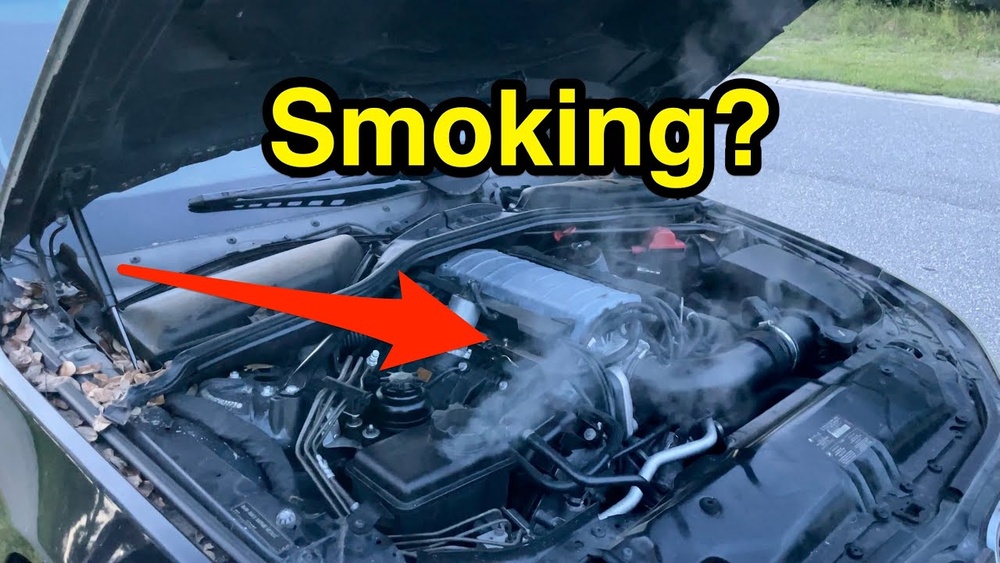
- Oil Leaks: When oil drips onto hot engine parts, it burns and creates smoke. This is common in older Jeeps or those with worn gaskets.
- Coolant Leaks: If coolant touches hot surfaces, it generates white smoke. This often signals a damaged radiator or head gasket.
- Electrical Problems: Burning wires or electrical shorts can create a distinct smell and smoke, often from under the dashboard.
- Exhaust Issues: Problems in the exhaust system, like a broken catalytic converter, can lead to smoke from the tailpipe.
- Overheating: When the engine gets too hot, it can cause various fluids to burn, resulting in smoke.
- Transmission Fluid Leaks: If transmission fluid spills and burns, it produces a bluish smoke.
- Faulty PCV Valve: A broken Positive Crankcase Ventilation valve can cause oil to enter the combustion chamber and smoke to appear.
It’s important to identify the type and location of the smoke, as this will guide your next steps.
Types Of Smoke And What They Mean
Smoke can be white, blue, or black, and each color indicates a different issue.
| Smoke Color | Possible Cause | Common Location |
|---|---|---|
| White | Coolant Leak, Head Gasket Failure | Engine Bay, Tailpipe |
| Blue | Burning Oil, PCV Valve Issue | Tailpipe |
| Black | Too Much Fuel, Faulty Injector | Tailpipe |
| Gray | Transmission Fluid Leak | Engine Bay |
For example, if you see white smoke coming from your tailpipe, it usually means a coolant leak or a blown head gasket. Blue smoke often signals burning oil, while black smoke shows excess fuel is burning.

Diagnosing The Problem
Before you panic, check these points:
- Where is the smoke coming from? The engine bay, tailpipe, or under the Jeep?
- What color is the smoke? White, blue, black, or gray?
- Is there a smell? Sweet (coolant), burning oil, or electrical?
Here’s a quick comparison table to help you decide how urgent the issue is:
| Smoke Source | Urgency | Action Needed |
|---|---|---|
| Engine Bay | High | Stop engine, inspect for leaks |
| Tailpipe | Medium | Check fluids, consult mechanic |
| Under Vehicle | Medium | Look for fluid leaks |
| Dashboard | High | Turn off engine, check wiring |
Most problems can be diagnosed by looking at the color, location, and smell of the smoke. Sometimes, a minor oil drip causes temporary smoke, especially after an oil change.
But if you see constant smoke, especially with a strong smell, the problem is likely serious.
What To Do If Your Jeep Is Smoking
Follow these steps to stay safe and protect your vehicle:
- Pull over safely: If you notice smoke while driving, stop as soon as you can.
- Turn off the engine: This prevents further damage.
- Let the engine cool: Never open the hood right away; hot parts can cause burns.
- Check for leaks: Look for oil, coolant, or other fluids under the Jeep.
- Call a mechanic: If you can’t identify the cause, get professional help.
Never ignore smoke. Even if it seems minor, it can lead to bigger problems like engine failure or fire.
Preventing Jeep Smoking Issues
Regular maintenance is key. Here are steps you can take:
- Check fluid levels monthly (oil, coolant, transmission fluid)
- Inspect hoses and gaskets for cracks or leaks
- Watch for warning lights on your dashboard
- Change oil and filters as recommended by Jeep
Many Jeep owners overlook the importance of checking the PCV valve. This small part controls air and oil flow in the engine. If it fails, it can cause oil to burn and smoke to appear. Also, don’t forget to inspect the exhaust system, as rust or damage can lead to smoking.
Costs And Statistics
According to the National Highway Traffic Safety Administration (NHTSA), engine-related repairs can cost between $500 and $3,000 depending on the issue. Ignoring smoke can increase costs by over 60% due to further damage. About 10% of all vehicle fires in the US start from engine problems, often signaled by early smoke.

When Is It Safe To Drive?
If you see only a little smoke after an oil change, and it disappears quickly, it’s usually safe to drive. But if smoke is continuous, especially with a strange smell, it’s best to stop driving and seek help.
Driving with a smoking engine can cause total engine failure or even a fire.