Many Jeep owners feel frustrated when their vehicle starts to overheat at idle. You might notice the temperature gauge rising, steam from under the hood, or even warning lights on your dashboard.
Overheating is never a good sign, especially when your Jeep is standing still. Let’s look at why this happens, how to spot the cause, and what you should do about it before lasting damage occurs.
What Happens When A Jeep Overheats At Idle?
When your Jeep is idling, the engine is running but the vehicle isn’t moving. Normally, the cooling system keeps the engine at a safe temperature by circulating coolant and using air flow from the fan and vehicle movement. If something isn’t working correctly, heat builds up. This can lead to blown head gaskets, warped cylinder heads, or even a seized engine if ignored.
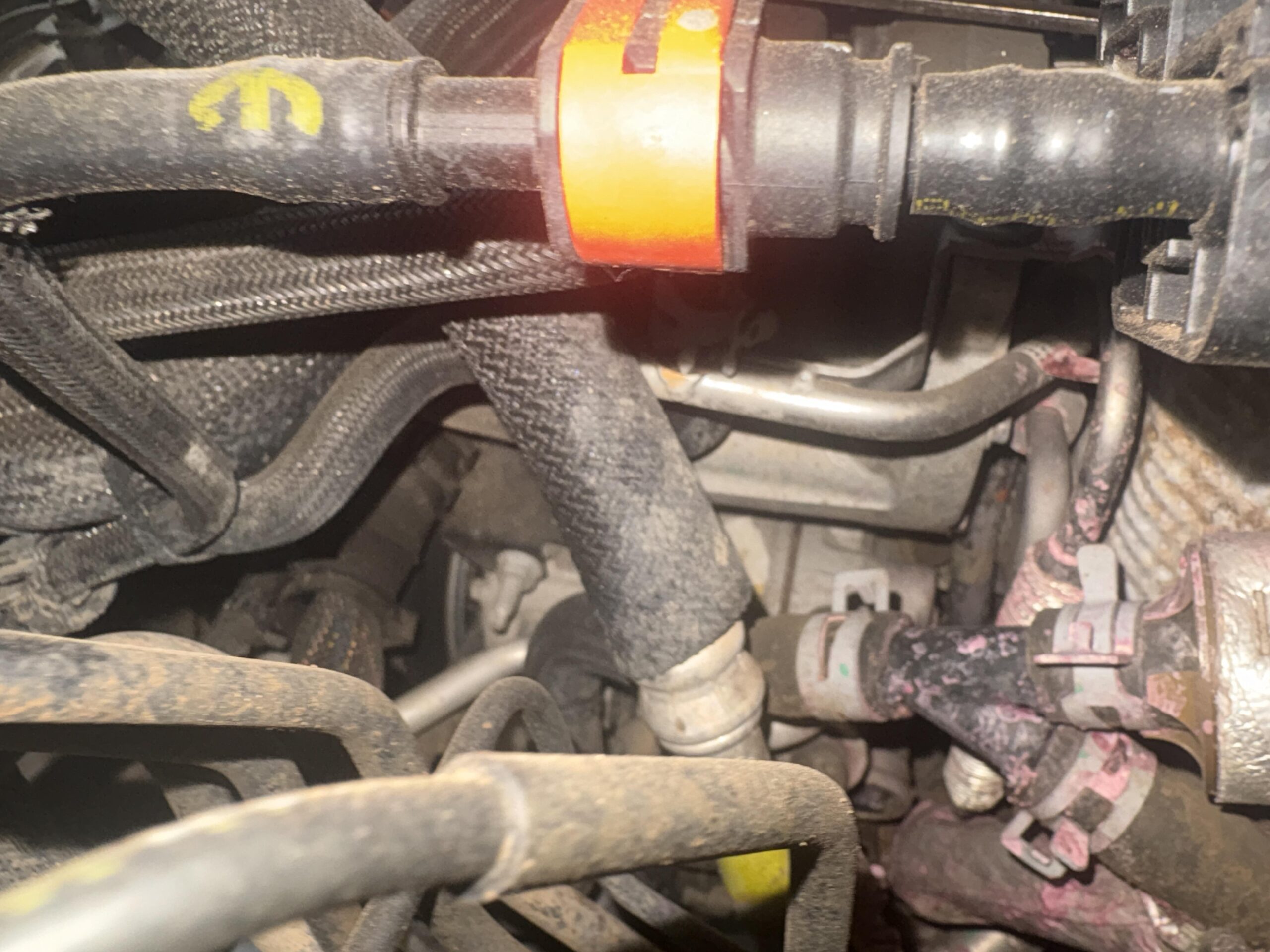
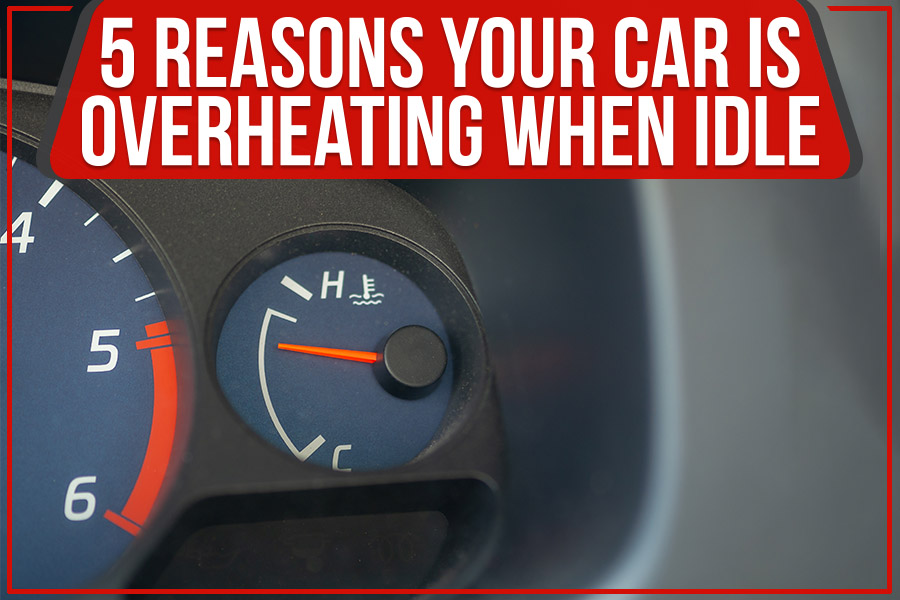
Most Jeeps are designed to operate between 195°F and 220°F. If the temperature goes above this at idle, especially on a hot day or in traffic, you likely have an issue.
Main Reasons Why Your Jeep Overheats At Idle
Several things can make your Jeep overheat when idling. Here are the most common causes:
1. Faulty Electric Fan Or Fan Clutch
At idle, your Jeep’s radiator fan is crucial. It pulls air through the radiator to cool the engine.
If the fan isn’t working (due to a failed electric motor or a bad clutch on older models), there’s not enough airflow.
2. Low Coolant Level
Low coolant means less fluid to carry heat away from the engine. Even a small leak can cause this, and it’s a top reason for overheating at idle.
3. Blocked Radiator
Debris, dirt, or corrosion can block the radiator’s thin passages. This reduces heat transfer.
A dirty or clogged radiator is a frequent problem in off-road Jeeps.
4. Thermostat Stuck Closed
The thermostat is a valve that opens and closes to control coolant flow. If it sticks closed, coolant can’t circulate, so the engine overheats quickly.
5. Bad Water Pump
The water pump pushes coolant through the system. If it’s failing, coolant moves slowly or not at all especially at low speeds.
6. Air In The Cooling System
Air pockets can stop coolant from flowing smoothly. This often happens after repairs or coolant changes if the system isn’t properly “burped. ”
7. Broken Or Loose Serpentine Belt
The belt drives the water pump and sometimes the fan. If it’s loose or broken, parts stop working and the engine heats up.
8. Coolant Sensor Problems
A faulty temperature sensor might give false readings, causing the fan not to turn on or the engine control module to miss a problem.
Here’s a quick comparison of how these causes affect your Jeep:
| Cause | Symptoms | How to Check |
|---|---|---|
| Fan Failure | Fan not spinning, overheating at idle | Visual check, listen for fan noise |
| Low Coolant | Coolant warning light, visible leak | Check reservoir and under Jeep |
| Blocked Radiator | High temp in traffic, normal at speed | Inspect radiator fins, look for dirt |
How To Diagnose Jeep Overheating At Idle
Finding the real cause takes a bit of detective work. Here are steps you can follow:
1. Let The Jeep Cool Down
Never open the radiator cap when the engine is hot. Wait until everything is cool.
2. Check Coolant Level And Condition
Look at the coolant reservoir. The level should be between “MIN” and “MAX.
” If low, add the correct coolant and check for leaks.
3. Inspect The Radiator Fan
With the engine running and A/C on, the fan should spin. If not, check fuses, relays, and wiring.
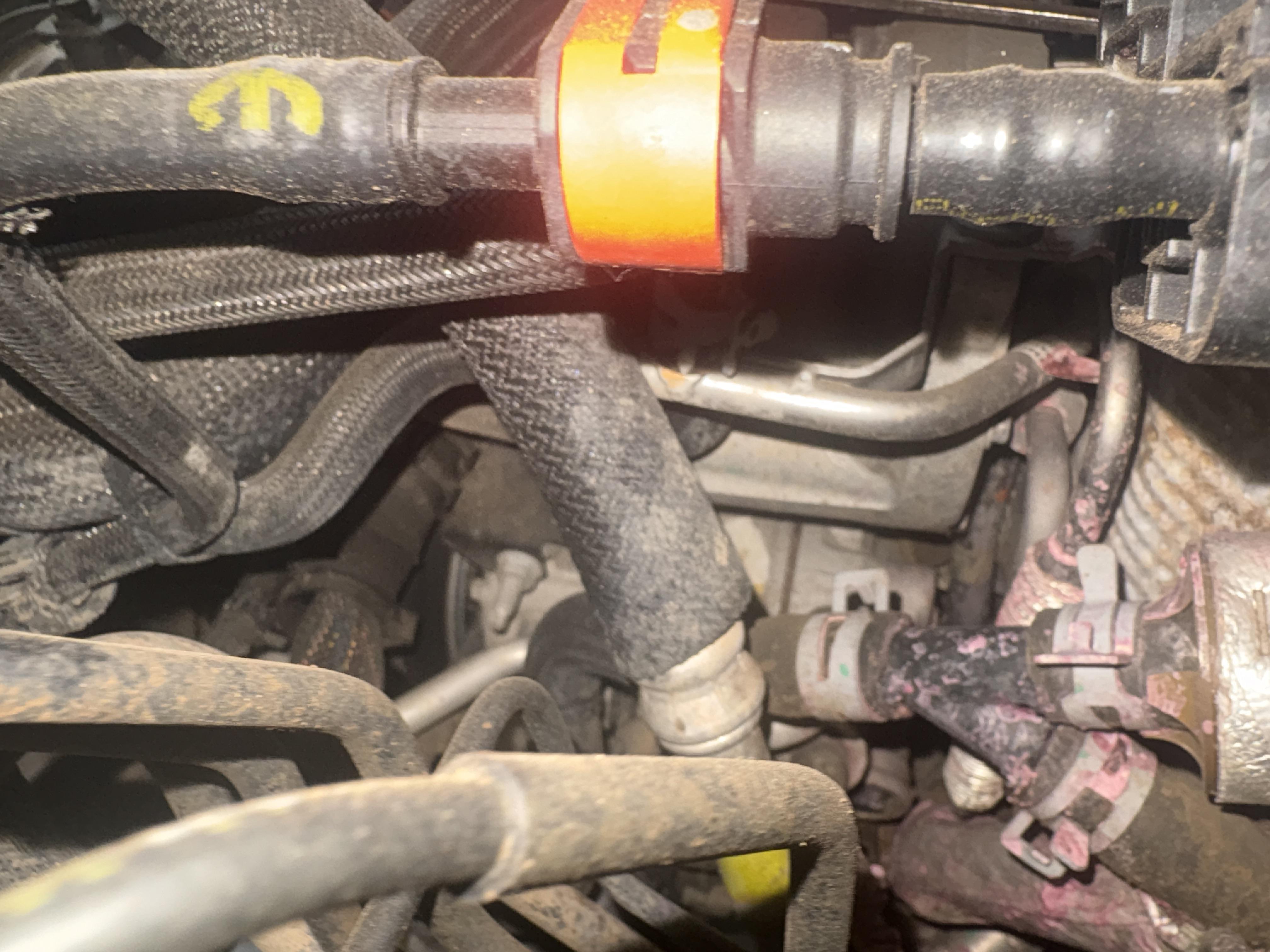
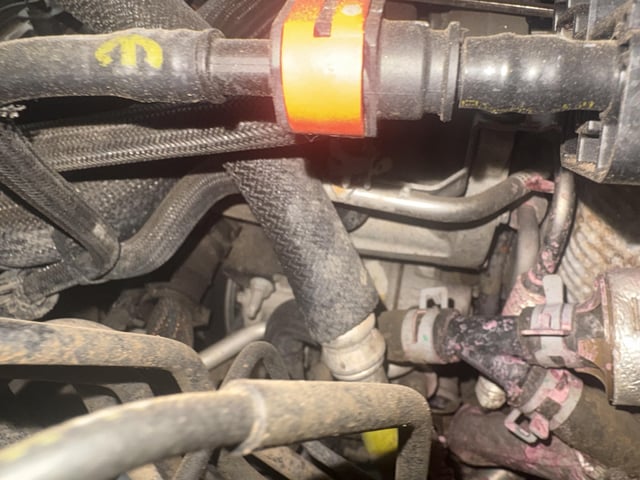
4. Examine The Radiator And Hoses
Look for blockages, bent fins, or leaks. Squeeze the hoses they should be firm, not soft or collapsed.
5. Test The Thermostat
If the upper radiator hose stays cool after the engine warms up, the thermostat might be stuck closed.
6. Check For Air Pockets
Listen for gurgling sounds, which could mean air is trapped. Bleed the system if needed.
This table shows common troubleshooting steps and their findings:
| Step | What to Look For | Possible Issue |
|---|---|---|
| Coolant Level | Low or dirty fluid | Leak, old coolant |
| Fan Operation | Fan not running at idle | Fan, relay, sensor issue |
| Radiator Condition | Clogged or blocked fins | Poor airflow, needs cleaning |
Fixing And Preventing Overheating At Idle
Once you find the cause, here’s what you can do:
- Replace a failed fan or fan clutch if it doesn’t spin at idle.
- Top off coolant and repair any leaks. Always use the right type for your Jeep.
- Flush the radiator if it’s clogged. Remove debris from the fins with gentle water pressure.
- Change the thermostat if it’s stuck closed. This is a low-cost fix.
- Replace the water pump if you see leaks or hear whining noises.
- Bleed the cooling system after repairs to remove air pockets.
- Check and tighten the serpentine belt if it’s loose or worn.
For prevention, change your coolant every 2-3 years or as your Jeep’s manual suggests. Keep an eye on the radiator and hoses, especially if you drive off-road.
One non-obvious tip: After driving in mud or water, clean your radiator. Mud and debris can block airflow and cause overheating weeks later.
Another overlooked detail: Never mix different types of coolant. This can cause gel-like clogs and reduce cooling efficiency.
When To Seek Professional Help
If you can’t find the issue, or the Jeep keeps overheating after basic checks, it’s time for a mechanic. Persistent overheating can quickly damage your engine.
Also, if you smell sweet, syrupy odors or see white smoke from the exhaust, you might have a blown head gasket a serious problem.
Frequently Asked Questions