If your Jeep refuses to shift properly, it can feel frustrating and even scary. The gearbox is one of the most important parts of your vehicle.
When shifting issues appear, they can make driving unsafe or even impossible. This article will help you understand why your Jeep might not be shifting, what causes these problems, and how to fix them.
Whether you drive a classic Wrangler or a modern Grand Cherokee, you’ll find clear explanations and real-world tips. You’ll also discover two detailed comparison tables to make technical details easier.
By the end, you’ll know how to spot issues, avoid costly mistakes, and get your Jeep back on the road.
Common Reasons A Jeep Won’t Shift
Jeep shifting problems can happen for many reasons. Some are simple, others are serious. Let’s break down the most frequent causes:
- Low Transmission Fluid
- Transmission fluid helps gears move smoothly. If fluid is low, your Jeep may struggle to shift. Check your fluid level and color. Dirty or burnt fluid can also cause trouble.
- Faulty Transmission Solenoid
- The transmission solenoid controls gear changes. If it fails, gears can stick or skip. This is common in automatic Jeeps.
- Clutch Problems (Manual Jeeps)
- If you drive a manual Jeep, a worn clutch can make shifting hard or impossible. Symptoms include grinding noises or a soft pedal.
- Electrical Issues
- Modern Jeeps rely on sensors and computers. A bad sensor or wiring problem can stop your Jeep from shifting. Error codes may appear on your dashboard.
- Transmission Control Module (TCM) Failure
- The TCM is like the brain for your transmission. If it fails, your Jeep may go into “limp mode” (only one gear) or not shift at all.
- Worn Gearbox Components
- Over time, gears and synchronizers wear out. Older Jeeps are more likely to face this issue.
- Broken Shift Linkage
- The shift linkage connects your gear lever to the transmission. If it’s broken or loose, the gear lever might move but the transmission won’t respond.
- Incorrect Transmission Fluid
- Using the wrong fluid type can cause shifting trouble. Always use the fluid recommended in your Jeep’s manual.
- Software Glitches
- Sometimes, shifting problems are caused by software bugs. A simple reset or update at the dealership can solve these.
- Mechanical Damage
- Internal damage (like a cracked gear or broken spring) can block shifting. This usually needs professional repair.
How To Diagnose Shifting Problems
Finding the exact cause saves time and money. Here’s a step-by-step approach:
- Check the Transmission Fluid
- Park on a level surface.
- Use the dipstick (if your Jeep has one).
- Look for low level, dirty fluid, or a burnt smell.
- Listen and Feel
- Notice any grinding, clunking, or delayed shifting.
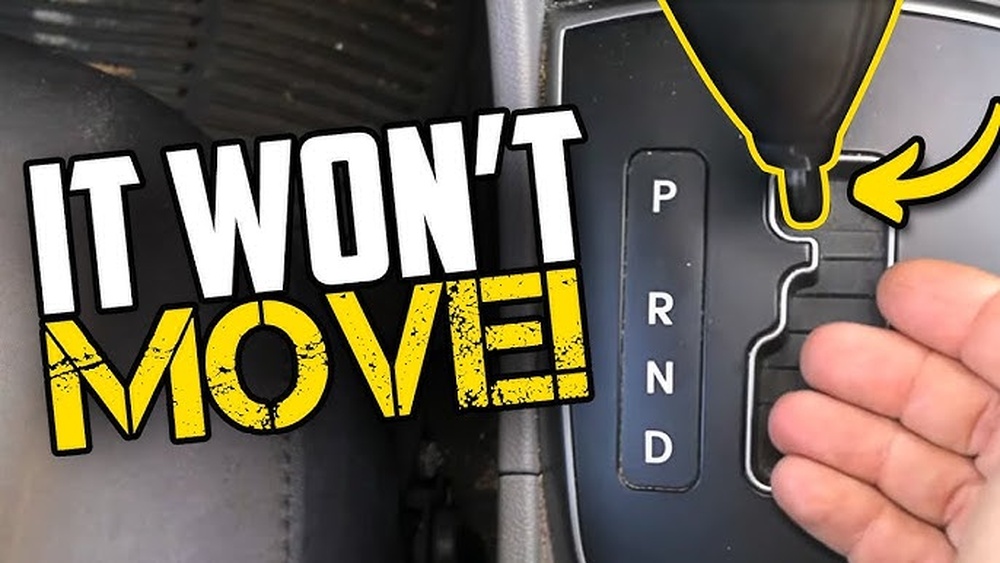
- Does the gear lever feel loose or hard to move?
- Scan for Error Codes
- Use an OBD-II scanner. Many auto parts stores offer free scans.
- Codes like P0700 (transmission control) or P0750 (solenoid) point to specific issues.
- Test the Clutch (Manual Jeeps)
- If your Jeep slips out of gear or the clutch pedal feels strange, the clutch may be failing.
- Inspect the Shift Linkage
- Look under the Jeep for disconnected rods or cables.
- Check Electrical Components
- Inspect wiring for damage.
- Look for blown fuses in the fuse box.
- Compare Symptoms
- Use the table below to link symptoms to likely causes:
| Symptom | Possible Cause | Recommended Action |
|---|---|---|
| Stuck in one gear | TCM failure, solenoid issue | Scan for codes, visit mechanic |
| Grinding noise | Worn clutch, gearbox damage | Inspect clutch, check transmission |
| No response from gear lever | Broken shift linkage | Repair or replace linkage |
| Delayed shifting | Low/dirty fluid, solenoid | Change fluid, test solenoid |
| Error codes on dash | Electrical issue, TCM | Check wiring, scan codes |
Jeep Models And Their Shifting Problems
Different Jeeps can face unique shifting issues. Here’s a comparison of popular models:
| Jeep Model | Common Shifting Issues | Years Most Affected |
|---|---|---|
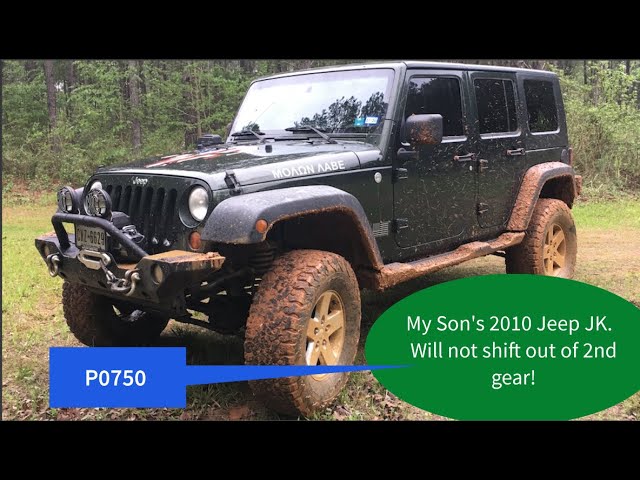
| Wrangler (JK) | Solenoid failure, clutch wear | 2007–2018 |
| Grand Cherokee (WK) | TCM glitches, fluid leaks | 2005–2010 |
| Liberty (KJ) | Shift linkage, low fluid | 2002–2007 |
| Compass | Software bugs, sensor faults | 2011–2016 |
| Patriot | Clutch problems (manual), solenoid (auto) | 2007–2017 |
Solutions For Jeep Shifting Problems
Once you know the cause, fixing it is possible. Here are practical solutions:
Transmission Fluid Issues
- Top up fluid if it’s low.
- If fluid is dirty, flush and replace it.
- Always use Jeep-approved fluid.
Solenoid And Tcm Problems
- Solenoids are often inside the transmission. Replacing them needs special tools.
- TCM issues may need a software update or a new module. A dealership can help.
Clutch Replacement
- A worn clutch must be replaced. This can cost $500–$1,200 depending on Jeep model.
- Avoid driving with a bad clutch—it can damage other parts.
Shift Linkage Repair
- If linkage is broken, replace or tighten it.
- Sometimes, bushings wear out. These are cheap and easy to fix.
Electrical Fixes
- Repair broken wires or connectors.
- Replace faulty sensors.
- Reset the system by disconnecting the battery for 10 minutes.
Gearbox Repairs
- If internal gears are damaged, a rebuild or replacement is needed.
- This is expensive ($2,000–$4,000), but sometimes cheaper than buying a new Jeep.
Software Updates
- Ask your dealer about transmission software updates.
- Many modern Jeeps can get updates that fix shifting problems.
Preventing Jeep Shifting Issues
Prevention is easier than repair. Here’s how to avoid shifting trouble:
- Regular Fluid Checks
- Check fluid every 6 months.
- Change fluid every 30,000 miles (or as recommended).
- Gentle Driving
- Avoid aggressive shifting or sudden stops.
- Don’t overload your Jeep.
- Fix Leaks Fast
- Fluid leaks can lead to big problems. Repair them quickly.
- Keep Electrical System Healthy
- Protect wires from moisture and damage.
- Replace old sensors before they fail.
- Professional Inspections
- Get your transmission checked every year.
- Early fixes save money.
Mistakes To Avoid When Fixing Jeep Shifting Problems
Many Jeep owners make simple mistakes that can make shifting problems worse. Here are some to watch out for:
- Ignoring Early Symptoms
- Small issues get bigger over time. Fix problems early.
- Using Wrong Fluid
- Always use the fluid listed in your Jeep’s manual. Wrong fluid can ruin the transmission.
- DIY Without Knowledge
- Some repairs need special tools. If unsure, get help from a mechanic.
- Skipping Software Updates
- Updates can prevent future issues. Don’t skip them.
- Overlooking Electrical Problems
- Many shifting problems come from sensors or wiring, not just mechanical parts.

Real-world Example: Solving A Jeep Grand Cherokee Shift Problem
A Jeep Grand Cherokee owner noticed their Jeep was stuck in second gear. The dashboard showed a “Service Transmission” light.
The owner checked the fluid—it was clean and full. Next, they scanned for error codes and found P0700 and P0750.
They took the Jeep to a mechanic. The mechanic found a bad transmission solenoid.
After replacing the solenoid and updating the TCM software, the Jeep shifted normally again. The repair cost was $450, much less than a full transmission rebuild.
This example shows why checking fluid, scanning for codes, and fixing the right part is important.
Jeep Transmission Types Compared
Jeep uses different transmission types in its vehicles. Here’s a quick comparison:
| Transmission Type | How It Shifts | Common Issues | Fix Difficulty |
|---|---|---|---|
| Automatic | Electronically controlled | Solenoid, TCM, fluid | Moderate |
| Manual | Driver-operated clutch | Clutch, linkage | Easy to moderate |
| CVT (Compass, Patriot) | Belt-driven, no gears | Fluid, software | Hard |
| Dual-clutch | Automated manual | Software, clutch | Hard |
When To Call A Mechanic
Some shifting problems can be fixed at home, but others need a professional. Call a mechanic if:
- You hear loud grinding or see metal shavings in fluid.
- Your Jeep won’t shift at all.
- Error codes don’t clear after basic fixes.
- Gearbox needs rebuilding.
A skilled mechanic can diagnose problems faster and prevent expensive mistakes.