If your Jeep’s engine is misfiring, it can quickly turn a fun drive into a stressful one. The ride feels rough, you lose power, and sometimes the check engine light flashes.
Many Jeep owners wonder, “Why is my Jeep misfiring?
” The truth is, misfiring isn’t just a small problem—it can signal deeper issues that need attention. Understanding the reasons helps you fix the problem faster and avoid bigger, more expensive repairs.
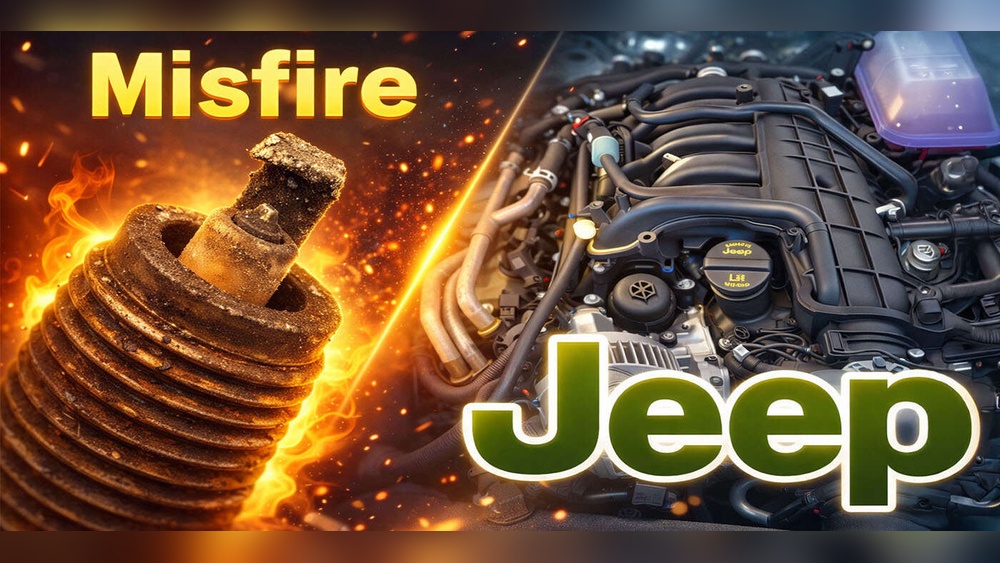
What Is Engine Misfiring?
An engine misfire happens when one or more cylinders in your Jeep’s engine fail to fire correctly. This means the fuel inside the cylinder doesn’t burn as it should, causing the engine to run unevenly. You might notice your Jeep shaking, hesitating, or losing power, especially when accelerating or idling.
Main Causes Of Jeep Misfiring
Several factors can cause your Jeep to misfire. Some are simple, while others need a mechanic’s help.
1. Faulty Spark Plugs
Spark plugs ignite the fuel in each cylinder. If they are worn or dirty, they can’t fire properly. Most experts recommend changing spark plugs every 30,000 to 60,000 miles, but cheap plugs may need replacement sooner.
2. Ignition Coil Problems
The ignition coil provides electricity to the spark plugs. If it fails, the spark plugs won’t fire. Jeeps with V6 or V8 engines have a separate coil for each cylinder, so one bad coil often means one cylinder misfires.
3. Clogged Fuel Injectors
Fuel injectors deliver fuel into the engine. Dirt, debris, or old fuel can clog injectors, stopping the right amount of fuel from reaching the cylinder. This is a common cause, especially in older Jeeps or those with high mileage.
4. Vacuum Leaks
A vacuum leak means air enters the engine where it shouldn’t. This upsets the air-fuel mixture, leading to misfires. Broken hoses or cracked intake manifolds often cause these leaks.
5. Bad Sensors
Modern Jeeps have many sensors. Two important ones are the oxygen sensor and mass airflow sensor. If these fail, the engine gets the wrong information and mixes fuel incorrectly, causing misfires.
6. Weak Fuel Pump
A failing fuel pump can’t supply enough fuel pressure. This leads to poor engine performance and can trigger misfiring, especially when accelerating or climbing hills.
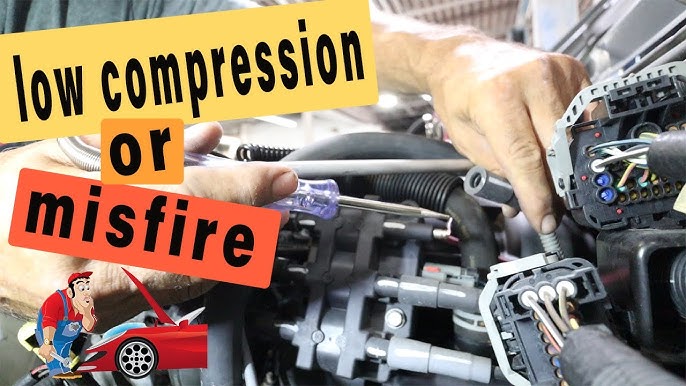
7. Compression Problems
Engines need good compression for proper combustion. Leaking valves, worn piston rings, or head gasket failure lower compression and cause misfires. This is more common in older Jeeps.
8. Faulty Wiring Or Connectors
Loose or corroded wiring and connectors can interrupt the signals sent to spark plugs or injectors, leading to random misfires.
Common Symptoms Of Misfiring In Jeeps
Recognizing the signs of misfiring helps you act quickly and avoid serious engine damage.
- Rough idle: Engine shakes or vibrates at stoplights.
- Loss of power: Hesitation when accelerating.
- Poor fuel economy: You visit the gas station more often.
- Check engine light: Often flashes during a misfire.
- Unusual smells: Like fuel or rotten eggs from the exhaust.
How Mechanics Diagnose A Jeep Misfire
A mechanic uses tools and experience to find the real cause. Here’s a quick overview:
| Diagnostic Tool | What It Checks | Accuracy |
|---|---|---|
| OBD-II Scanner | Error codes and affected cylinders | High |
| Compression Tester | Engine cylinder pressure | High |
| Fuel Pressure Gauge | Fuel pump performance | Medium |
| Visual Inspection | Spark plugs, wires, coils | Medium |
Diy Steps To Identify The Problem
If you have basic tools and some confidence, you can check a few things before going to the shop.
- Check spark plugs: Remove and inspect for wear, cracks, or soot.
- Inspect ignition coils: Swap coils between cylinders to see if the misfire moves.
- Look for vacuum leaks: Listen for hissing sounds or spray soapy water on hoses while the engine runs; bubbles mean a leak.
- Examine wiring: Wiggle wires and connectors to see if the engine stumbles.
- Scan for codes: Use an affordable OBD-II scanner to read trouble codes.
Jeep Models And Years Most Prone To Misfiring
Some Jeep engines are more likely to misfire due to age, design, or common part failures.
| Model | Common Years | Frequent Issues |
|---|---|---|
| Wrangler 3.8L V6 | 2007–2011 | Ignition coils, spark plugs |
| Cherokee 4.0L I6 | 1997–2001 | Fuel injectors, sensors |
| Grand Cherokee 4.7L V8 | 1999–2004 | Compression loss, wiring |
Costs Of Fixing A Misfire
The price of repairs depends on the cause. Here’s a quick comparison:
| Repair Type | Estimated Cost (USD) | Difficulty |
|---|---|---|
| Spark plug replacement | $60–$120 | Easy |
| Ignition coil replacement | $80–$200 | Moderate |
| Fuel injector cleaning/replacement | $100–$400 | Moderate |
| Vacuum leak repair | $80–$250 | Moderate |
| Sensor replacement | $70–$180 | Easy |
| Engine repair (compression) | $500–$1,500+ | Difficult |
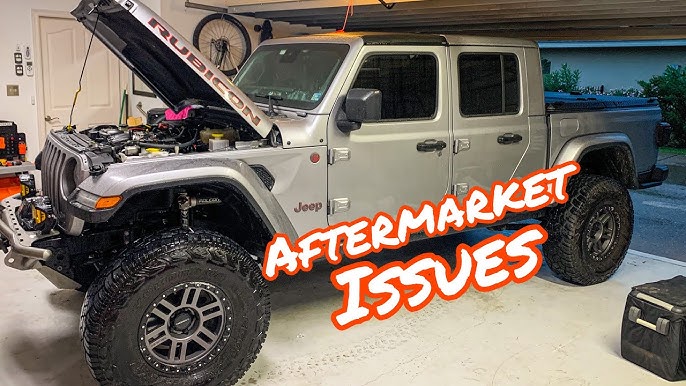
- Aftermarket parts: Cheap or non-original spark plugs and coils often don’t match Jeep’s engine needs. Stick with OEM parts for best results.
- ECU software glitches: Rare, but sometimes a software update from the dealer solves random misfires that have no clear cause.
When To See A Mechanic
If you’ve checked the basics and your Jeep still misfires, it’s time for expert help. Delaying repairs can cause catalytic converter damage or even engine failure. A flashing check engine light means stop driving and get help immediately.
Preventing Future Misfires
- Use quality fuel and change your oil on time.
- Replace spark plugs and coils as recommended.
- Clean fuel injectors every 30,000 miles.
- Check for software updates with your dealer.
- Listen for odd noises and fix leaks early.
For more details on engine maintenance, check out this resource from the American Automobile Association.
A misfiring Jeep doesn’t have to ruin your day—or your wallet. With quick action and proper care, you’ll keep your Jeep running smoothly for years.
Frequently Asked Questions
Why Does My Jeep Misfire Only When Cold?
A cold engine can show misfires if spark plugs or sensors are weak. Metal contracts when cold, making small leaks or weak parts more noticeable.
Is It Safe To Drive My Jeep With A Misfire?
No. Driving with a misfire can damage the catalytic converter and engine. Fix the problem as soon as possible.
Can Old Fuel Cause Misfiring?
Yes. Stale fuel loses its ability to ignite well and can clog injectors, leading to misfires.
How Can I Tell Which Cylinder Is Misfiring?
An OBD-II scanner will show a code like P0302, meaning cylinder 2 is misfiring. Some Jeeps also shake more on one side.
Will A Tune-up Fix Misfiring?
A tune-up often helps, especially if you replace spark plugs, coils, and filters. If the problem remains, further diagnosis is needed.