If you hear a rattling noise from your Jeep, it can be both worrying and annoying. Many drivers ignore these sounds, hoping they will go away.But in most cases, a rattling noise is a sign that something needs attention. Ignoring it can lead to more serious and costly problems.Understanding the possible causes is the first step to a safer, quieter ride.
Common Causes Of Rattling In Jeeps
Several parts of your Jeep can cause a rattling noise. Knowing where the sound comes from helps narrow down the problem. Here are the most frequent culprits:
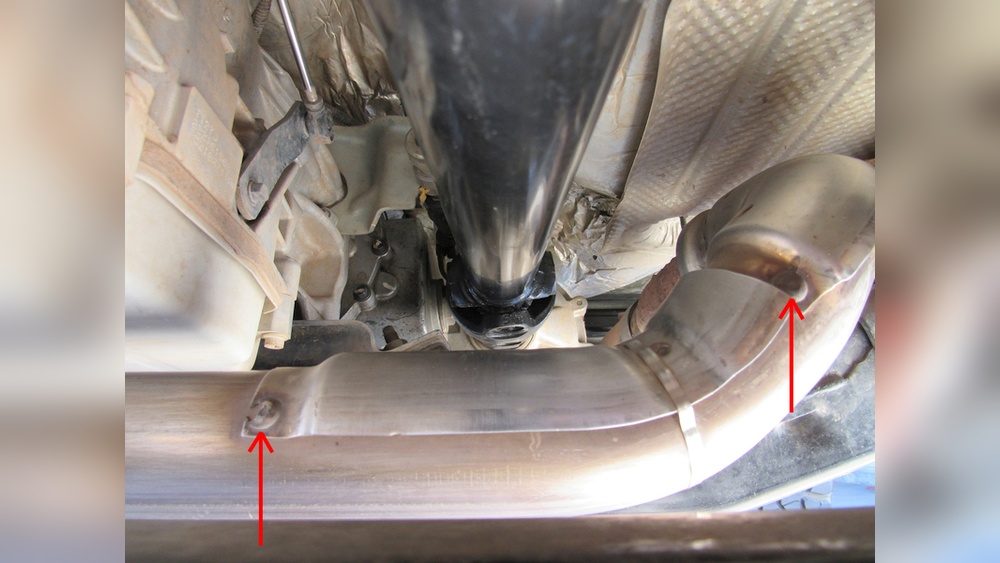
1. Loose Heat Shields
Heat shields protect parts of your Jeep from high temperatures. Over time, heat shields can rust, break, or come loose. When this happens, they may vibrate and make a metallic rattle, especially when idling or accelerating.
2. Exhaust System Issues
The exhaust system is a common source of rattles. Loose brackets, broken hangers, or a failing catalytic converter can all produce noise. Listen for rattling under the car or near the rear — it often gets louder when you go over bumps.
3. Suspension Problems
Worn-out suspension parts, like sway bar links or bushings, can create a clattering or rattling noise. This is usually more noticeable when driving on rough roads or turning.
4. Engine Components
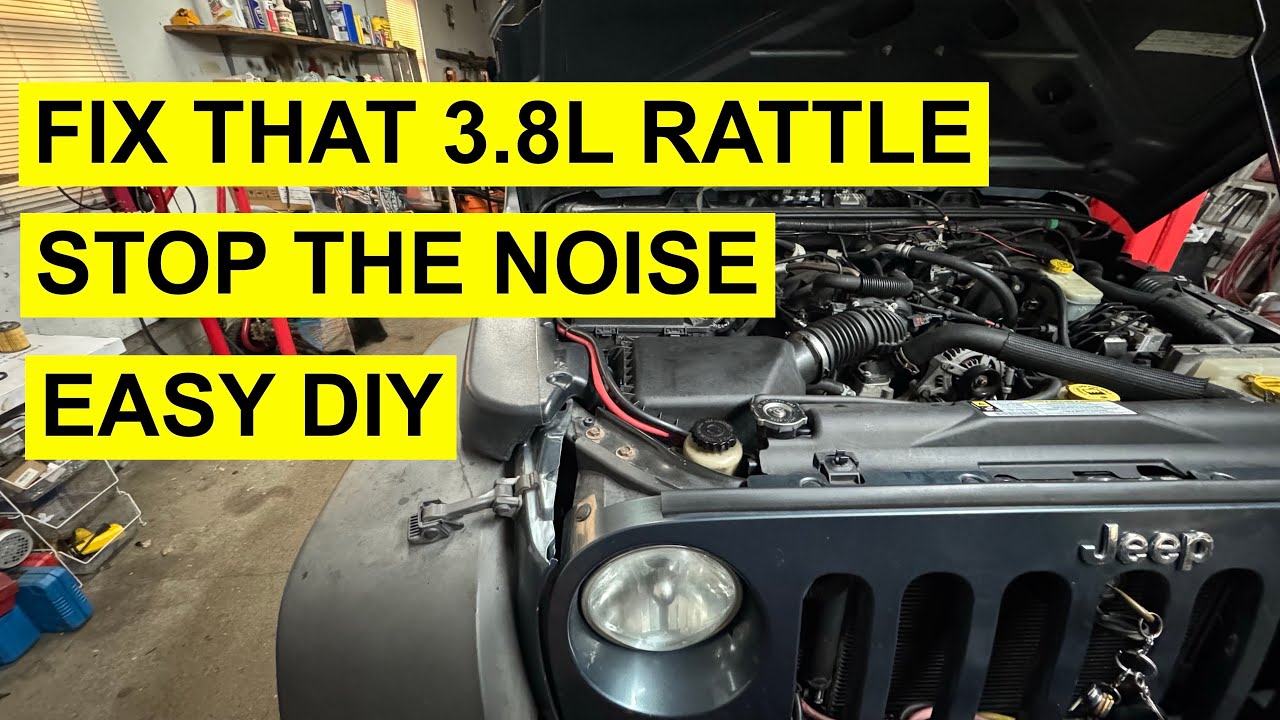
If the rattle comes from the engine bay, it could be a loose bolt, failing timing chain, or worn pulleys. This type of noise often changes with engine speed.
5. Interior And Trim Pieces
Sometimes the source is less serious. Loose dashboard panels, glove boxes, or seat mounts can vibrate and make noise, especially on bumpy terrain.
6. Wheels And Brakes
A stone caught in the brake shield or a loose wheel cover can also rattle. Always check your wheels for any foreign objects or loose hardware.
How To Identify The Source
Finding the exact cause of a rattling noise can be tricky. Start by noting when and where you hear it:
- Does it happen only at certain speeds?
- Is it louder over bumps or rough roads?
- Does it change with engine RPM or when turning?
Try to duplicate the sound while parked by gently pressing on different parts of the car. For example, tap the heat shield or gently shake the exhaust pipe (when cool) to check for movement.
Here is a quick comparison of common causes based on where the noise is heard:
| Location of Noise | Likely Causes |
|---|---|
| Under the car | Heat shields, exhaust system |
| Engine bay | Loose components, timing chain |
| Wheels | Brake shields, loose lug nuts |
| Inside cabin | Trim, seat mounts |
When To Worry About Rattling
Not all rattling noises mean your Jeep is in danger. However, some signs should not be ignored:
- The noise gets much louder quickly
- You notice performance issues, like rough idling
- Warning lights appear on your dashboard
- You smell something burning
If any of these happen, get your Jeep checked by a mechanic as soon as possible. Some issues, like a failing catalytic converter, can damage your engine or lead to safety problems.
Fixes And Prevention Tips
Some rattles are easy to fix, while others need professional help. Here are steps you can take:
- Tighten loose parts: Use a wrench to check and tighten heat shields, brackets, and bolts.
- Inspect the exhaust: Look for rust, broken hangers, or holes. Replace damaged parts.
- Check the suspension: Worn bushings or sway bar links should be replaced to avoid bigger problems.
- Clear debris: Remove stones or foreign objects from wheels and brake areas.
- Secure interior panels: Tighten or pad any loose trim or glove boxes.
Regular maintenance can help prevent rattles:
- Have your suspension and exhaust checked during routine service
- Replace worn parts before they fail completely
- Use only OEM or high-quality replacement parts
Experienced Jeep owners know that even small issues can turn into big ones if ignored. For example, a loose heat shield might seem minor, but if it falls off, it can damage other parts or create a fire hazard. Always address new noises quickly.
Non-obvious Insights Jeep Owners Often Miss
- Aftermarket accessories: Adding off-road bumpers, roof racks, or skid plates can introduce rattles if not installed tightly. Check all aftermarket parts, especially after rough use.
- Temperature effects: Some rattles only occur when the vehicle is cold or hot. Metal expands and contracts, so a rattle that disappears after warming up can still point to a loose or worn part.
Here’s a summary comparing DIY fixes and when to see a professional:
| Issue | DIY Possible? | Needs Mechanic? |
|---|---|---|
| Loose heat shield | Yes | No, unless severely rusted |
| Exhaust rattle | Sometimes | Yes, if welding or replacement needed |
| Suspension noise | No | Yes |
| Interior trim | Yes | No |
| Engine timing chain | No | Yes, urgent |
Frequently Asked Questions
Why Does My Jeep Rattle Only When Idling?
A rattle at idle often comes from loose heat shields or parts of the exhaust system vibrating when the engine runs at low speed. It can also signal engine mount issues.
Is It Safe To Drive My Jeep With A Rattling Noise?
It depends. If the noise is new, loud, or comes with warning lights, avoid driving and get it checked.
Minor trim rattles may not be urgent, but you should still fix them soon.
Can A Rattling Noise Mean A Serious Problem?
Yes. Some rattles, like those from the timing chain or suspension, can lead to breakdowns or safety risks. Always investigate new noises early.
How Much Does It Cost To Fix A Rattling Jeep?
Fixing a simple heat shield may cost under $100. Replacing exhaust or suspension parts can range from $200 to over $1000.
Costs depend on the source and Jeep model.
Can I Fix A Rattling Noise Myself?
If you have basic tools, you can tighten bolts or remove debris. For complex issues like timing chain problems or major suspension repairs, it’s best to see a professional.
A rattling noise from your Jeep is not something to ignore. Find the source, fix the problem, and you’ll enjoy a quieter, safer drive.
Take quick action to keep your Jeep running strong, whether you’re on the trail or the highway.