Many Jeep Compass owners notice their SUV seems louder than expected. Sometimes, the sound is a low hum at highway speeds.
Other times, it’s a roar when accelerating or a rattle coming from underneath. These noises can be annoying and even worrying.
Understanding why your Jeep Compass is so loud is the first step toward fixing it and enjoying a smoother, quieter drive.
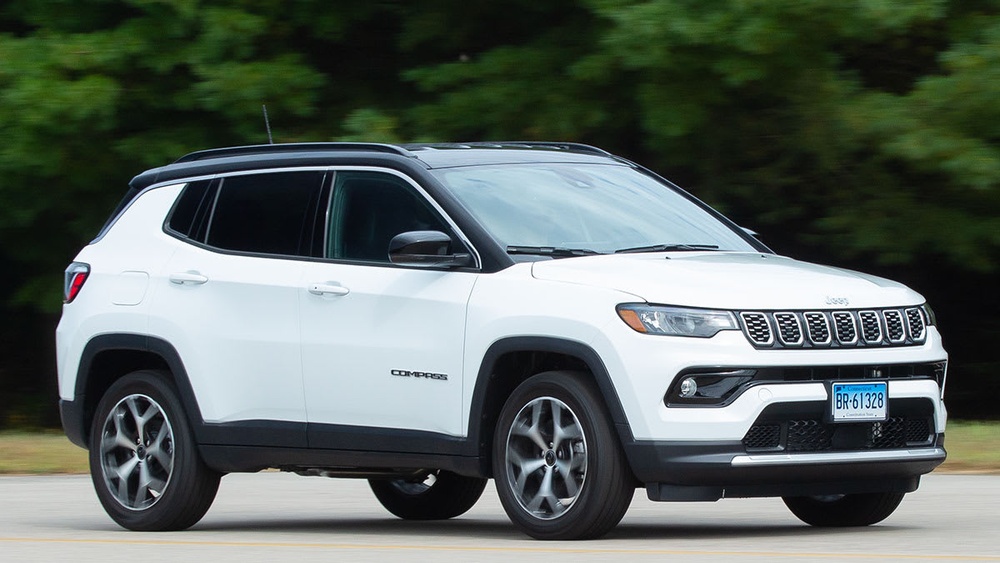
Common Reasons Your Jeep Compass Is Loud
Several factors can cause your Jeep Compass to make more noise than usual. Some are normal, but many point to maintenance issues or specific faults.
1. Tire Issues
Old or improperly inflated tires are a leading reason for increased road noise. Aggressive tread patterns, often found on all-terrain tires, make a louder sound compared to standard road tires.
- Worn tires may produce a humming or thumping sound.
- Underinflated tires can create extra friction, making a louder rolling noise.
- Uneven tire wear can cause vibration and rhythmic thumping.
2. Wheel Bearings
A damaged or failing wheel bearing creates a distinct humming or growling noise that gets louder as speed increases. This problem can be serious—if ignored, it may lead to wheel failure.
3. Exhaust System Problems
The exhaust system is designed to carry away engine gases quietly. If there’s a hole or crack in the exhaust pipe, muffler, or catalytic converter, you might hear a loud rumble or roaring sound, especially when accelerating.
- Loose or broken hangers can cause rattling under the car.
- Exhaust leaks often get worse over time and can reduce engine efficiency.
4. Engine Noises
Unusual sounds from the engine could mean several things:
- Low oil level may cause ticking, knocking, or clattering.
- Loose belts can squeak or squeal.
- Worn pulleys or tensioners might produce grinding or whining noises.
5. Suspension And Underbody
A loose or damaged suspension component—like a sway bar link, shock absorber, or control arm—can create banging, clunking, or rattling sounds, especially on rough roads.
6. Cabin Insulation
The Jeep Compass is built for versatility, but some models have less soundproofing than luxury vehicles. This can allow more road, wind, or engine noise into the cabin. Owners often notice this during highway driving.
Table: Common Noise Sources And Characteristics
Here’s a quick look at what different noises might mean for your Jeep Compass:
| Noise | Possible Cause | Where You Hear It | Action Needed |
|---|---|---|---|
| Humming/Growling | Wheel Bearings | Wheels, increases with speed | Inspect bearings |
| Rattling | Exhaust/Suspension | Underbody, especially on bumps | Check hangers, links |
| Roaring | Tires/Exhaust | All around, especially on acceleration | Check tires, exhaust leaks |
| Squealing | Belts/Pulleys | Front of vehicle, on startup or acceleration | Inspect belts/pulleys |
Diagnosing The Sound: Practical Steps
Finding the source of the noise is key. Here’s how to get started:
- Note when the noise happens. Is it only at certain speeds or all the time?
- Check tire condition and pressure. Use a gauge and inspect tread wear.
- Listen for changes when turning. A growling noise that gets louder when turning often means a wheel bearing issue.
- Inspect under the vehicle. Look for loose parts, rusted exhaust, or leaking fluids.
- Test in park and drive. If the noise is present with the car stationary and revving, it’s likely engine or belt-related.
Table: Quick Diy Checks Vs. Mechanic Visits
Not sure what you can check yourself? Here’s a guide:
| Check | DIY Friendly? | Mechanic Needed? |
|---|---|---|
| Tire Pressure/Tread | Yes | No |
| Check for Loose Exhaust | Yes (visual) | Maybe (repair) |
| Wheel Bearings | No | Yes |
| Belts/Pulleys | No | Yes |
| Cabin Insulation | No | No (unless upgrading) |
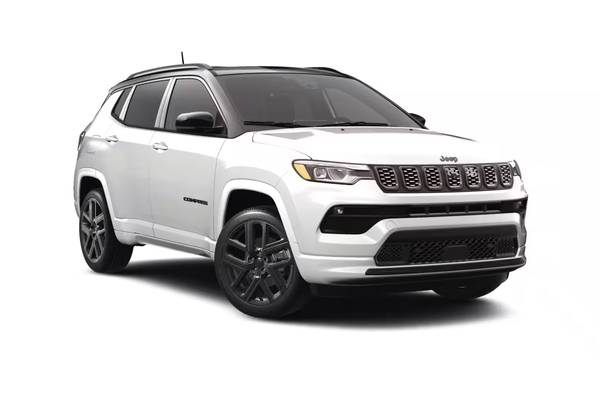
Overlooked Causes And Tips
Many drivers focus on the most obvious sources but overlook a few common ones:
- Roof rails or cargo racks: Wind noise increases if these are loose or poorly fitted.
- Aftermarket modifications: Larger tires, lift kits, or custom exhausts often increase noise.
- Door seals: Damaged or old seals let in more wind and road noise.
If your Jeep Compass is new to you, compare the noise level with another Compass of the same year and trim. Sometimes, what you’re hearing is normal for the model.
Is It Normal For The Jeep Compass To Be Loud?
Compared to sedans or luxury SUVs, the Jeep Compass can be louder, especially at highway speeds. This is due to its:
- Higher ground clearance
- More rugged tires on some trims
- Less cabin insulation
However, excessive noise, sudden new sounds, or changes in noise levels are not normal and should be checked.
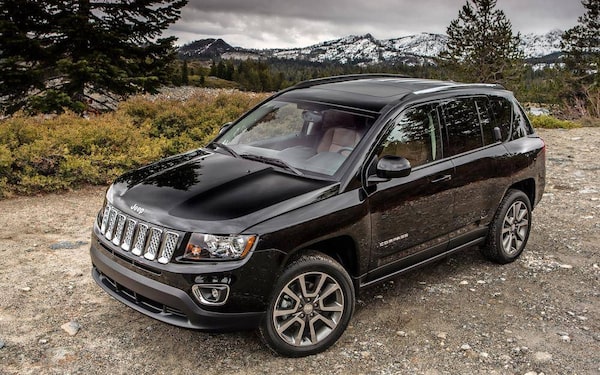
When To Worry About The Noise
Sudden or very loud noises usually mean something needs urgent attention. Seek help if you notice:
- Knocking or banging from the engine
- Grinding or screeching that starts suddenly
- Noise that gets much louder over days or weeks
- Vibrations through the steering wheel or floor
Ignoring these signs can lead to more expensive repairs or safety risks.
How To Make Your Jeep Compass Quieter
If you want a quieter ride, consider these steps:
- Upgrade tires to ones designed for road comfort, not just off-road traction.
- Replace worn door seals and check for gaps.
- Add sound-deadening mats under the carpet or inside doors.
- Fix all mechanical issues—even small exhaust leaks or loose parts add noise.
- Remove unused roof racks or accessories to reduce wind noise.
These changes can make a real difference, especially on longer trips.