If your Jeep Cherokee is idling higher than normal, it can be annoying and even worrying. High idle means your engine runs faster than it should when your foot is off the gas pedal.
This not only wastes fuel but can also point to deeper problems. Many drivers experience this, and the reasons can range from simple to complex.
Let's break down why this happens, how to spot the cause, and what you can do to fix it.
Common Reasons For High Idle In Jeep Cherokee
Several factors can make your Jeep Cherokee idle high. Here are the main ones:
1. Vacuum Leaks
Your engine uses vacuum to control many systems. If there’s a leak (like a cracked hose), extra air gets in, making the engine idle faster.
This is one of the most common causes.
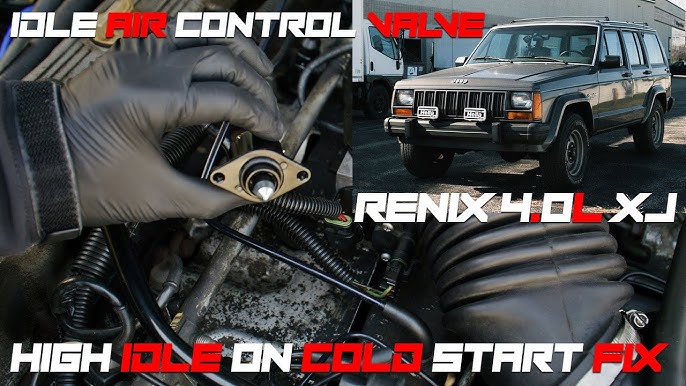
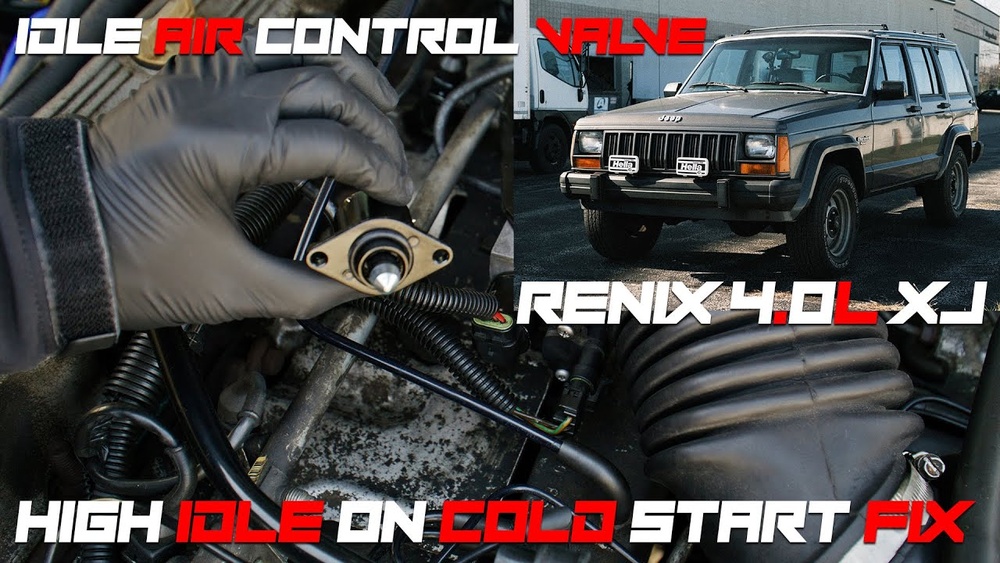
2. Faulty Idle Air Control (iac) Valve
The IAC valve manages how much air enters the engine when idling. If it sticks or fails, your idle speed can rise. Older Cherokees with the 4.0L engine often have this issue.
3. Throttle Body Problems
Dirt or carbon buildup in the throttle body can stop the throttle plate from closing fully. This lets in more air and raises the idle.
4. Bad Engine Coolant Temperature Sensor
The coolant temperature sensor tells your engine computer how hot your engine is. If it fails, the computer might think the engine is cold and raise the idle to help it “warm up”—even when it’s already hot.
5. Problems With The Mass Air Flow (maf) Sensor
Some Cherokees use a MAF sensor to measure air coming in. If it’s dirty or broken, the computer may add too much fuel, making the engine run faster.
6. Sticking Accelerator Cable Or Pedal
If the accelerator cable is rusty or the pedal sticks, it can hold the throttle open slightly, increasing idle speed.
7. Software Or Ecu Issues
Rarely, the engine’s computer (ECU) might need a software update or reset. An error in the programming can affect idle speed.
How To Diagnose High Idle
Finding the real cause means checking a few things step by step. Here’s a quick guide:
Visual Inspection
Start by popping the hood and looking for:
- Cracked or loose vacuum hoses
- Disconnected or damaged wiring
- Stuck throttle linkages
If you spot something obvious, fix it first.
Listen For Hissing Sounds
Vacuum leaks often make a hissing noise. Listen near the engine while it’s idling. Spraying a little carb cleaner around hoses (not on hot parts) can help—if the idle changes, you found a leak.
Use An Obd-ii Scanner
Plug in a scan tool under your dashboard. This device can show error codes and help you pinpoint problems, especially with sensors like the IAC or coolant temperature sensor.
Inspect The Throttle Body
Remove the air intake and check inside the throttle body. If it’s dirty, clean it with throttle body cleaner.
Compare Idle Rpm
Normal idle speed for most Jeep Cherokees is 650–750 RPM. Here’s a quick comparison:
| Model Year | Engine | Normal Idle RPM | High Idle RPM |
|---|---|---|---|
| 1997–2001 | 4.0L I6 | 650–700 | 900+ |
| 2014–2021 | 2.4L I4 | 700–750 | 1000+ |
Check your dashboard tachometer. If your idle is well above normal, there’s likely a problem.

Fixing High Idle: What You Can Do
Many high idle issues can be fixed at home if you’re comfortable with basic tools. Here’s what you can try:
- Replace cracked vacuum hoses—these are cheap and easy to swap.
- Clean the throttle body—a bottle of throttle cleaner and a rag can make a big difference.
- Change the IAC valve—if cleaning doesn’t help and your idle is still high.
- Replace the coolant temperature sensor if your scan tool shows a problem.
- Lubricate the accelerator pedal and cable if they feel sticky.
If you’re not sure, don’t guess. Modern engines are sensitive, so it’s smart to get help from a mechanic if you’re stuck.
When To See A Mechanic
Sometimes, the cause is tricky or needs special tools. Here’s when to get professional help:
- You see a check engine light and can’t clear the code.
- You hear whistling or hissing that you can’t find.
- You replaced easy parts but the problem remains.
- Idle speed keeps changing or surges up and down.
A good mechanic has diagnostic gear to test sensors and check your Jeep’s computer. They can quickly spot issues that might take you hours to find.
Real-world Example
A 2017 Jeep Cherokee owner noticed a steady idle above 1100 RPM. After cleaning the throttle body and checking hoses, the problem stayed. A scan showed a faulty coolant temperature sensor. Replacing this sensor dropped the idle back to normal. This shows how a simple sensor can cause a big problem.
What High Idle Means For Your Jeep
Ignoring high idle isn’t just annoying. Here’s why you should care:
- Wastes fuel—your Jeep burns more gas at every stoplight.
- Wears out parts—engine and transmission parts work harder.
- Can fail emissions tests—high idle often increases pollution.
- May point to bigger issues—sometimes it’s an early warning sign.
If your Jeep Cherokee idles high, it’s best to fix it soon. Many problems are simple and cheap to repair if caught early.
Preventing High Idle
While not every cause is preventable, you can reduce your risk:
- Check vacuum hoses every oil change.
- Keep the throttle body clean.
- Fix engine warning lights quickly.
- Use good quality fuel and change your air filter on schedule.
Being proactive saves money in the long run.
Cost Comparison For Repairs
Here’s a look at common repair costs for high idle problems:
| Part/Service | DIY Cost (USD) | Shop Cost (USD) |
|---|---|---|
| Vacuum Hose Replacement | 10–30 | 50–120 |
| Throttle Body Cleaning | 5–15 | 80–150 |
| IAC Valve Replacement | 40–90 | 120–250 |
| Coolant Temp Sensor | 15–30 | 70–180 |
DIY repairs save money, but if you’re unsure, paying for a pro can be cheaper than guessing wrong.