If your 2015 Jeep Grand Cherokee is overheating, you’re probably worried about the health of your SUV—and for good reason. Overheating can cause major engine damage and leave you stranded.
Luckily, most overheating issues have clear causes and solutions. Understanding why this happens can save you time, money, and stress.
Let’s break down the common reasons, warning signs, and what you can do to keep your Jeep cool and running smoothly.
Most Common Causes Of Overheating
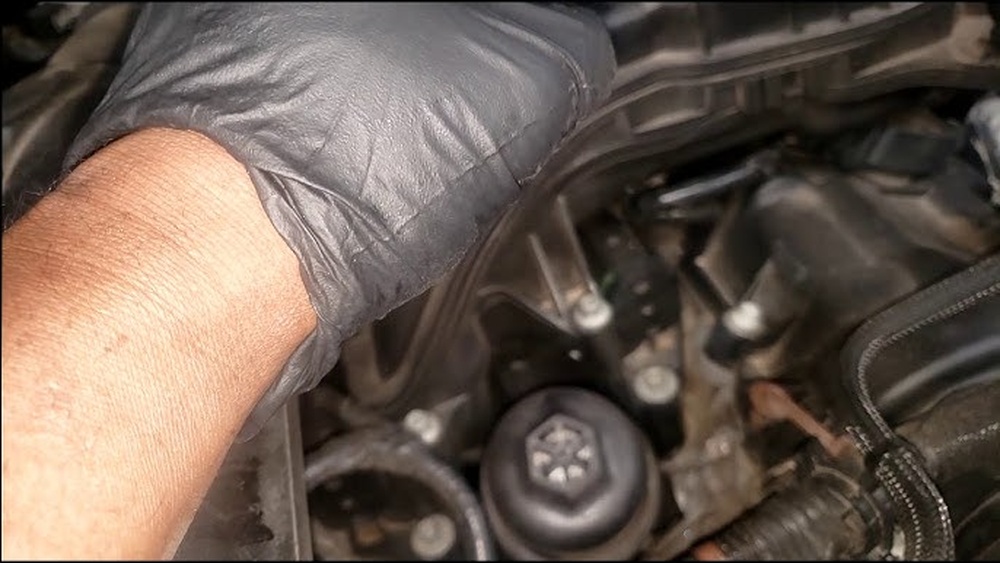
Several things can make your 2015 Jeep Grand Cherokee overheat. Some are simple fixes, while others are more serious. Here are the main reasons you might see that temperature gauge climb:
- Low coolant level: Coolant (antifreeze) helps absorb heat from the engine. If it’s low, your engine can’t stay cool.
- Coolant leaks: Leaks can occur in the radiator, hoses, water pump, or heater core. Even small leaks can create big problems over time.
- Faulty thermostat: The thermostat controls coolant flow. If it sticks closed, coolant can’t circulate, leading to overheating.
- Broken radiator fan: This fan pulls air through the radiator to cool the engine. If it fails, especially in traffic, the engine heats up fast.
- Clogged radiator: Dirt, debris, or rust can block the radiator’s small passages, reducing its ability to cool.
- Water pump failure: The water pump moves coolant through the engine. When it fails, circulation stops and heat builds up.
- Bad radiator cap: A weak cap can let coolant escape or reduce system pressure, causing the engine to run hotter.
- Air in the cooling system: Air pockets block coolant flow and can make the engine overheat.
- Damaged head gasket: A blown head gasket can let coolant leak into the engine, causing a rapid rise in temperature.
- Overworked engine: Towing heavy loads or driving in hot weather can push the cooling system beyond its limit.
Warning Signs To Watch For
Your Jeep will usually give some hints before it overheats completely. Pay attention to these warning signs:
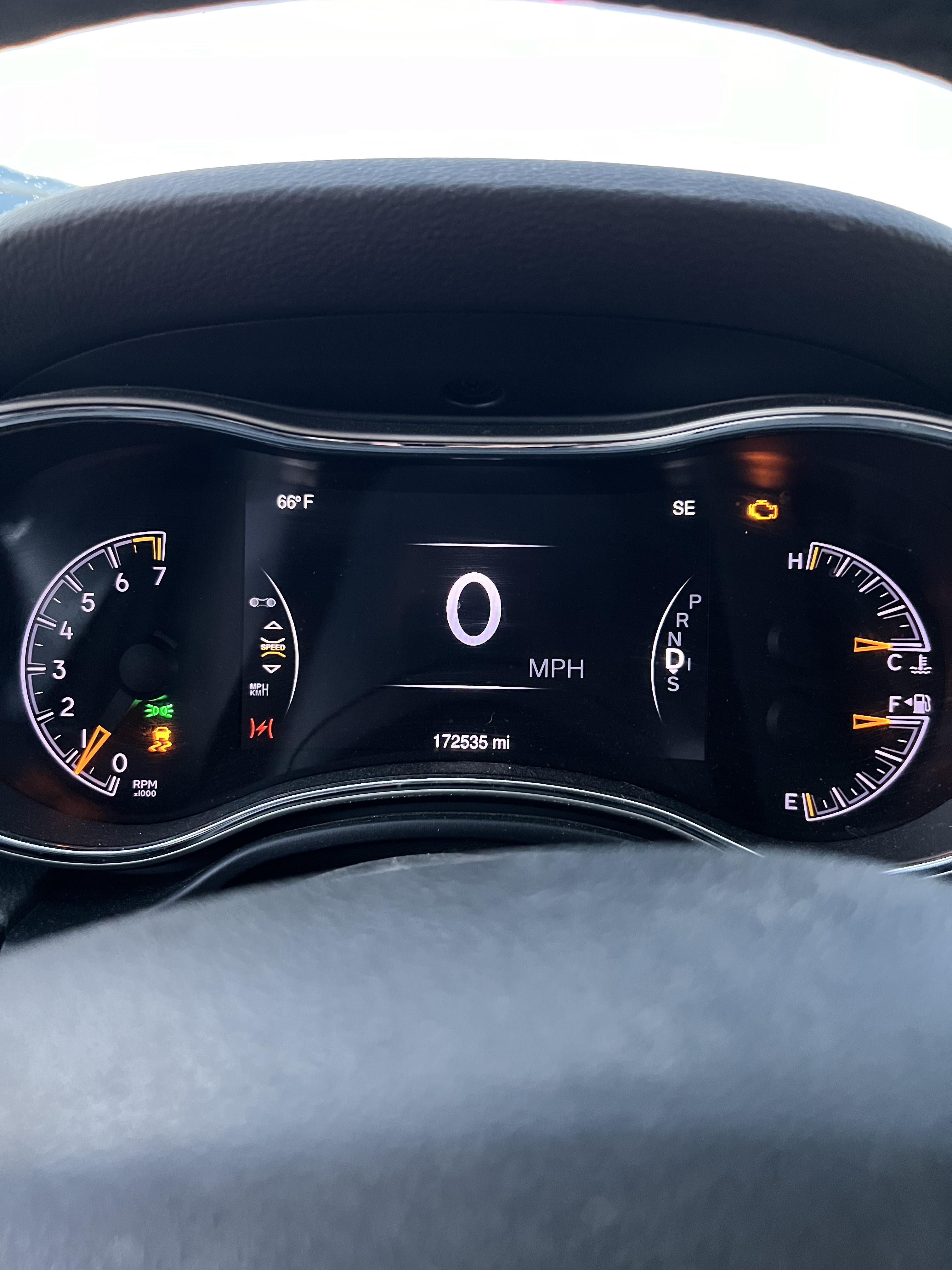
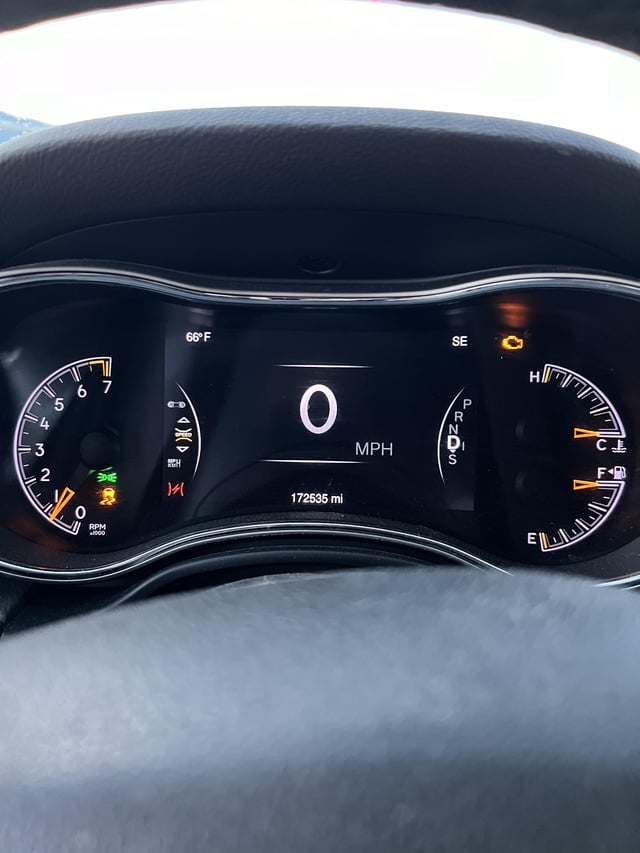
- Temperature gauge in the red zone
- Steam coming from under the hood
- Strange smells, like sweet syrup (coolant) or burning
- Coolant puddles under your car
- Heater stops working (a sign of air or low coolant)
- Check engine light or warning messages
If you notice any of these, stop driving as soon as it’s safe.
Diagnosing The Problem
Finding out why your Jeep is overheating can be simple or complex. Here’s a step-by-step approach:
- Check coolant level: When the engine is cool, look at the coolant reservoir. If it’s low, refill with the correct coolant mixture.
- Look for leaks: Check under the Jeep and around the engine for wet spots, stains, or a sweet smell.
- Inspect the radiator fan: With the engine running (and hot), see if the fan turns on. If not, the fan motor or a relay might be bad.
- Watch the temperature gauge: Does it climb only when idling or in traffic? That points to a fan or airflow issue.
- Examine hoses: Squeeze radiator hoses (when cool). They should feel firm, not soft or collapsed.
- Pressure test: A mechanic can pressure test the system to find hidden leaks or cap problems.
- Scan for error codes: Use an OBD-II scanner to check for codes related to the cooling system.
Common Repairs And Solutions
After you find the cause, here are the typical fixes:
- Top up coolant: Use a 50/50 mix of coolant and water.
- Replace leaking hoses or radiator: Leaks often mean replacing parts.
- Install new thermostat: This is a common, low-cost fix.
- Repair radiator fan: Sometimes it’s the motor, sometimes the relay or fuse.
- Flush the radiator: Removes blockages and old coolant.
- Replace water pump: If it’s noisy or leaking, swap it out.
- Change radiator cap: An easy, cheap fix for pressure issues.
A quick comparison of possible issues and their typical repair costs:
| Problem | DIY Cost | Shop Cost | Repair Time |
|---|---|---|---|
| Low Coolant | $20 | $60 | 15 min |
| Thermostat | $40 | $150 | 1 hour |
| Radiator Fan | $100 | $400 | 2 hours |
| Water Pump | $60 | $500 | 3 hours |
What Makes The 2015 Jeep Grand Cherokee Unique?
The 2015 model uses a modern cooling system but has some weak points:
- Plastic radiator tanks can crack over time.
- The 3.6L Pentastar V6 is known for water pump and thermostat issues.
- Some models have electric fans that fail more often than belt-driven ones.
Some owners also report that air pockets are hard to remove after a coolant flush. Bleeding the system fully is very important.
Preventing Overheating In The Future
Simple habits can help you avoid overheating:
- Check coolant levels monthly.
- Inspect hoses and the radiator for wear.
- Change the coolant every 5 years or 100,000 miles.
- Never ignore warning lights or odd smells.
- Get the cooling system inspected before long trips.
Here’s a quick guide comparing maintenance frequency for key parts:
| Component | Check Interval | Replace Interval |
|---|---|---|
| Coolant | Monthly | 5 years/100,000 mi |
| Thermostat | Yearly | 5 years/60,000 mi |
| Hoses | Monthly | As needed |
Two Insights Many Owners Miss
- Air pockets after a coolant change are a hidden danger. Always bleed the system properly, or overheating can return quickly.
- The radiator cap is often overlooked. Even if it “looks fine,” a weak spring can cause pressure loss, leading to boiling coolant.
When To Get Professional Help
If you can’t spot the problem or your Jeep keeps overheating even after basic fixes, don’t wait. Repeated overheating can cause expensive engine damage.
A professional has the tools to test for hidden leaks, blocked passages, and head gasket problems.
For more details about engine overheating, you can visit AAA’s guide.
Taking quick action and staying aware of your Jeep’s needs will keep you on the road and out of the repair shop.

Frequently Asked Questions
Why Does My Jeep Only Overheat In Traffic?
If your Jeep overheats when idling or in slow traffic, the radiator fan might not be working. This fan helps cool the engine when there’s not enough airflow.
What Coolant Should I Use For My 2015 Grand Cherokee?
Use a HOAT (Hybrid Organic Acid Technology) coolant, which is what Jeep recommends. Always check your owner’s manual for the exact type.
Can A Bad Thermostat Cause Overheating?
Yes. A stuck thermostat can stop coolant from circulating, causing the engine to heat up quickly.
How Do I Know If My Water Pump Has Failed?
Watch for leaks under the engine, grinding noises, or a sudden rise in temperature. A bad water pump often shows these signs.
Is It Safe To Drive While My Jeep Is Overheating?
No. Driving an overheating car can ruin the engine. Pull over, turn off the engine, and let it cool before checking the problem.