If your 2011 Jeep Grand Cherokee is overheating, you probably feel frustrated and worried. Overheating can damage your engine, leave you stranded, and cost you money.
But why is it happening, and what can you do about it? This article explains the main causes of overheating for this specific model, how to spot them, and what steps you should take.
You’ll also find practical advice, common mistakes, and clear answers to frequent questions.
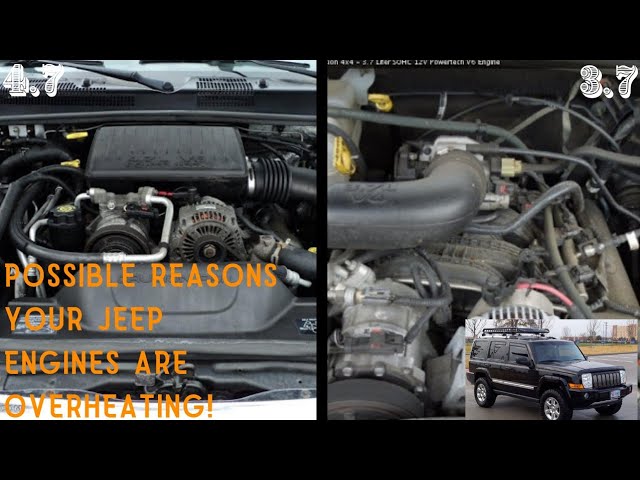
Common Reasons Your 2011 Jeep Grand Cherokee Overheats
Several things can cause your Grand Cherokee to overheat. Some are simple, others are more serious. Understanding the main reasons helps you fix the problem faster and avoid expensive repairs.
- Low Coolant Level
- The coolant (antifreeze) keeps your engine at the right temperature. If the coolant is low, the engine heats up quickly. This is the most common issue. Sometimes, leaks in hoses or the radiator cause coolant loss.
- Faulty Thermostat
- The thermostat controls how much coolant flows into the engine. If it gets stuck closed, coolant can’t circulate, causing overheating. A stuck thermostat is easy to miss, but it’s a frequent problem in older cars.
- Radiator Problems
- The radiator removes heat from the coolant. If it’s blocked, corroded, or leaking, it won’t work properly. Debris or old coolant can clog the radiator, especially in vehicles over ten years old.
- Water Pump Failure
- The water pump moves coolant through the engine and radiator. If it fails, coolant won’t circulate, and the engine overheats. Water pump issues often cause leaks or grinding noises.
- Broken Cooling Fans
- Cooling fans pull air through the radiator to lower coolant temperature. If the fans don’t work, your engine can overheat, especially in traffic or hot weather. Fan relays or motors often fail in older vehicles.
- Head Gasket Issues
- The head gasket seals the engine. If it’s damaged, coolant may leak into the engine or escape outside. White smoke from the exhaust or milky oil are warning signs. Head gasket repair is expensive, but ignoring it makes things worse.
- Air in the Cooling System
- Air trapped in the system stops coolant from flowing smoothly. After a repair or coolant change, air pockets are common. Bleeding the system solves this issue.
- Clogged Heater Core
- The heater core transfers heat from the engine to the cabin. If it’s blocked, coolant flow is reduced, leading to overheating. Poor cabin heat is a clue.
- Bad Radiator Cap
- The radiator cap keeps pressure in the cooling system. If it’s faulty, coolant can boil and escape, causing overheating. This is often overlooked, but a cheap fix.
- Old or Wrong Coolant
- Coolant breaks down over time. Using the wrong type or mixing brands can cause blockages and poor heat transfer. Always use the recommended coolant for your Jeep.
How To Diagnose Overheating In Your Jeep Grand Cherokee
A careful diagnosis saves time and money. Here’s how to check for the main issues:
- Look for Leaks: Examine hoses, radiator, and water pump for visible leaks.
- Check Coolant Level: Always inspect when the engine is cold.
- Inspect the Thermostat: If the upper radiator hose stays cold after the engine warms up, the thermostat may be stuck.
- Test the Fans: Listen and look for fan operation when the engine is hot.
- Check for White Smoke: This could mean a head gasket problem.
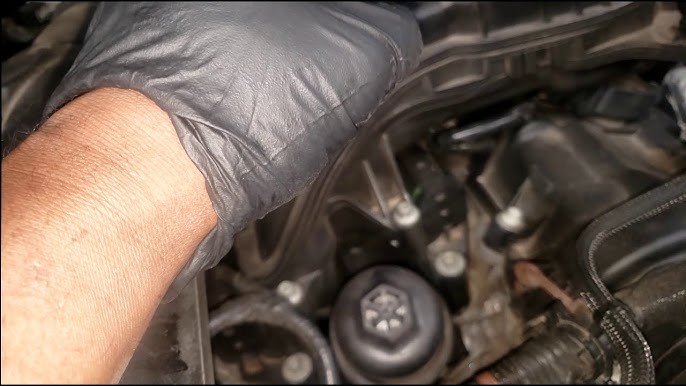
Comparison: Most Common Overheating Causes
The following table shows how often each problem appears and the average repair cost for a 2011 Jeep Grand Cherokee:
| Cause | Frequency | Average Repair Cost |
|---|---|---|
| Low Coolant | Very Common | $50–$200 |
| Thermostat Failure | Common | $150–$300 |
| Radiator Issues | Common | $400–$900 |
| Water Pump Failure | Less Common | $300–$600 |
| Head Gasket | Rare | $1,000–$2,000 |
Practical Steps To Fix Jeep Overheating
If your Jeep is overheating, follow these steps:
- Stop Driving: Driving while overheating can damage the engine.
- Let It Cool: Wait at least 30 minutes before opening the hood.
- Check Coolant: Add coolant if low (use proper type).
- Inspect for Leaks: Look under the car and around hoses.
- Test Fans and Thermostat: Replace if faulty.
- Visit a Mechanic: If unsure or if overheating continues.
Many owners forget to check the radiator cap and heater core, but these are cheap fixes that solve many problems.
Data: Jeep Grand Cherokee Overheating Incidents
Statistics show that overheating is more common in older SUVs. In the US, over 18% of Jeep Grand Cherokee owners report overheating issues before 120,000 miles. Most cases relate to coolant leaks or thermostat problems.
| Mileage Range | % Reporting Overheating |
|---|---|
| 0–60,000 miles | 5% |
| 60,001–120,000 miles | 18% |
| 120,001–180,000 miles | 28% |
| 180,001+ miles | 35% |
What Beginners Often Miss
- Air pockets after coolant changes can cause overheating even if everything else looks fine.
- Many believe only big leaks matter, but small leaks can still cause problems over time.

Expert Tips To Prevent Overheating
- Use the correct coolant type and never mix brands.
- Change the coolant every 2–3 years.
- Always replace the thermostat and radiator cap if you notice issues, even if they seem minor.
- Watch for heater core symptoms like poor cabin heat.
For more technical details and maintenance schedules, check the official Jeep Owner’s Manual.
Frequently Asked Questions
Why Does My 2011 Jeep Grand Cherokee Keep Overheating After Replacing The Thermostat?
Even with a new thermostat, air pockets or coolant leaks can cause overheating. Always bleed the system and check for leaks.
Can I Drive My Jeep If It’s Overheating?
No. Driving while overheated can damage the engine and lead to costly repairs. Stop immediately and let it cool.
How Do I Know If My Radiator Is Blocked?
Look for rust, debris, or discolored coolant. If the temperature stays high, even after replacing the thermostat and coolant, the radiator may be blocked.
What Coolant Type Does My 2011 Jeep Grand Cherokee Need?
Use the specific HOAT coolant (Hybrid Organic Acid Technology) recommended by Jeep. Mixing types causes corrosion and blockages.
Is Overheating A Common Problem In Older Jeep Grand Cherokees?
Yes. Overheating is more likely as the vehicle ages, especially after 100,000 miles.
Regular maintenance and checking for leaks help prevent issues.
If you follow these steps and stay alert to the warning signs, your 2011 Jeep Grand Cherokee will stay cool and reliable. Always act early to avoid big repair bills and keep your SUV running strong.


















