If your Jeep Wrangler is starting to shake while driving, you are not alone. Many Jeep owners experience vibrations, shudders, or even severe shaking at different speeds.
While some shaking is normal for older off-road vehicles, excessive shaking is a sign that something is wrong. Ignoring it can lead to bigger problems and more expensive repairs down the line.
A shaking Jeep can feel unsettling and even unsafe. Whether you feel it in the steering wheel, the seat, or throughout the whole vehicle, it’s important to find out why it’s happening.
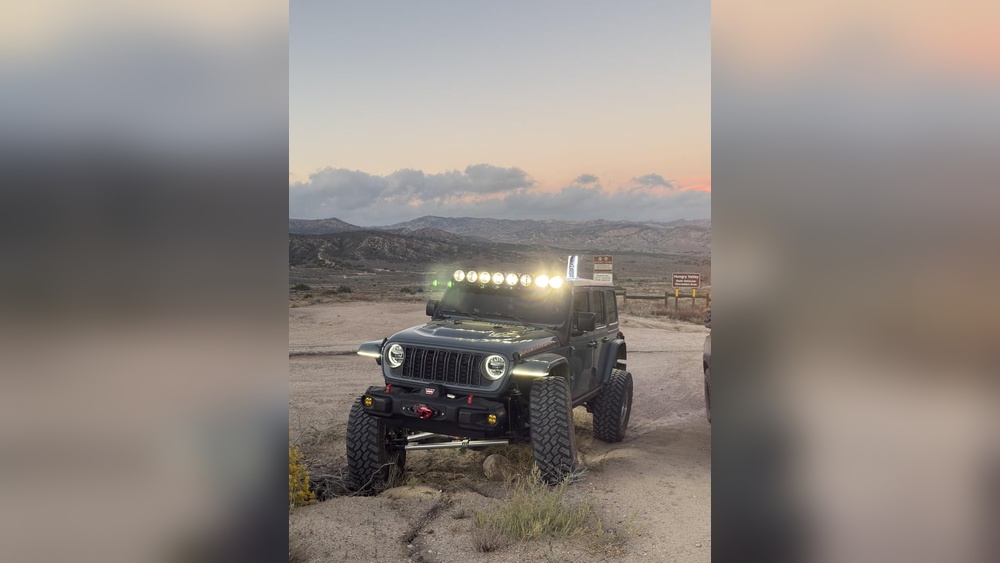
This article explores the most common reasons for Jeep Wrangler shaking, how to diagnose the issue, and what you can do to fix it.
If you catch the problem early, you can often avoid bigger repairs and keep your Jeep running smoothly.
Most Common Causes Of Jeep Wrangler Shaking
Several issues can make your Jeep Wrangler shake. Some are simple to fix, while others need a mechanic’s help.
Below are the main causes, from most to least common.
1. Unbalanced Or Damaged Tires
Tires are the first thing to check when your Jeep shakes. If your tires are out of balance or damaged, the shaking usually starts at a certain speed—often between 45 and 65 mph. Sometimes, you’ll notice uneven tire wear or bulges.
- Solution: Rotate and balance the tires. Replace any that are worn or damaged.
2. Worn Suspension Components
The Jeep Wrangler’s suspension system is built for tough trails, but parts like bushings, ball joints, and tie rods wear out over time. Worn suspension parts can lead to loose steering and vibrations, especially after hitting a bump.
- Solution: Inspect and replace worn suspension parts as needed.
3. Misaligned Wheels
If your Jeep’s wheels are out of alignment, it can cause shaking and uneven tire wear. This often happens after off-roading or hitting a pothole.
- Solution: Get a professional wheel alignment.
4. Bent Or Damaged Wheels
A bent rim will cause the Jeep to shake, especially at higher speeds. Off-roading can easily bend steel or aluminum wheels.
- Solution: Replace any wheels that are bent or cracked.
5. Driveshaft Issues
The driveshaft connects the transmission to the wheels. If it’s bent, unbalanced, or has worn U-joints, you might feel shaking under your seat, especially during acceleration.
- Solution: Have a mechanic check the driveshaft and U-joints.
6. Brake Problems
Warped brake rotors or sticking calipers can cause the Jeep to shake when braking. If the shaking only happens while you are slowing down, this is likely the cause.
- Solution: Inspect and replace rotors or calipers as needed.
7. Engine Or Transmission Mounts
If your engine or transmission mounts are worn out, you might feel a vibration when you accelerate or idle. These rubber mounts absorb engine movement, and when they fail, shaking can spread through the whole vehicle.
- Solution: Replace worn mounts.
8. “death Wobble”
The infamous death wobble is a violent front-end shake that often happens after hitting a bump at highway speeds. It is usually caused by a combination of loose steering and suspension parts.
- Solution: Inspect and tighten or replace all steering and suspension components.
How To Diagnose Jeep Wrangler Shaking
Finding the root cause of shaking can be tricky. Here’s how to narrow it down:
| Symptom | Likely Cause | What to Check |
|---|---|---|
| Shakes at high speed | Tires or wheels | Balance, alignment, damage |
| Shakes when braking | Brakes | Rotors, calipers |
| Shakes after bump | Suspension/steering | Ball joints, tie rods |
| Shakes during acceleration | Driveshaft/mounts | U-joints, mounts |
A simple test: Swap the front and rear tires. If the shaking changes or stops, you know the problem is with the tires or wheels.
Jeep Wrangler Shaking Vs. Death Wobble
Not all shaking is the same. It’s important to know the difference between regular shaking and the death wobble. Death wobble is a violent, uncontrollable shaking of the front wheels that usually only stops when you slow down.
Here’s a comparison:
| Shaking | Death Wobble |
|---|---|
| Mild to moderate vibration | Severe, violent shaking |
| May happen at certain speeds | Triggered by bumps at highway speeds |
| Often caused by tires or alignment | Usually caused by loose suspension/steering |
| Vehicle remains controllable | May feel out of control; must slow down |
If you have death wobble, it’s unsafe to keep driving. Get your Jeep checked immediately.
Preventing Future Shaking
You can reduce the risk of future problems with a few smart habits:
- Rotate and balance tires every 5,000–7,500 miles.
- Check tire pressure monthly.
- Inspect suspension and steering parts at every oil change.
- Avoid hitting curbs or deep potholes at speed.
- After off-roading, check for damage underneath.
Some Jeep owners skip regular tire balancing, thinking it’s not important for off-road vehicles. But unbalanced tires are a leading cause of vibration, even on Wranglers.
When To See A Mechanic
If you have tried basic checks and still feel shaking, don’t ignore it. Some problems, like worn suspension or driveshaft issues, can get worse over time.
Severe shaking can even lead to loss of control.
A qualified mechanic can quickly spot issues with a lift and the right tools. If your Jeep is still under warranty, repairs may be covered. For more technical details, you can refer to the official Jeep website.
Frequently Asked Questions
Why Does My Jeep Wrangler Shake After Hitting A Bump?
This could be the start of death wobble or a sign of worn suspension or steering parts. Get your suspension and steering system checked as soon as possible.
Can Unbalanced Tires Cause My Jeep To Shake?
Yes. Unbalanced tires are the most common cause of shaking, especially at highway speeds. Regular balancing and rotation help prevent this problem.
Is It Safe To Drive My Jeep If It Shakes?
Mild shaking may be safe for short trips, but severe shaking or death wobble is dangerous. Continued driving can cause more damage and safety risks.
How Much Does It Cost To Fix Jeep Shaking?
Costs vary depending on the cause. Tire balancing can cost $50–$100, while suspension repairs can range from $200 to over $1,000, depending on the parts.
How Do I Know If My Jeep’s Suspension Is Worn Out?
Look for signs like loose steering, uneven tire wear, or clunking noises over bumps. A mechanic can inspect the suspension for worn parts.
If your Jeep Wrangler shakes, don’t ignore it. Most problems are easy to fix if you act early. With regular care, your Jeep can provide a smooth, safe ride for years to come.