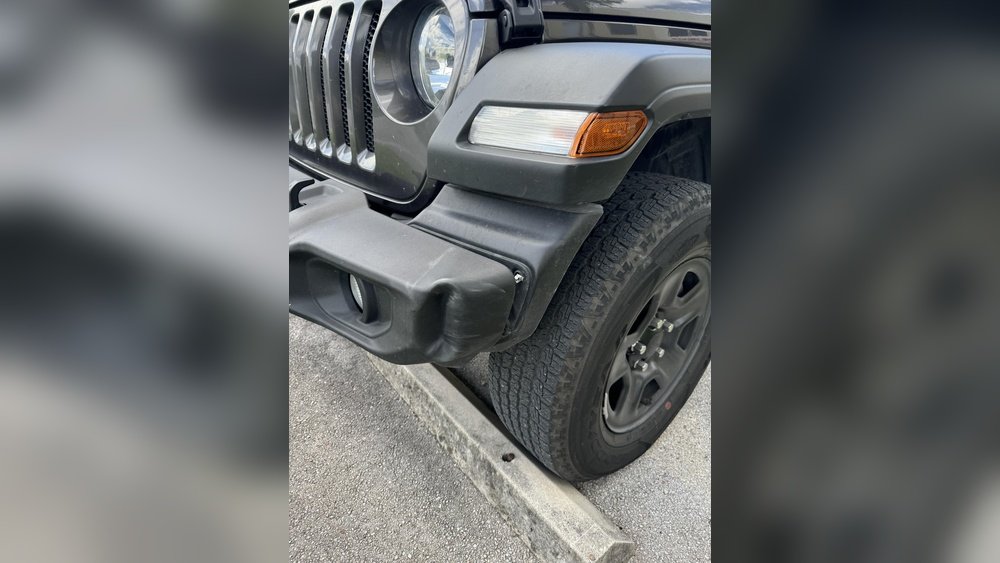
If you own a Jeep and feel strong vibrations when you accelerate, you’re not alone. Many Jeep drivers notice shaking that appears only when pressing the gas pedal.
This can make daily driving uncomfortable and even raise concerns about safety. Understanding why your Jeep vibrates during acceleration is the first step to fixing the issue and restoring a smooth ride.
Let’s dive into the main reasons for these vibrations, how to diagnose them, and what you can do to solve the problem. You’ll also learn tips to avoid common mistakes that can make things worse.
Main Causes Of Jeep Vibration During Acceleration
Several problems can cause a Jeep to shake while accelerating. Some issues are simple, while others need a mechanic’s help. Here are the most common causes:
1. Worn Or Unbalanced Tires
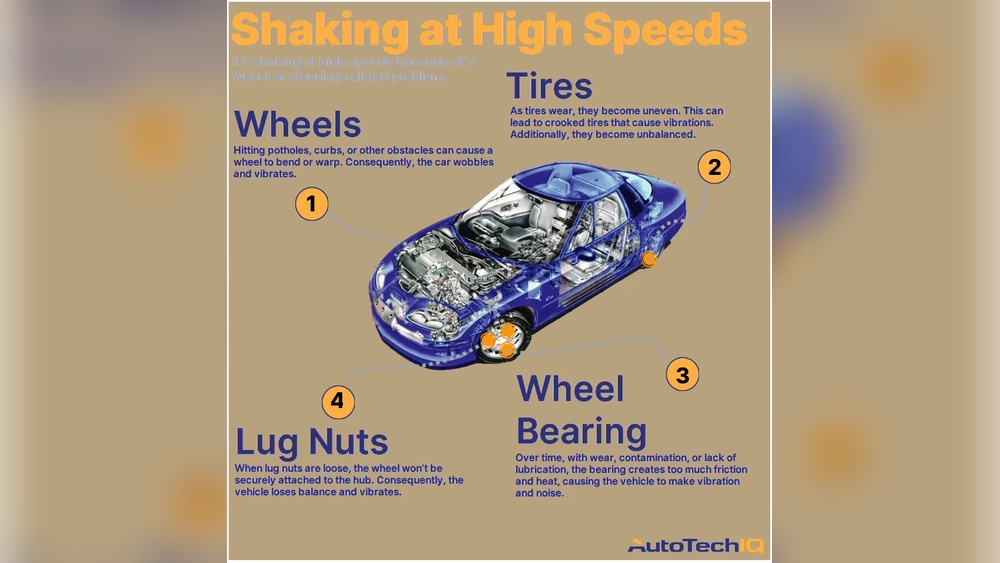
Tires are a top reason for vibration. If your tires are worn unevenly, have lost their balance, or are damaged, they can cause shaking—especially at higher speeds.
- Unbalanced tires: Missing wheel weights or uneven tire wear will create vibration.
- Mud or debris: Off-road Jeeps can collect mud in the wheels, leading to imbalance.
- Flat spots: Leaving a Jeep parked for long periods sometimes causes flat spots on tires.
2. Driveshaft Issues
The driveshaft sends power from the transmission to the wheels. When it’s bent or its parts are worn out, you’ll feel vibration as you accelerate.
- Worn U-joints: Universal joints connect the driveshaft to the transmission and axles. If they’re loose or dry, they can rattle and cause shaking.
- Bent driveshaft: Off-roading or hitting road debris can bend the driveshaft.
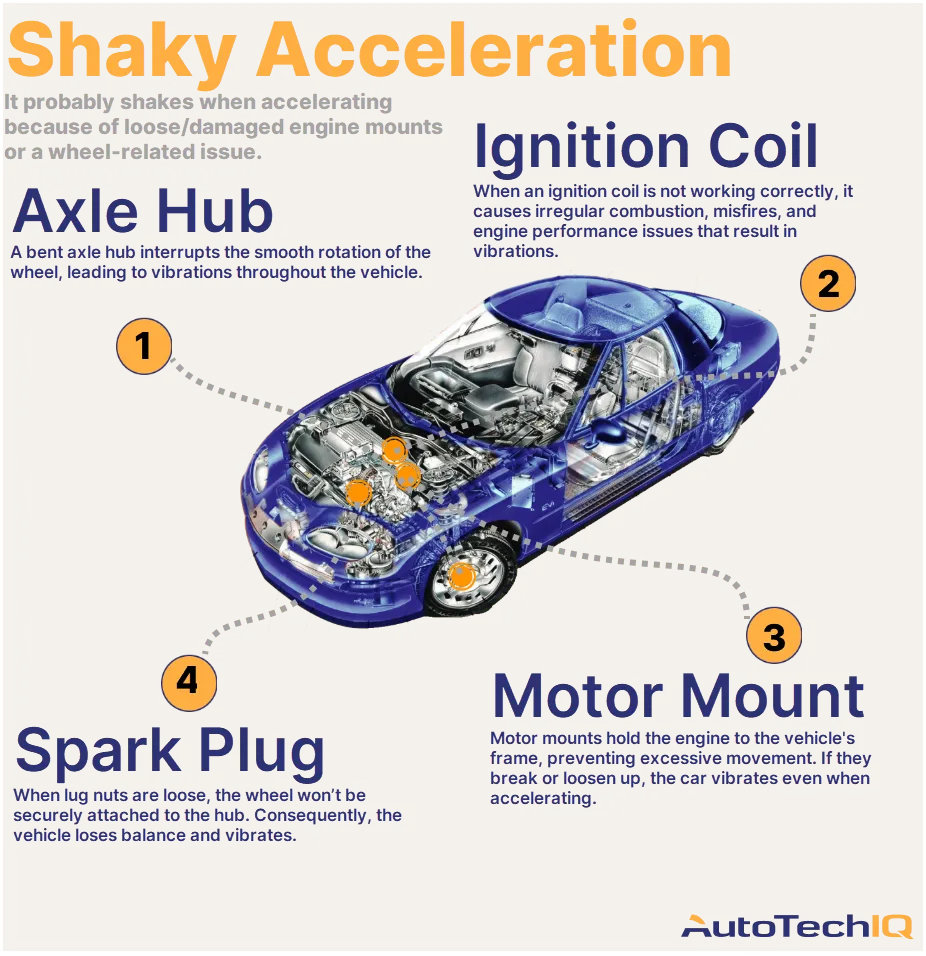
3. Engine And Transmission Mounts
Your Jeep’s engine and transmission mounts hold the heavy engine and transmission in place. If these mounts break or wear out, the engine moves more than it should, causing the whole vehicle to shake when accelerating.
4. Faulty Axles Or Cv Joints
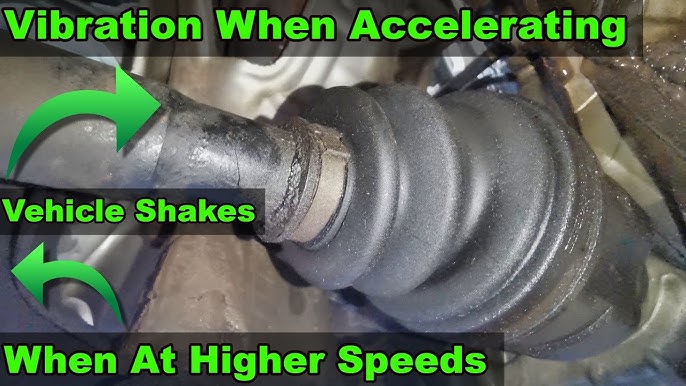
Axles and CV (constant velocity) joints allow your wheels to turn and move up and down. When these parts wear out, they make clicking or knocking sounds along with vibration.
- Damaged CV boots: Torn boots let dirt in, causing joint failure.
- Bent axle: Hard impacts can bend an axle, creating vibration at certain speeds.
5. Suspension Problems
A worn or damaged suspension will not absorb road bumps properly. This can lead to shaking, especially when you speed up.
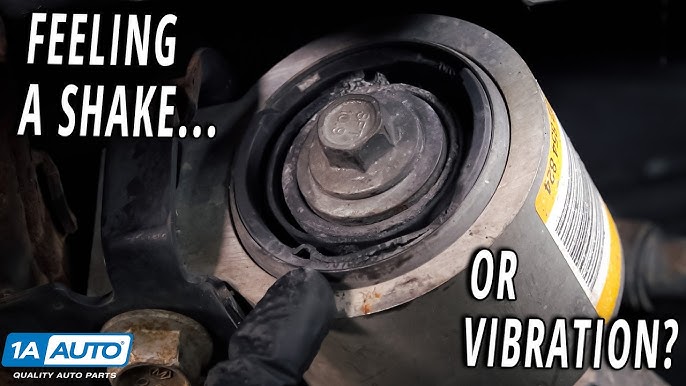
- Worn bushings: Rubber bushings help cushion suspension parts. If they dry out or crack, vibration increases.
- Bad shocks or struts: When these lose their strength, the ride becomes rough and shaky.
6. Transmission Or Differential Issues
Transmission and differential gears transfer power to your wheels. If these gears are worn, out of alignment, or low on fluid, you’ll feel vibration under load.
7. Misfiring Engine
Sometimes, engine problems like a misfire cause shaking while accelerating. This is less common but can happen if spark plugs, ignition coils, or fuel injectors are failing.
How To Diagnose The Cause
Finding the root of the vibration helps you fix it faster and cheaper. Here’s a simple way to begin:
| Symptom | Possible Cause | Quick Check |
|---|---|---|
| Shakes only when accelerating | Driveshaft, axles, CV joints | Look for damaged joints or leaks |
| Shakes at all speeds | Tires, wheels | Check tire wear, balance |
| Shakes with engine noise | Engine misfire | Check engine light, rough idle |
| Shakes after hitting a bump | Suspension | Inspect shocks, bushings |
If you’re unsure, a qualified mechanic can diagnose the problem using special tools and tests.
Real-world Examples
To make things clearer, here are some real Jeep scenarios:
- Off-road Jeep Wrangler: After a weekend on muddy trails, the owner feels vibration at 40 mph. Cleaning mud from the wheels and rebalancing the tires fixes the issue.
- Daily driver Cherokee: The driver hears a clunk and feels shaking only when accelerating hard. The cause? A worn U-joint on the driveshaft.
- Older Grand Cherokee: The Jeep shakes at low speeds and idles roughly. It turns out to be a misfiring engine due to old spark plugs.
Fixing Jeep Vibration Issues
Once you know the cause, you can take action. Here are the most common fixes:
- Balance or replace tires: Most tire shops can check and fix imbalances in less than an hour.
- Replace worn U-joints or driveshaft: Not a DIY job for most, but essential for safety.
- Check and replace engine/transmission mounts: Cracked or broken mounts must be replaced.
- Repair or replace axles and CV joints: Torn boots or worn joints need urgent attention.
- Inspect and fix suspension parts: Worn bushings, shocks, or struts should be replaced.
- Repair engine problems: Change spark plugs, coils, or injectors if needed.
Never ignore vibrations, as small issues can become expensive repairs if left unfixed.
How To Prevent Jeep Vibration
Regular care helps avoid most vibration problems. Here’s what you can do:
- Rotate and balance tires every 5,000-7,000 miles.
- Inspect suspension and drivetrain during oil changes.
- Avoid harsh off-roading unless your Jeep is built for it.
- Wash undercarriage after mud or snow driving to remove debris.
- Check for leaks or torn boots on axles and CV joints.
These steps keep your Jeep running smoother and save you money.
Cost Comparison: Common Jeep Vibration Repairs
How much will repairs cost? Here’s a simple comparison for common fixes:
| Repair | Average Cost (Parts & Labor) |
|---|---|
| Tire balance | $40–$80 |
| U-joint replacement | $150–$250 |
| CV joint/axle replacement | $300–$600 |
| Engine mount replacement | $200–$450 |
| Spark plug replacement | $100–$200 |
Prices may vary based on Jeep model, location, and shop rates.
Non-obvious Insights
Some Jeep owners overlook simple causes:
- Aftermarket wheels: Wheels not designed for Jeeps can cause balance problems, even if new.
- Lift kits: If you’ve installed a lift, driveshaft angles may change, stressing U-joints and causing vibration. Always check driveline angles after a suspension lift.
Frequently Asked Questions