If you own a Jeep and notice it's louder than other vehicles, you're not alone. Many Jeep drivers experience excessive noise—sometimes it’s a deep rumble, sometimes a high-pitched whine.
Understanding where these sounds come from is important. A loud Jeep can mean fun for some, but it may signal trouble to others.
Let's dive into the reasons your Jeep sounds loud, how to spot serious issues, and what you can do to quiet things down.

Common Reasons Your Jeep Sounds Loud
Several factors make Jeeps louder than regular cars. Some noises are normal, others point to problems.
1. Engine Design
Jeeps, especially models like the Wrangler or Gladiator, have engines built for power. The 3.6L Pentastar V6 or 2.0L turbo engines create a distinct engine note. Unlike sedans, Jeeps don’t prioritize quietness. Their engines are exposed, and soundproofing is minimal.
2. Tire Size And Type
Jeep owners often use off-road tires. These tires are larger and have aggressive tread patterns. They grip dirt well but make more noise on pavement. For example, mud-terrain tires can be up to 10 decibels louder than standard all-season tires.
3. Exhaust System Modifications
Many Jeep drivers upgrade to aftermarket exhausts for performance or a deeper sound. These exhausts are less restrictive, letting more sound escape. Even stock exhausts may get louder if they rust or develop holes.
4. Loose Or Damaged Parts
Parts under the Jeep—like heat shields, suspension, or exhaust hangers—can loosen over time. When they vibrate, they create rattling or banging sounds.
If you hear clanking, check for loose bolts.
5. Wind And Road Noise
Jeeps have a boxy design, especially Wranglers. Their flat windshield and removable roof panels allow more wind noise. Soft tops are noisier than hard tops. At highway speeds, wind noise may increase by up to 30% compared to SUVs.
6. Transmission And Differential Whine
If your Jeep has a four-wheel drive system, transfer cases and differentials may make whining noises. Worn gears or low fluid can amplify this sound.
Diagnosing Loud Jeep Sounds
Identifying the cause of loudness helps you decide whether to fix it or leave it as part of the Jeep experience.
Listening For Trouble
- Rumbling or roaring: Usually tires or exhaust.
- Whining or humming: Transmission, differential, or wheel bearings.
- Rattling or clanking: Loose parts under the vehicle.
- Hissing: Air leaks in intake or exhaust.
Visual Inspection
Check these areas first:
- Exhaust system: Look for rust, holes, or loose hangers.
- Tires: Inspect for uneven wear or damage.
- Roof and doors: Make sure seals are intact.
- Suspension: Check for broken or loose parts.
Comparing Jeep Noise Levels
Here’s a quick look at how Jeep noise compares to other vehicles:
| Vehicle Type | Average Cabin Noise (dB) | Reason for Difference |
|---|---|---|
| Jeep Wrangler | 70–75 | Boxy shape, minimal insulation |
| Honda CR-V | 65–67 | Better soundproofing |
| Ford F-150 | 68–70 | More aerodynamic |
Should You Be Concerned?
Not every loud sound means a problem. Jeeps are built to be rugged, so a bit of noise is normal. But certain noises require attention:
- Sudden changes: If your Jeep becomes louder quickly, check for damage.
- Metallic or grinding sounds: These are often signs of mechanical failure.
- High-pitched whines: May signal issues with gears or bearings.
- Exhaust leaks: Dangerous fumes can enter the cabin.
If unsure, consult a mechanic. Ignoring unusual noises may lead to costly repairs.
How To Reduce Jeep Noise
You can make your Jeep quieter with some simple steps.
- Upgrade tire type: Choose all-terrain or highway tires for less noise.
- Check and replace seals: Roof, door, and window seals cut wind noise.
- Inspect exhaust system: Repair leaks or upgrade to a quieter muffler.
- Add soundproofing: Use insulation mats under carpets and inside doors.
- Maintain suspension: Replace worn bushings or shocks to reduce rattling.
Jeep Soft Top Vs Hard Top Noise Comparison
Choosing a roof type affects loudness.
| Top Type | Highway Noise (dB) | Durability |
|---|---|---|
| Soft Top | 75–78 | Prone to wear |
| Hard Top | 70–72 | Long-lasting |
What Makes Jeep Noise Unique?
Jeeps stand out for their rugged build and off-road capability. The noise is part of the experience. Some owners even prefer it—the roar of big tires, the wind with the roof off, and the growl of the engine. But it’s important to know the difference between enjoyable noise and dangerous noise.
Factory Vs Aftermarket Upgrades
Many Jeep owners install aftermarket parts. These can make a Jeep louder:
- Lift kits: Change suspension geometry, causing more road noise.
- Performance exhausts: Increase engine sound.
- Bigger tires: Add vibration and rumble.
Not all upgrades are bad. But they may add noise, so consider your comfort and needs.
Jeep Models Noise Comparison
Different Jeep models have different noise levels. Here’s a comparison:
| Model | Typical Noise Level (dB) | Main Noise Source |
|---|---|---|
| Wrangler | 72–75 | Wind, tires |
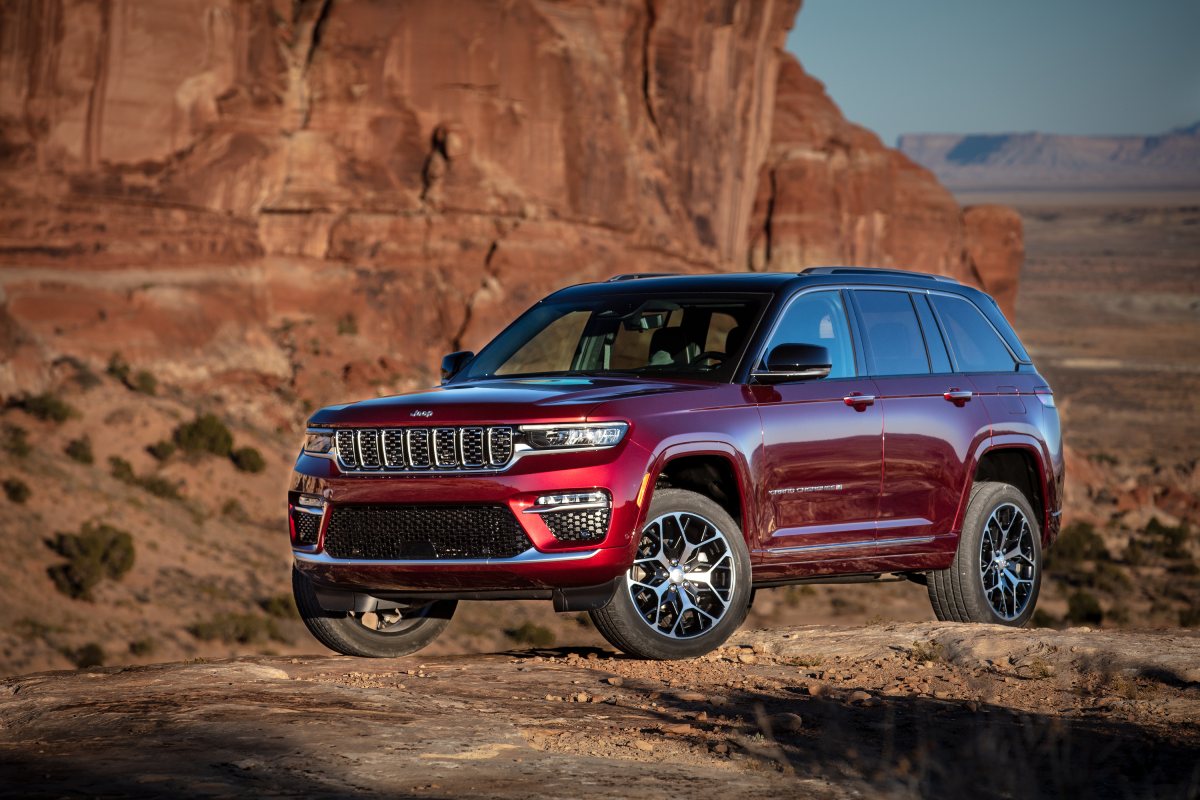
| Grand Cherokee | 66–68 | Engine, road |
| Renegade | 68–70 | Engine, road |
Frequently Asked Questions