If you own a Jeep and suddenly notice a sweet, chemical smell inside or around your vehicle, it’s natural to feel concerned. That scent is often a sign of antifreeze (also called coolant) leaking from your Jeep’s engine or cooling system.
Ignoring this smell can lead to bigger problems, including engine damage or even overheating. Let’s explore why your Jeep might smell like antifreeze, how to identify the source, and what you can do to fix it before it becomes a serious issue.
Common Reasons Your Jeep Smells Like Antifreeze
Several problems can cause a coolant smell. Knowing the most likely causes helps you find and solve the issue faster.
1. Leaking Radiator Or Hoses
The radiator and its attached hoses carry coolant between the engine and the radiator. If they develop cracks or holes, even small leaks can release antifreeze vapors. These vapors often enter the cabin through the air system, creating that sweet smell.
2. Failing Heater Core
The heater core is a small radiator inside your dashboard. It heats air for your cabin using engine coolant. When the heater core leaks, antifreeze can drip onto the floor or evaporate into the cabin. You might also notice your windows fogging up or a damp carpet on the passenger side.
3. Faulty Water Pump
The water pump moves coolant through your engine. If the pump’s seal fails, coolant can leak onto the engine or the ground. A failing water pump may also make a grinding sound or cause your engine to overheat.
4. Blown Head Gasket
A head gasket keeps coolant and engine oil separate. If it fails, coolant can enter the combustion chamber or leak outside the engine. This is a serious issue and may cause white exhaust smoke, loss of power, or even engine failure.
5. Damaged Coolant Reservoir
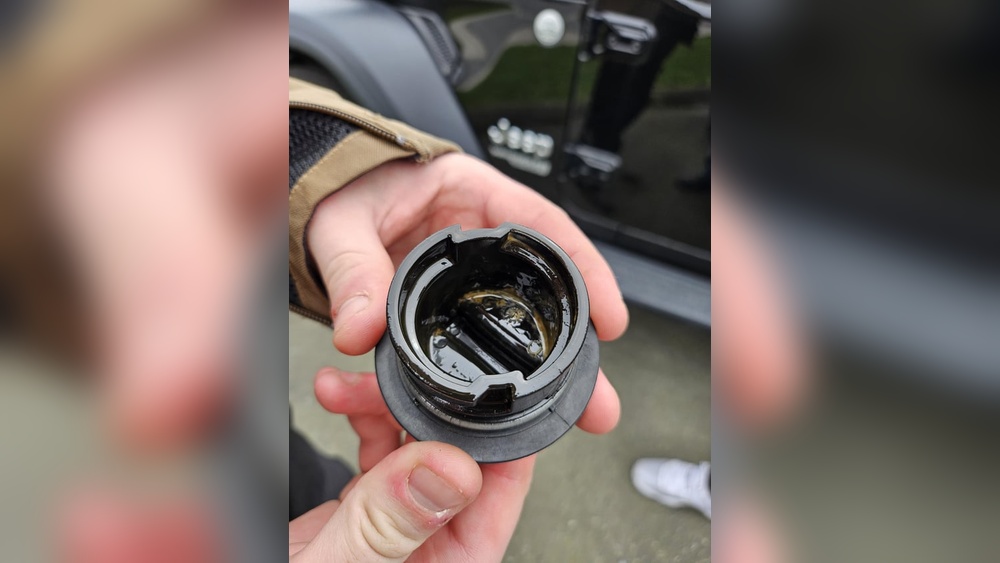
The coolant reservoir holds extra coolant and helps maintain pressure. Cracks or worn caps can allow fumes to escape. You might notice a puddle of green or orange liquid under your Jeep.
How To Diagnose The Source Of The Smell
Finding the source of a coolant smell can be tricky. Here’s a step-by-step approach to help you locate the problem.
- Check the Ground: After parking overnight, look for colored spots or puddles under your Jeep. Coolant is usually green, orange, or pink.
- Open the Hood: With the engine cool, inspect the radiator, hoses, and reservoir. Look for wet spots, crusty residue, or loose clamps.
- Inspect the Cabin: Smell the air from your vents. A strong odor inside often points to the heater core.
- Monitor the Temperature Gauge: If your Jeep runs hotter than normal, it may signal a coolant leak or low coolant.
- Check Coolant Level: Make sure the coolant is at the correct level. Low coolant means there’s likely a leak somewhere.
Example: Jeep Wrangler Leak
For example, many Jeep Wrangler owners report heater core leaks after 100,000 miles. They notice a sweet smell, wet passenger carpet, and a drop in coolant level.
What To Do If You Smell Antifreeze
If you notice an antifreeze smell, don’t ignore it. Even small leaks can lead to engine overheating or expensive repairs.
- Top Up Coolant: Add coolant if the level is low, but only as a temporary fix.
- Turn Off the Heater: This reduces the risk of coolant entering the cabin if the heater core is leaking.
- Schedule a Repair: Visit a mechanic to diagnose and fix the leak as soon as possible.
- Watch for Warning Signs: If you see white smoke, overheating, or engine misfires, stop driving immediately.
Comparing Common Leak Sources
Here’s a quick comparison of the most common leak sources and their warning signs:
| Part | Warning Sign | Repair Cost (USD) |
|---|---|---|
| Radiator | Puddle under front, steam, overheating | $300–$900 |
| Heater Core | Cabin smell, wet carpet, foggy windows | $600–$1200 |
| Water Pump | Coolant dripping, engine noise | $400–$800 |
| Head Gasket | White smoke, loss of power, overheating | $1200–$2500 |
| Coolant Reservoir | Visible cracks, coolant under Jeep | $80–$250 |
Preventing Coolant Leaks In Your Jeep
Regular checks and maintenance can help you avoid most coolant problems.
- Inspect Hoses and Clamps every oil change.
- Flush Coolant every 2–3 years or 30,000 miles.
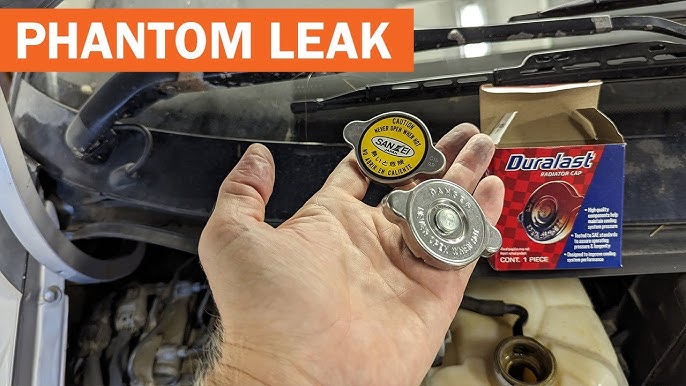
- Replace Radiator Cap if it feels loose or damaged.
- Watch for Overheating signs and respond quickly.
- Use the Right Coolant: Mixing types can cause leaks or corrosion.
Data: Coolant Leak Frequency
Let’s compare how often coolant leaks appear in different Jeep models (based on owner surveys):
| Model | Years Most Affected | Common Leak Area |
|---|---|---|
| Wrangler | 2012–2017 | Heater core, hoses |
| Cherokee | 2014–2019 | Radiator, water pump |
| Grand Cherokee | 2011–2018 | Reservoir, radiator |
When To Seek Professional Help
While some leaks are easy to spot, others require a trained mechanic. For example, a head gasket failure or a hidden heater core leak needs special tools and experience to fix. If you’re unsure, or if you notice repeated coolant loss, get your Jeep checked by a professional. Driving with a coolant leak can quickly cause major engine damage.
Non-obvious Insights Most Owners Miss
Many Jeep owners think a small coolant smell is just a minor annoyance. In reality, even a small leak can lower pressure in the cooling system, making the engine run less efficiently or even causing sudden overheating on the highway. Another detail often missed: some coolant leaks only appear when the engine is hot and pressurized. That’s why a mechanic may perform a pressure test to find leaks that don’t show up when the engine is cold.
Also, using the wrong coolant type—mixing orange (OAT) with green (IAT), for example—can cause chemical reactions inside the radiator, leading to sludge and leaks. Always check your owner’s manual for the right fluid.
Frequently Asked Questions