Driving your Jeep and suddenly feeling it shut off is not only scary—it can also be dangerous. Many Jeep owners face this problem, but few understand why it happens or how to fix it.
If your Jeep shuts off while driving, you’re not alone. This guide explains the main causes, how to spot the warning signs, and what you can do to keep your vehicle safe and reliable.
Common Reasons Your Jeep Shuts Off While Driving
Understanding why your Jeep stalls is the first step to finding the solution. Some causes are simple, while others need professional help. Let’s break down the most frequent reasons.
Faulty Crankshaft Position Sensor
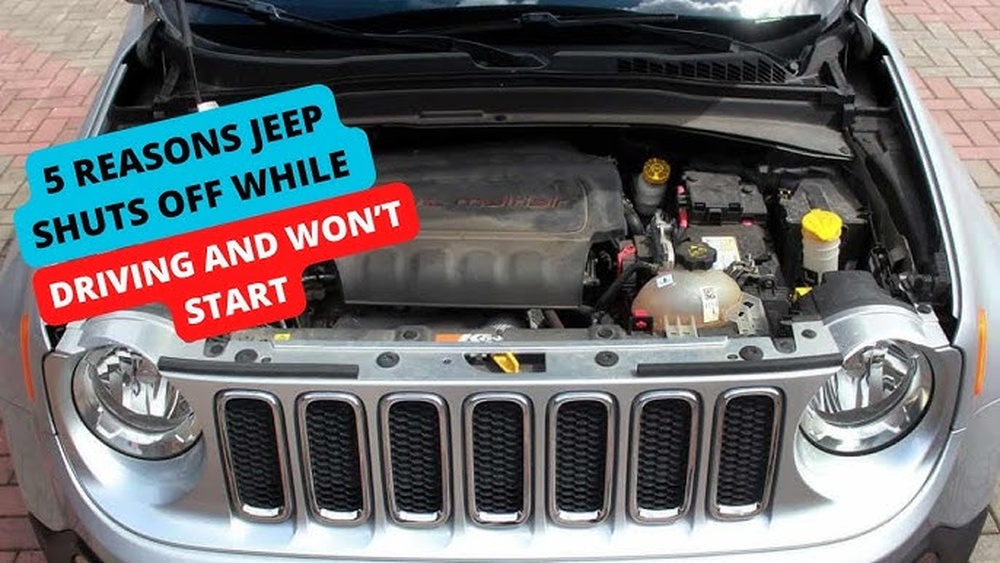
A common issue for Jeeps is a bad crankshaft position sensor. This sensor tells the engine computer where the crankshaft is. If it stops working, your engine may shut off suddenly. In many cases, the engine will not restart until the sensor cools down.
Problems With Fuel Delivery
If your Jeep is not getting enough fuel, it can stall. Causes include:
- Weak fuel pump
- Clogged fuel filter
- Dirty fuel injectors
These problems prevent the engine from getting the fuel it needs. Sometimes, the Jeep may run fine at low speeds but shut off at higher speeds.
Electrical Issues
Electrical faults are tricky and can cause random shutdowns. Look for:
- Loose battery cables
- Bad alternator
- Corroded wiring
A sudden loss of power from these issues will make your Jeep stall. Older Jeeps are more likely to have worn wires and connectors.
Engine Control Module (ecm) Failure
The ECM is the computer that runs your Jeep. If it fails, your Jeep can shut off without warning. ECM issues usually cause other symptoms, such as trouble starting or strange dashboard lights.
Ignition Switch Problems
A bad ignition switch can cut off power to the engine. If your Jeep shuts off while driving and all dashboard lights go dark, the ignition switch may be to blame.
How To Diagnose The Problem
Finding the exact cause can save time and money. Here’s how you can begin.
Check For Error Codes
Most modern Jeeps have OBD-II diagnostic systems. Use a scanner to check for error codes. These codes can point directly to the problem, such as a faulty sensor or fuel issue.
Listen For Warning Signs
- Engine hesitates or loses power
- Dashboard warning lights
- Jeep stalls and restarts after cooling down
These signs help narrow down the cause. For example, a Jeep that only stalls when hot may have a crankshaft sensor problem.
Inspect Key Components
Look at the battery, alternator, and wiring. Check for loose connectors or corrosion.
Inspect the fuel filter and pump if you suspect a fuel problem.
Jeep Models With Frequent Shut-off Issues
Some Jeep models are known for this problem more than others. Here’s a quick comparison.
| Jeep Model | Years Most Affected | Common Cause |
|---|---|---|
| Jeep Grand Cherokee | 2011–2014 | Faulty crankshaft sensor |
| Jeep Wrangler | 2007–2011 | ECM failure |
| Jeep Liberty | 2002–2007 | Fuel pump issues |
What To Do If Your Jeep Shuts Off While Driving
Staying calm and taking the right steps can protect you and your Jeep.
- Pull over safely. Try to steer your Jeep to the side of the road.
- Restart the engine. Sometimes, the Jeep will restart after a few minutes.
- Check for warning lights. Note any dashboard signals.
- Call for help. If your Jeep won’t restart, contact roadside assistance.
Preventive Steps To Avoid Shut-offs
You can reduce the risk of your Jeep shutting off by following these steps.
- Regular maintenance. Change the fuel filter, inspect wires, and check sensors.
- Inspect battery and alternator. Keep connections clean and tight.
- Watch for warning signs. Fix problems early before they cause shutdowns.
Here’s a quick maintenance comparison.
| Maintenance Task | Recommended Frequency | Impact on Shut-Off Risk |
|---|---|---|
| Change fuel filter | Every 30,000 miles | Reduces fuel delivery issues |
| Inspect sensors | Every 12 months | Detects electronic faults early |
| Clean battery terminals | Every 6 months | Prevents electrical shutdowns |
Non-obvious Insights Jeep Owners Often Miss
- Heat-related failures: Many sensors fail only when hot. If your Jeep stalls after driving for a while, let it cool, then try restarting. This points to a heat-sensitive sensor.
- Intermittent electrical faults: Sometimes, shutdowns happen only when hitting bumps or turning sharply. This can mean a loose wire or connector—not always a major part failure.
When To Seek Professional Help
If you’ve checked basic issues and your Jeep still shuts off, visit a trusted mechanic. Some problems, like ECM failure, need special tools and skills.
Ignoring repeated shutdowns can lead to bigger repair bills or unsafe driving.
For more technical details about Jeep electronics, you can visit Wikipedia.
Frequently Asked Questions
Why Does My Jeep Shut Off At High Speeds?
This often points to fuel delivery problems or a faulty crankshaft sensor. At high speeds, the engine needs more fuel and precise sensor readings. If either fails, your Jeep may stall suddenly.
Is It Dangerous If My Jeep Shuts Off While Driving?
Yes, it can be very dangerous, especially on busy roads. You lose steering and braking power. Always pull over safely and avoid driving until the problem is fixed.
Can A Bad Battery Cause My Jeep To Shut Off?
A weak battery can cause shutdowns, especially if the alternator is not charging. Electrical power is needed for the engine and sensors. Test your battery and alternator to rule this out.
How Much Does It Cost To Fix A Jeep That Shuts Off While Driving?
Costs depend on the cause. Sensor replacement may cost $100–$300. An ECM repair can be $500–$1,200. Simple fixes like cleaning battery terminals are cheap or free.
Will A Check Engine Light Always Appear Before My Jeep Shuts Off?
Not always. Some issues, like loose wires or ignition switch failures, may not trigger the check engine light. Use an OBD-II scanner for hidden codes, even if the dashboard shows nothing.
Your Jeep is a strong, reliable vehicle, but unexpected shutdowns must be addressed quickly. With the right knowledge and steps, you can stay safe and keep your Jeep running smoothly.
Regular maintenance and careful attention to warning signs make all the difference.
If problems continue, don’t hesitate to seek expert help—your safety comes first.