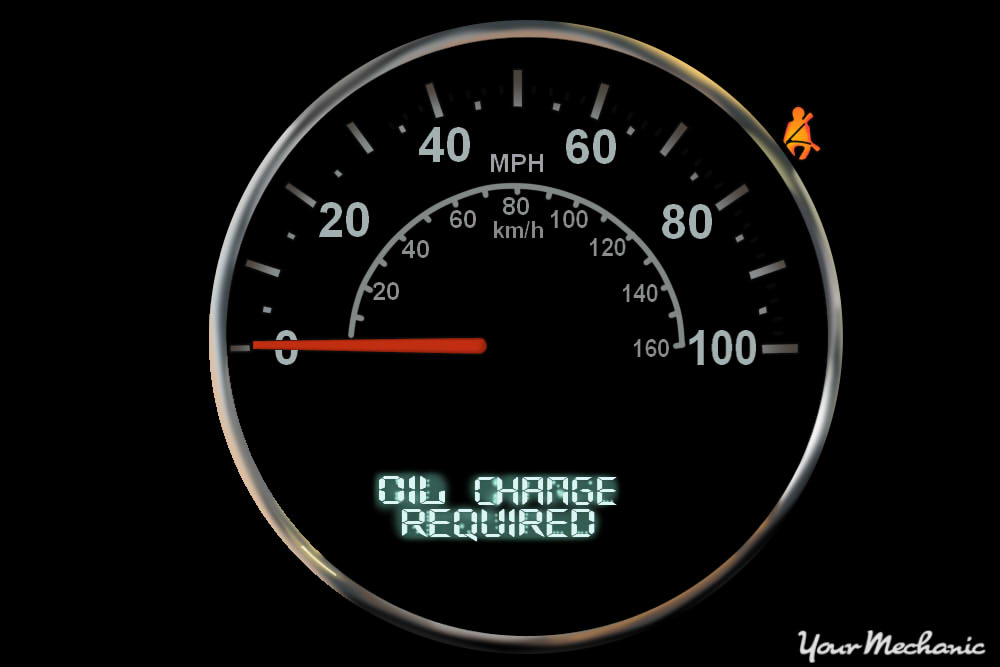
Why Does My Jeep Say Oil Change Required?
Seeing the "Oil Change Required" message on your Jeep’s dashboard can be confusing, especially if you recently changed the oil or are unsure what triggered it. This warning isn’t just a reminder—it’s a key part of your Jeep’s maintenance system.
Ignoring it could lead to engine problems, but overreacting isn’t helpful either. Let’s break down what this message means, why it shows up, and what you should do next.
What Triggers The “oil Change Required” Message?
Your Jeep uses a built-in oil life monitoring system. This system tracks engine conditions, not just mileage. While older vehicles relied only on set intervals (for example, every 3,000 or 5,000 miles), modern Jeeps consider:
- Engine hours (how long your engine runs)
- Driving habits (short trips vs. highway)
- Temperature changes
- Idling time
Once the system calculates that the oil quality is likely too low to protect the engine, it displays the oil change required alert.
Example: Two Jeeps, Different Messages
Imagine two Jeep Wranglers, both with 4,000 miles since their last oil change:
- Jeep 1: Mostly city driving, lots of short trips, frequent idling.
- Jeep 2: Mostly highway miles, steady speeds, few cold starts.
Jeep 1 may see the warning much sooner than Jeep 2—even with the same mileage—because city driving is harder on oil. This shows the system isn’t just counting miles.
What Should You Do When The Message Appears?
When you see “Oil Change Required,” it’s time to act, but not to panic. Here’s what you should do:
- Check your records. Did you recently change your oil? If so, the warning may need resetting.
- Inspect your oil. Use the dipstick to check the oil level and condition. Fresh oil is clear to amber, while dirty oil is dark or gritty.
- Schedule an oil change if it’s due. Delaying can risk engine damage.
- Reset the oil change indicator after an oil change (see below).
Resetting The Oil Change Indicator
If you (or your mechanic) just changed the oil, but the message remains, the oil life monitor probably needs to be reset. Most Jeeps let you do this from the driver’s seat:
- Turn ignition to “on” without starting the engine.
- Press the gas pedal slowly three times within 10 seconds.
- Turn off the ignition.
Check your owner’s manual for your model’s exact steps.
Why Does Jeep Use An Oil Life System?
Modern engines are expensive to repair. Jeep’s oil life system helps:
- Extend engine life by reminding you at the right time
- Avoid unnecessary oil changes (better for the environment)
- Save money on maintenance
This system is smarter than guessing or following old myths like “every 3,000 miles.” According to the Car Care Council, many vehicles can go 5,000 to 7,500 miles or more between oil changes, depending on driving conditions.
Is It Safe To Drive When The Warning Appears?
You don’t need to pull over immediately, but you shouldn’t ignore the warning for long. The system estimates oil life, so your oil might be losing its ability to protect the engine. If you delay too long, you risk:
- Reduced fuel efficiency
- Engine wear or overheating
- Costly repairs
A good rule: Schedule an oil change within 500 miles of seeing the warning.
Common Mistakes Jeep Owners Make
Even experienced drivers get confused by the oil change message. Here are some mistakes to avoid:
- Ignoring the warning. Delaying can cause engine problems.
- Resetting without changing oil. This tricks the system but risks engine damage.
- Relying only on mileage. City driving or towing wears out oil faster.
- Not checking oil level. Sometimes, low oil triggers warnings too.
How Jeep’s System Compares To Other Brands
Jeep’s oil life system is similar to those in other vehicles, but there are small differences. Here’s a comparison with two major brands:
| Brand | Factors Considered | Recommended Oil Change Interval |
|---|---|---|
| Jeep | Engine hours, driving habits, temperature | 5,000–7,500 miles (varies by model) |
| Honda | Engine load, temperature, start/stop cycles | 7,500–10,000 miles |
| Ford | Engine speed, idle time, operating conditions | 7,500 miles (typical) |

Signs That An Oil Change Is Really Needed
Besides the dashboard message, look for these signs:
- Oil appears dark, dirty, or gritty on the dipstick
- Engine runs louder than usual
- Decreased fuel efficiency
- Visible oil leak or burning smell
If you notice these, don’t wait—change your oil soon.
Choosing The Right Oil For Your Jeep
Not all oils are the same. Always use the type and grade recommended in your owner’s manual. Here’s a quick look at common options:
| Oil Type | Best For | Change Interval |
|---|---|---|
| Conventional | Older models, basic driving | 3,000–5,000 miles |
| Synthetic Blend | Mixed use, moderate climate | 5,000–7,500 miles |
| Full Synthetic | Newer engines, extreme conditions | 7,500–10,000 miles |
Using the wrong oil can affect performance and may void your warranty.
When The Warning Is Wrong: Sensor Issues
Sometimes, the oil change message comes on by mistake. Common causes:
- Faulty oil life sensor
- Electrical issues
- Software glitches
If you change your oil and reset the message, but it keeps returning, have your Jeep checked by a mechanic. Ignoring repeated false warnings can hide real problems.
Non-obvious Insights Most Jeep Owners Miss
- Oil life systems can’t test oil quality directly. They use math, not sensors, so changing oil ahead of schedule might still trigger a warning later.
- Aftermarket remote starters or radios can sometimes interfere with your Jeep’s electronics, causing false warnings.
Reliable Resources
For more on oil change intervals and engine care, see the official Jeep Maintenance Guide.
Frequently Asked Questions