If you drive a Jeep and hear a ticking noise, you’re not alone. Many Jeep owners worry when their vehicle starts making unexpected sounds.
A ticking noise can mean different things, from harmless quirks to serious engine issues. Understanding what causes this sound—and what to do about it—can save you stress, money, and time at the mechanic.
Let’s break down the common reasons, how to diagnose the problem, and what to expect.
Common Causes Of Ticking Noise In Jeeps
Jeep engines are known for their durability, but they can develop ticking sounds due to several reasons. Here are the most frequent causes:
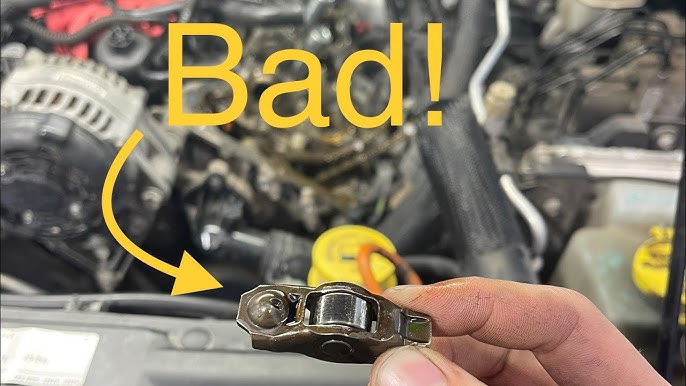
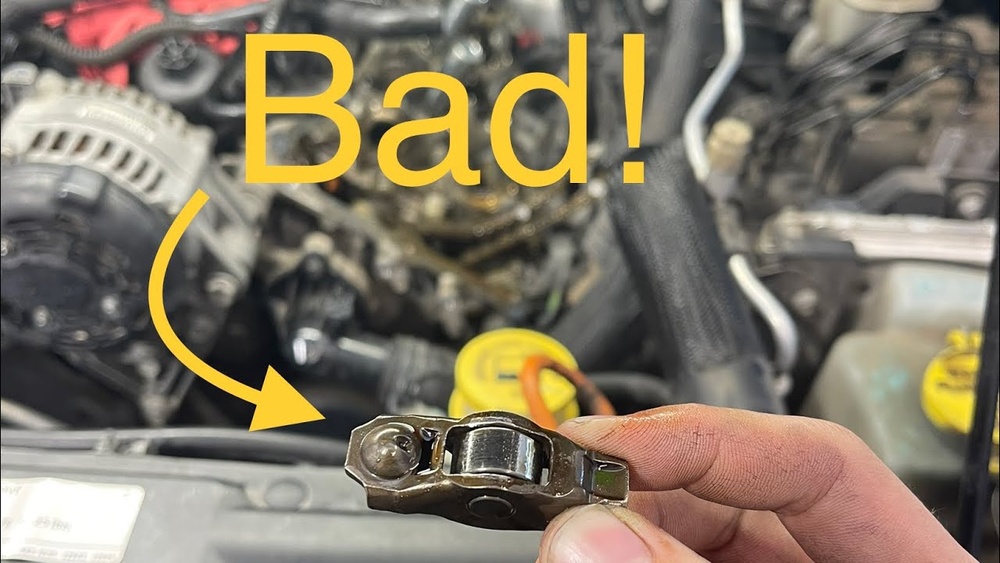
- Valve Train Issues: The most typical source is the valve train. If the lifters or rocker arms are worn or not getting enough oil, they may tick. This is especially common in older Jeeps or those with high mileage.
- Exhaust Leaks: A small leak at the exhaust manifold can create a rhythmic ticking. This happens when hot gases escape through a crack or loose gasket, often sounding louder when you accelerate.
- Fuel Injectors: Modern Jeeps use electronic fuel injectors. These create a clicking noise as they open and close rapidly. Usually, this is harmless and part of normal operation, but excessive ticking may signal a problem.
- Engine Oil Problems: Low oil level or dirty oil can cause ticking. Oil lubricates moving parts, so if it’s old or too low, friction increases and ticking may occur.
- Loose Spark Plugs: If spark plugs aren’t tight, combustion gases can escape, creating a tick.
- Timing Chain or Belt: A worn or stretched timing chain can produce ticking. If it’s ignored, it may cause serious engine damage.
- Accessory Components: Sometimes, belts, pulleys, or other accessories can tick, especially if they are worn or misaligned.
Here’s a quick comparison of common causes and their typical symptoms:
| Cause | Where Noise Comes From | Other Signs |
|---|---|---|
| Valve Train | Top of Engine | Loss of power, rough idle |
| Exhaust Leak | Engine Bay | Strong exhaust smell |
| Fuel Injectors | Engine | No other symptoms |
| Engine Oil | Entire Engine | Oil light, engine overheating |
| Spark Plugs | Near spark plug | Misfiring, check engine light |
How To Diagnose A Ticking Noise
Finding the source of a ticking noise can be tricky. Here are practical steps to help:
- Listen Carefully: Try to pinpoint where the noise comes from—top, bottom, or sides of the engine. Is it louder when cold or hot? Does it change with engine speed?
- Check Oil Level and Condition: Low or dirty oil is a common culprit. Pull out the dipstick and check the oil’s color and level.
- Inspect Spark Plugs: Remove and inspect each spark plug. Look for carbon build-up, cracks, or loose plugs.
- Look for Exhaust Leaks: Examine the exhaust manifold and pipes for visible cracks or soot stains. If you feel air blowing when the engine runs, you may have a leak.
- Use a Mechanic’s Stethoscope: This inexpensive tool lets you listen closely to different parts of the engine and isolate the sound.
- Observe Engine Performance: If you notice loss of power, rough idle, or warning lights, the ticking may be more serious.
- Consult Diagnostic Codes: Many Jeeps have OBD-II ports. Use a code reader to check for engine trouble codes.
Here’s a quick comparison of basic diagnostic steps and their effectiveness:
| Diagnostic Step | Time Required | Accuracy |
|---|---|---|
| Listen carefully | 5 min | Medium |
| Check oil | 5 min | High |
| Inspect spark plugs | 10 min | High |
| Look for leaks | 10 min | Medium |
| Mechanic’s stethoscope | 15 min | Very High |

When You Should Be Concerned
Not every ticking noise means danger. However, you should act quickly if:
- The sound gets louder or faster over time
- You notice engine performance problems
- The check engine light comes on
- The ticking continues after oil changes
Some ticking noises are harmless, like normal fuel injector operation. But if you notice other symptoms, it’s smart to get your Jeep checked by a professional.
What Repairs Might Cost
Repair costs can vary widely depending on the cause. Here’s a rough guide:
| Issue | Estimated Cost | Typical Repair Time |
|---|---|---|
| Valve train repair | $300–$1,000 | 4–8 hours |
| Exhaust manifold leak | $150–$500 | 2–5 hours |
| Fuel injector replacement | $200–$400 | 2–3 hours |
| Oil change | $40–$80 | 30 min |
| Spark plug replacement | $80–$150 | 1–2 hours |
Remember, costs depend on your Jeep’s model, age, and location.
Two Insights Most Beginners Miss
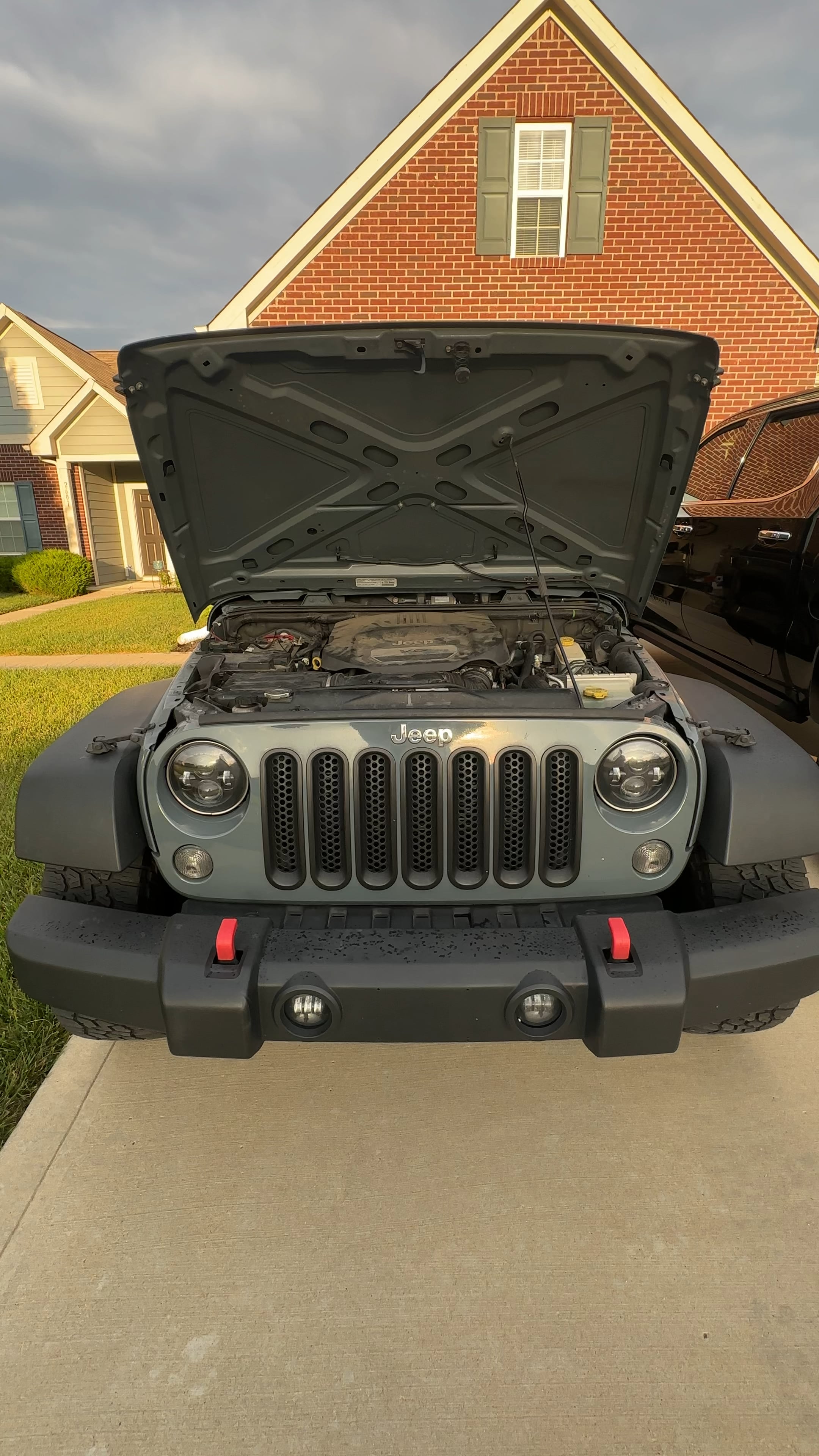
- Noise from the engine bay is not always the engine itself. Sometimes, the ticking comes from accessories like the alternator, belt tensioner, or even air conditioning components. Don’t focus only on the engine.
- Cold engine ticking is often normal. Many Jeeps tick a bit when cold because metal parts expand as they warm up. If the noise disappears after a few minutes, it’s usually not a problem.
Practical Tips To Prevent Ticking
- Change your engine oil and filter regularly using the recommended type.
- Inspect spark plugs and exhaust components every 20,000 miles.
- Avoid ignoring small noises. Early diagnosis prevents costly repairs.
- Use genuine Jeep parts for replacements to avoid compatibility issues.