When you hear a clicking noise from your Jeep, it’s hard to ignore. This sound can pop up when you start the engine, drive at low speed, or turn the steering wheel.
Many Jeep owners feel worried when they hear it for the first time. Is it dangerous?
Will it cost a lot to fix? The truth is, a clicking noise means something is not right, but finding the cause is not always easy.
Let’s look at why Jeeps make clicking noises, how to diagnose them, and what you should do next.
Common Causes Of Clicking Noises In Jeeps
A clicking noise can come from several parts of your vehicle. Some causes are simple and cheap to fix, while others can lead to bigger problems if ignored.
1. Bad Cv Joints
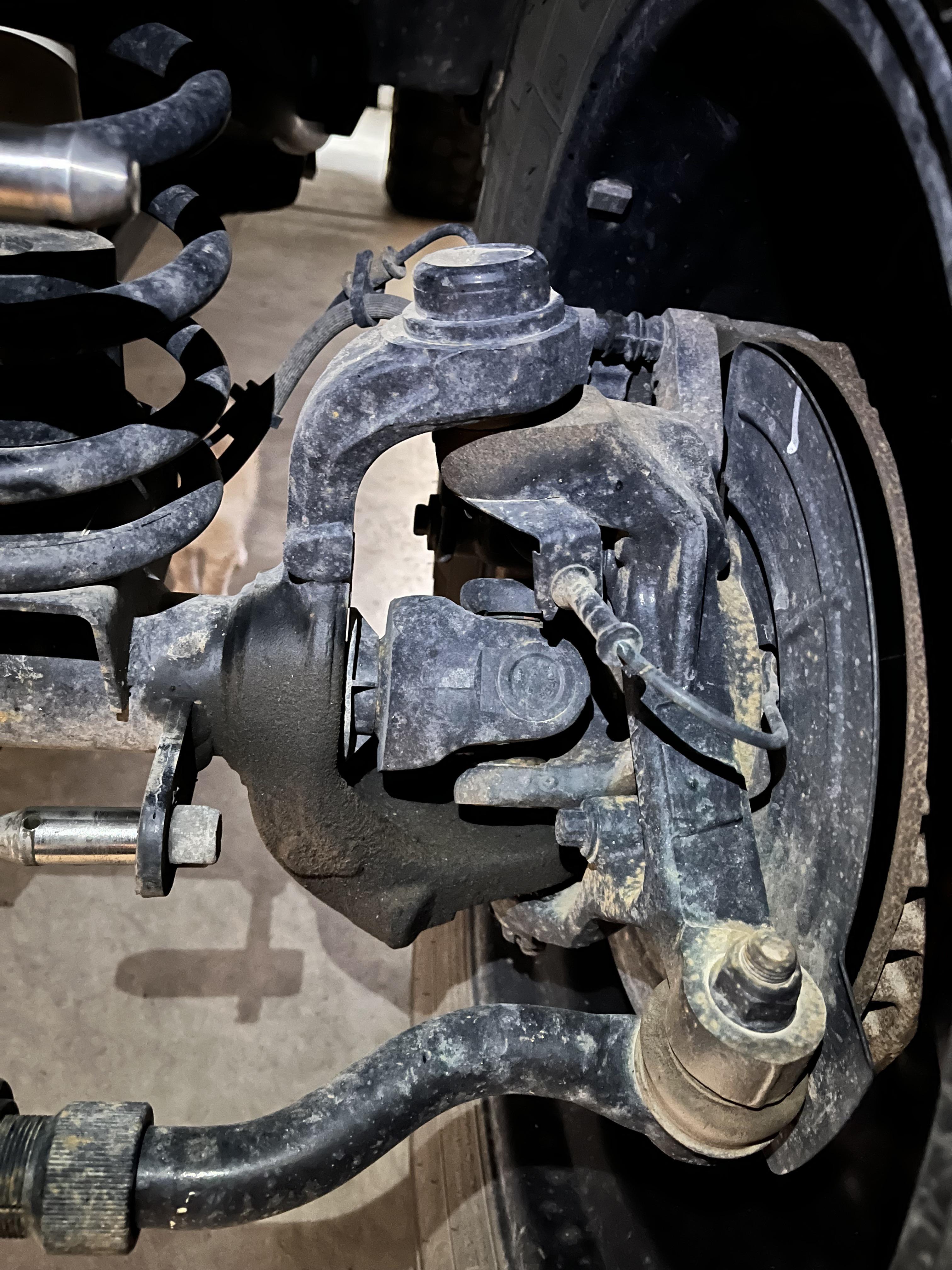
CV joints (constant velocity joints) connect your transmission to your wheels. When they wear out, they often make a clicking sound, especially when you turn the steering wheel. If you hear clicking during sharp turns, this is a strong sign.
2. Faulty U-joints
Jeeps use U-joints on their driveshafts. When these joints get dry or worn out, they can click, especially at low speeds or when shifting between drive and reverse. Ignoring this can lead to serious driveshaft failure.
3. Worn Brake Pads
Sometimes, brake pads develop a small metal tab called a wear indicator. When the pad wears down, the tab touches the rotor and makes a clicking or squealing noise. You might hear it when you press the brakes.
4. Loose Lug Nuts
If your lug nuts are loose, your wheel can move slightly and click as you drive. This is dangerous, as the wheel could come off. Always check your lug nuts if you hear a clicking noise after changing a tire.
5. Engine Valve Issues
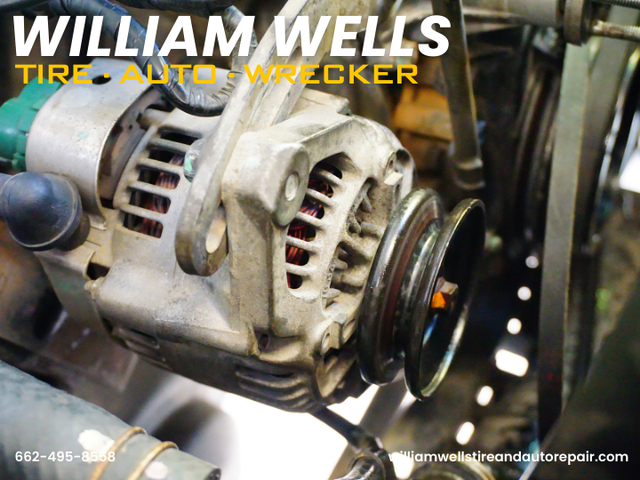
Inside your engine, valves open and close quickly. If there’s not enough oil or the lifters wear out, you might hear a rapid clicking from under the hood, especially at idle or low speed.
6. Objects In Tires
Small stones or debris can get stuck in your tire tread. As the tire rotates, the object clicks against the road or wheel well. This is usually harmless, but it’s easy to check and remove.
7. Failing Wheel Bearings
Wheel bearings allow your wheels to spin smoothly. When they start to fail, they can make a clicking or grinding sound, especially at higher speeds. This is a safety risk and should be fixed soon.
Below is a quick comparison of the most common causes and their warning signs.
| Cause | When Noise Happens | Danger Level |
|---|---|---|
| CV Joints | Turning | Medium |
| U-Joints | Low speed, shifting | High |
| Brake Pads | Braking | Medium |
| Lug Nuts | Anytime driving | Very High |
| Valve Issues | Idle, low speed | Medium |
| Debris in Tire | Rolling | Low |
| Wheel Bearings | High speed | High |
How To Diagnose A Clicking Noise
Finding the source of a clicking noise in your Jeep can save you money and stress. Here’s how to start:
- Listen Carefully: Is the noise coming from the front, rear, or under the hood? Does it happen when turning, braking, or accelerating?
- Check the Tires and Wheels: Look for stones or debris in the tread. Wiggle the wheels to test for loose lug nuts.
- Inspect Under the Vehicle: Look at the CV boots and U-joints for damage or leaking grease.
- Test the Brakes: Press the brake pedal while driving slowly in a safe area. If the noise changes, it could be the pads or rotors.
- Check Engine Oil: Low oil can cause valve noise. Check your dipstick and top up if needed.
- Drive in Circles: Find an empty lot and turn the wheel all the way left or right. If the clicking gets louder, suspect the CV joints.
Here’s a handy table comparing simple DIY checks versus when to visit a mechanic.
| Check | DIY? | Mechanic Needed? |
|---|---|---|
| Tire debris | Yes | No |
| Lug nuts | Yes | No |
| Brake pads | Maybe | Yes (if unsure) |
| CV/U-joints | No | Yes |
| Wheel bearings | No | Yes |
| Engine valves | No | Yes |
When Is A Clicking Noise Dangerous?
Not all clicking noises mean a serious problem, but some should not be ignored:
- Lug nuts: Driving with loose lug nuts is dangerous. Stop and fix this right away.
- Wheel bearings: A failed bearing can cause the wheel to lock or fall off.
- U-joints: If they break, your driveshaft can drop, which may cause an accident.
If you’re not sure, it’s safest to have a mechanic look at your Jeep. Most shops can quickly find the noise source.
Cost To Fix A Clicking Noise In A Jeep
The repair cost depends on what’s wrong. Here are some common repairs and their average price in the US:
| Repair Type | Estimated Cost | Time Needed |
|---|---|---|
| Remove debris | $0 (DIY) | 5 minutes |
| Tighten lug nuts | $0 (DIY) | 5 minutes |
| Replace CV joint | $300-$800 | 2-4 hours |
| Replace U-joint | $200-$400 | 1-2 hours |
| Brake pad replacement | $150-$300 | 1 hour |
| Wheel bearing | $350-$600 | 2-3 hours |
| Valve/lifter repair | $400-$1,000+ | 3+ hours |
Keep in mind, prices vary based on location and Jeep model.
Two Key Insights Most Jeep Owners Miss
- Regular maintenance prevents many clicking noises. Greasing U-joints, checking CV boots, and tightening lug nuts at every oil change can save you from expensive repairs.
- Ignoring small noises often leads to bigger, costlier problems. A simple click can turn into a broken part if left alone.
Frequently Asked Questions