Why Does My Jeep Idle High
If your Jeep is idling higher than normal, it can be frustrating and worrying. A high idle often means your engine runs faster than it should when you’re not pressing the gas pedal.
This can lead to wasted fuel, rough driving, and even damage to parts if not fixed.
Whether you own a Jeep Wrangler, Cherokee, or Grand Cherokee, high idle is a common issue. Understanding why this happens is the first step to getting your Jeep back to normal.
What Is Normal Idle For A Jeep?
Most Jeeps idle between 600–800 RPM (revolutions per minute) when warmed up. If you see your RPM gauge jumping above 1000 RPM and staying there, that’s considered high idle. Sometimes, the idle may start high and slowly drop as the engine warms, but it should stabilize quickly.
Here’s a quick comparison of normal vs. high idle ranges for popular Jeep models:
| Jeep Model | Normal Idle (RPM) | High Idle (RPM) |
|---|---|---|
| Wrangler (JK) | 650–750 | 1000+ |
| Cherokee (XJ) | 700–800 | 1100+ |
| Grand Cherokee (WJ) | 600–700 | 1000+ |
Common Causes Of High Idle In Jeeps
Several factors can cause your Jeep to idle high. Some are simple, while others require more attention.
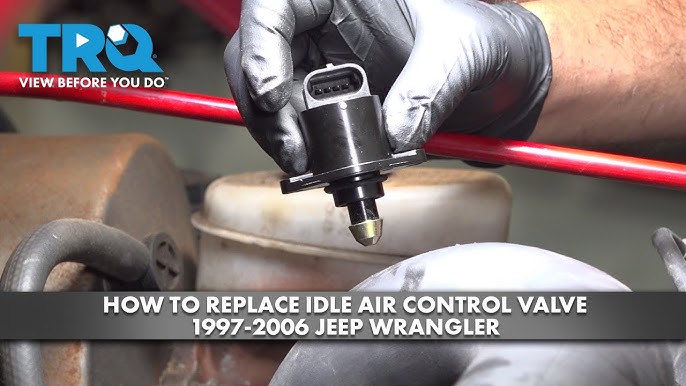
1. Faulty Idle Air Control (iac) Valve
The IAC valve controls how much air enters the engine when you’re not pressing the gas. If it sticks, gets dirty, or fails, your Jeep can idle higher than normal. Cleaning or replacing the IAC valve often solves the issue.
2. Vacuum Leaks
A vacuum leak happens when extra air enters the engine from a cracked hose or gasket. This tricks the engine into running faster. Listen for hissing sounds or check hoses for damage.
3. Throttle Body Problems
If the throttle body is dirty or the throttle plate is stuck open, air flows in uncontrollably. Cleaning the throttle body can lower the idle.
4. Bad Sensors
The engine control unit (ECU) depends on sensors like the coolant temperature sensor and throttle position sensor. If these sensors give wrong readings, the ECU may raise the idle. Replacing faulty sensors usually fixes this.
5. Electrical Issues
Loose wires, bad grounds, or a failing ECU can cause high idle. These are less common but should not be ignored.
6. Aftermarket Modifications
Adding performance parts or changing the exhaust can affect idle speed. Always check your modifications if you notice changes after upgrades.
Here’s a table showing symptoms and quick checks for each cause:
| Cause | Symptom | Quick Check |
|---|---|---|
| IAC Valve | Erratic idle, high RPM | Inspect, clean, or replace |
| Vacuum Leak | Hissing noise, rough idle | Spray carb cleaner on hoses |
| Throttle Body | Sticky throttle, high idle | Clean throttle body |
| Sensors | Check engine light, high idle | Scan codes, replace sensors |
| Electrical | Random idle spikes | Check wiring and grounds |
| Modifications | Idle change after upgrades | Review recent mods |
Diagnosing The Problem: Step-by-step
Finding the real cause of high idle takes a bit of detective work. Here’s a practical guide:
1. Check For Codes
Use an OBD-II scanner to check for error codes. Codes like P0507 (Idle Control System Higher Than Expected) point to specific issues.
2. Inspect Vacuum Lines
Look for cracked, loose, or broken hoses. Use carburetor cleaner spray—if the idle changes, you found a leak.
3. Clean The Throttle Body
Remove the air intake and spray throttle body cleaner. Wipe away carbon buildup.
4. Test The Iac Valve
Remove and clean the IAC valve. If it’s damaged, replace it.
5. Check Sensors
Use the scanner to check readings from the coolant temperature sensor and throttle position sensor. Replace if readings are off.
6. Review Electrical Connections
Check battery grounds and wiring for looseness or corrosion.
Two non-obvious tips most beginners miss:
- Temperature matters: A cold engine idles higher to warm up. Wait until your Jeep is fully warmed before diagnosing.
- Aftermarket air filters can sometimes let in too much air, causing a high idle. If you’ve just changed your filter, try the original one.
How High Idle Affects Your Jeep
A high idle is more than just annoying. It can lead to:
- Increased fuel consumption: Your Jeep uses more gas at higher RPMs.
- Premature engine wear: Constant high idle stresses engine parts.
- Transmission issues: High idle can cause rough shifting.
- Failed emissions tests: Excessive idle often means higher emissions.
According to the US Department of Energy, idling wastes up to 0.5 gallons of fuel per hour. Over a month, this can add up to extra $20–$30 in fuel costs.

Fixing High Idle: What To Do Next
Fixing high idle can be simple or complex. Here’s what you should do:
- Start with easy checks: Inspect hoses and clean the throttle body.
- Scan for codes: Use a scanner to pinpoint sensor issues.
- Replace faulty parts: Sensors and IAC valves are common fixes.
- Seek professional help if the problem continues.
If you’re unsure, a certified mechanic can run advanced diagnostics. Jeep forums and guides can also help—try the official Jeep website for reliable info.
Frequently Asked Questions
Why Does My Jeep Idle High After Starting?
A cold engine idles higher to warm up. If the high idle doesn’t drop after a few minutes, check for vacuum leaks or a bad IAC valve.
Can High Idle Damage My Jeep?
Yes, long-term high idle increases fuel use, wears engine parts faster, and may affect the transmission. Fix it quickly to avoid bigger repairs.
Is It Safe To Drive With High Idle?
It’s possible but not recommended. High idle can make your Jeep lurch or shift roughly, which is unsafe in traffic.
How Much Does It Cost To Fix High Idle?
Simple fixes like cleaning the throttle body cost $20–$50. Replacing sensors or valves can cost $80–$200. Complex electrical problems may be more expensive.
Will Resetting The Ecu Fix High Idle?
Sometimes, resetting the ECU helps if the issue is electronic. Disconnect the battery for 15 minutes, then reconnect.
If idle remains high, further checks are needed.
Fixing high idle keeps your Jeep running smoothly, saves fuel, and prevents future problems. Understanding the causes and taking action will get you back on the road with confidence.