If your Jeep suddenly loses power while driving and a warning light pops up, you might be experiencing something called limp mode. This feature is built into many modern Jeeps to protect the engine and transmission from serious damage.
It can feel stressful and confusing when your vehicle won’t go over a certain speed or shift properly. But understanding why limp mode happens can help you respond quickly and avoid bigger problems.
What Is Limp Mode?
Limp mode is a safety function in your Jeep’s computer system. When the system detects a problem that could harm the engine or transmission, it limits your vehicle’s power and speed. Usually, you’ll notice that the Jeep won’t accelerate well, shifts roughly, or stays stuck in one gear (often second or third). This gives you time to get off the road safely and prevents further damage.
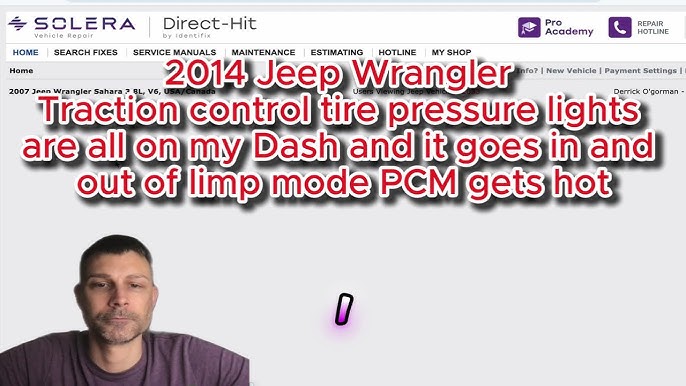
Some common signs of limp mode:
- Reduced acceleration
- Stuck in low gear
- Check Engine or Transmission light on
- Maximum speed of 30-45 mph
Common Reasons Your Jeep Goes Into Limp Mode
There are several issues that can trigger limp mode. Here are the most frequent causes:
1. Transmission Problems
If your Jeep’s transmission fluid is low, dirty, or leaking, the sensors may detect an unsafe condition. Transmission solenoid failures or electronic issues can also cause limp mode.
2. Sensor Failures
Modern Jeeps have many sensors (like the mass airflow sensor or throttle position sensor). If one fails or sends confusing data, the computer may limit power to protect the engine.
3. Electrical Problems
Loose wiring, corroded connectors, or a weak battery can disrupt signals to the engine or transmission. Even a bad ground connection can trigger limp mode.
4. Engine Issues
Problems like overheating, low oil pressure, or a misfiring cylinder can prompt limp mode. The system reacts fast to prevent engine damage.
5. Faulty Or Clogged Parts
A blocked catalytic converter or dirty air filter can reduce airflow and trigger limp mode. A stuck EGR valve or bad fuel injector may also be a culprit.
Example: Transmission Fluid Problems
A 2015 Jeep Grand Cherokee owner reported their SUV suddenly went into limp mode while driving uphill. The dealer found the transmission fluid was low and dark.
After a fluid change and leak repair, limp mode stopped.
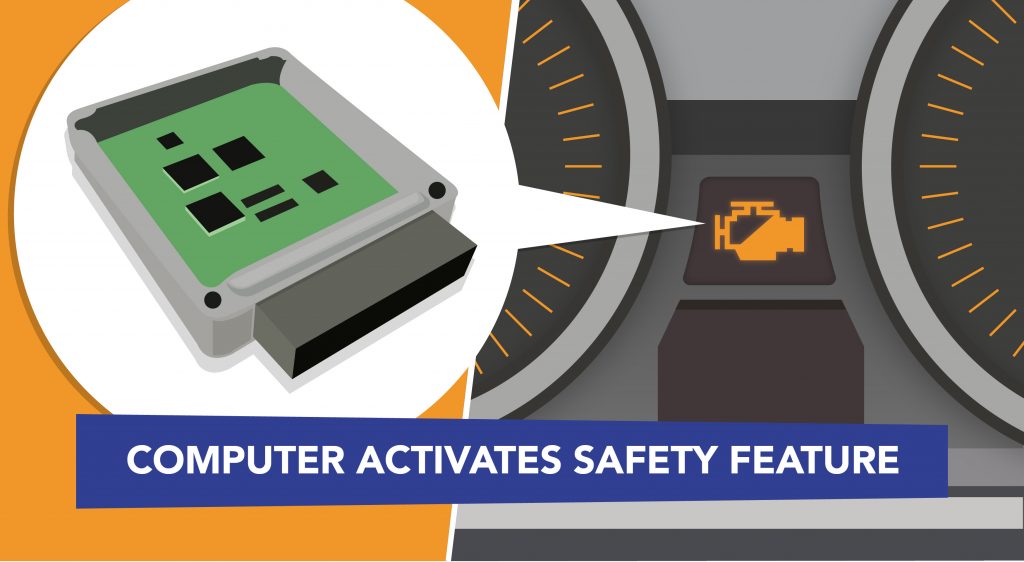
How Your Jeep’s Computer Decides To Enter Limp Mode
Your Jeep uses an ECU (Engine Control Unit) and a TCU (Transmission Control Unit). These computers constantly check data from sensors all over the vehicle. If any value goes outside a “safe” range, limp mode is activated instantly.
Here’s a comparison of normal driving and limp mode:
| Feature | Normal Mode | Limp Mode |
|---|---|---|
| Maximum Speed | Up to 120 mph | 30–45 mph |
| Gear Shifting | Smooth, all gears | Stuck in 2nd/3rd gear |
| Warning Lights | None (if healthy) | Check Engine/Transmission |
Diagnosing Limp Mode In Your Jeep
To fix limp mode, you need to find the root cause. Here’s what you can do:
1. Check For Warning Lights
If the Check Engine or Transmission light is on, read the error code using an OBD-II scanner.
2. Inspect Fluid Levels
Look at your transmission and engine oil levels. Low or dirty fluid is a common trigger.
3. Look For Obvious Damage
Check wiring and sensors for visible signs of damage or corrosion.
4. Restart The Jeep
Sometimes, turning the engine off and on again can clear limp mode temporarily. But the problem may return.
5. Visit A Mechanic
If you can’t find the issue, let a qualified technician diagnose your Jeep. They have advanced scan tools and experience.
Example: Using A Scan Tool
A DIY Jeep owner connected an OBD-II scanner after limp mode activated. The tool showed a P0700 code (transmission control fault).
This directed them to inspect the transmission before replacing other parts.

Can You Prevent Limp Mode?
Yes, you can reduce the risk of limp mode by following good maintenance practices:
- Change engine and transmission fluids at recommended intervals
- Fix leaks and warning lights quickly
- Keep battery terminals clean and tight
- Replace dirty filters and worn sensors
- Use only the correct fluid types and grades
Here’s how proper maintenance compares to neglect:
| Maintenance | Risk of Limp Mode | Vehicle Life |
|---|---|---|
| Regular | Low | Long |
| Neglected | High | Short |
Non-obvious Insights Most Jeep Owners Miss
- Aftermarket electronics like remote starters or radios can create electrical noise. This may confuse your Jeep’s computers and trigger limp mode unexpectedly.
- Water intrusion is a hidden risk. A Jeep that’s been off-roading or exposed to floods may have water in wire connectors or sensors. This can cause random limp mode episodes even weeks later.
What To Do If You’re Stuck In Limp Mode
If your Jeep goes into limp mode while you’re driving:
- Stay calm and avoid sudden stops
- Move to the side of the road safely
- Turn off the engine, wait a minute, then restart
- If limp mode stays, call for roadside help or drive slowly to a repair shop
Never try to force the Jeep to drive at high speeds in limp mode it’s there to protect the vehicle.
When To Seek Professional Help
If limp mode happens more than once, or if you can’t clear it by restarting, see a certified Jeep mechanic. Some problems are complex and need special tools to diagnose. Ignoring limp mode can lead to expensive repairs later.
For more information on automotive diagnostics, check out Wikipedia’s OBD page.
Frequently Asked Questions
Why Does My Jeep Go Into Limp Mode After Changing The Battery?
Sometimes, a new battery can reset or confuse the computer, especially if the installation caused a short or power surge. Double-check all connections and have the codes cleared with a scan tool.
Can A Dirty Air Filter Cause Limp Mode?
Yes, a severely dirty air filter can limit airflow to the engine. This can trigger sensors and activate limp mode to prevent damage.
Is It Safe To Drive In Limp Mode?
You can drive short distances, but only to reach a safe location or repair shop. Limp mode limits power to protect your Jeep. Long-distance driving is risky.
How Do I Reset Limp Mode In My Jeep?
You can try turning the engine off for a few minutes. If the problem is minor, this may clear limp mode.
For lasting issues, use a scan tool to reset codes, but always fix the underlying problem.
Will Limp Mode Damage My Jeep?
Limp mode itself does not damage your Jeep. It helps protect the engine and transmission.
However, ignoring the issue that caused limp mode can lead to costly repairs.
Limp mode is not just an annoyance it’s a sign your Jeep needs attention. Acting quickly and using the right diagnostics can keep your vehicle reliable for years.
If in doubt, always trust a professional to get you safely back on the road.