Many Jeep Cherokee owners enjoy their vehicle for its reliability and off-road capability. But when your Jeep Cherokee idles rough, it can be frustrating and sometimes worrying.
A rough idle means your engine shakes, vibrates, or feels uneven when you’re stopped. This isn’t just uncomfortable—it can signal bigger issues.
Understanding why your Cherokee idles rough helps you fix the problem early and avoid expensive repairs. Let’s explore the main causes, how to diagnose them, and what steps you should take.
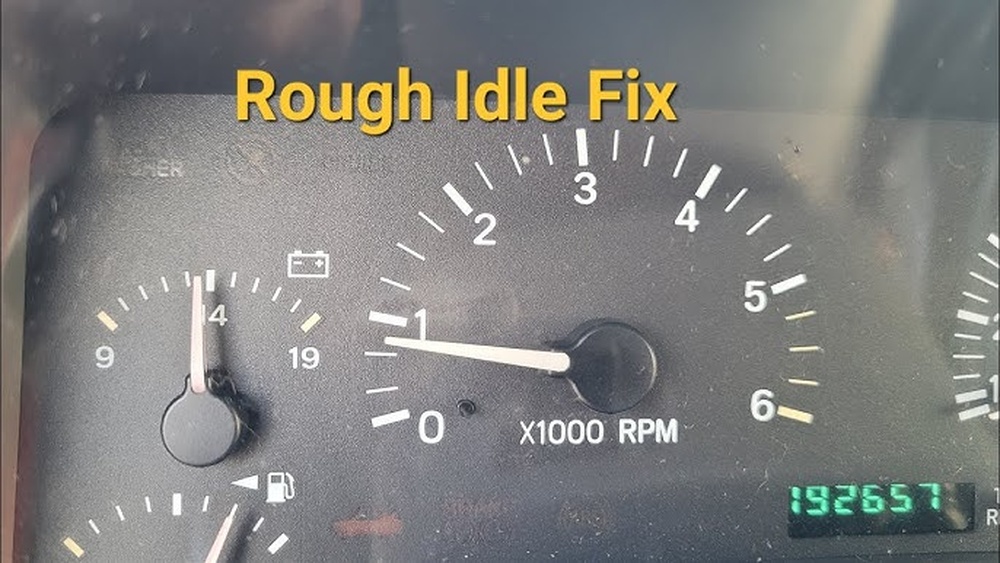
What Does “rough Idle” Mean?
A rough idle is when your engine doesn’t run smoothly at low speed or while stopped. You might notice:
- The RPM needle jumps up and down
- The car shakes or vibrates more than usual
- The engine sounds uneven or “misses”
- Sometimes, it feels like the car might stall
A healthy engine should idle smoothly, usually around 600–800 RPM for most Jeep Cherokees. If you notice changes, it’s time to look closer.
Common Causes Of Rough Idle In Jeep Cherokee
Many different problems can cause a rough idle. Some are simple to fix, others need professional help. Here are the most common reasons:
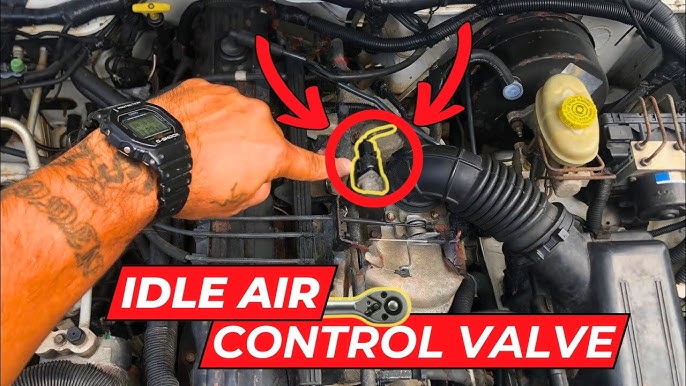
1. Dirty Or Faulty Idle Air Control Valve
The Idle Air Control (IAC) valve manages airflow when your foot is off the gas. If it’s dirty or stuck, your Cherokee can idle rough or even stall. Cleaning or replacing the IAC valve often solves the problem.
2. Vacuum Leaks
A vacuum leak means extra air enters the engine. This can throw off the air-fuel mix, causing rough idle. Common places for leaks are:
- Intake manifold gaskets
- Vacuum hoses
- Throttle body gasket
Vacuum leaks are often missed by beginners. To check, listen for a hissing sound under the hood or spray carb cleaner around suspected areas. If idle changes, you’ve likely found a leak.
3. Faulty Spark Plugs Or Ignition Coils
Worn or damaged spark plugs and ignition coils mean your engine can’t fire properly. This leads to misfires, shaking, and uneven idle. Plugs should be changed every 30,000–60,000 miles depending on model and type.
4. Fuel System Problems
A clogged fuel injector or bad fuel filter can reduce fuel flow. When one cylinder doesn’t get enough fuel, it causes rough idle. Using quality fuel and cleaning injectors helps prevent this.
5. Dirty Throttle Body
Over time, the throttle body gets dirty and sticky. This affects airflow and confuses the engine’s computer. Cleaning the throttle body is a simple way to fix rough idle.
6. Engine Sensor Issues
Faulty sensors, especially the Mass Air Flow (MAF) sensor or Oxygen (O2) sensors, can send wrong information. This creates a poor air-fuel mix and rough idle.
7. Bad Motor Mounts
Sometimes, the engine itself runs fine, but worn motor mounts let engine vibrations reach the cabin. This makes it feel like a rough idle, even if the engine is okay.
Comparing Key Causes And Symptoms
Understanding the relationship between common causes and their symptoms can help you narrow down the real problem quickly.
| Cause | Main Symptom | Quick Test |
|---|---|---|
| Idle Air Control Valve | Idle fluctuates, sometimes stalls | Unplug IAC; if idle doesn’t change, it’s likely faulty |
| Vacuum Leak | High or uneven idle, hissing noise | Spray carb cleaner; idle changes |
| Spark Plug/Coil | Misfire, check engine light | Read OBD-II codes, inspect plugs |
| Fuel Injector | Rough idle, poor fuel economy | Listen for clicking, use injector cleaner |
How To Diagnose Rough Idle
You don’t need to be a mechanic to start diagnosing the problem. Here’s a practical step-by-step approach:
- Listen and Observe – Pay attention to sounds, vibrations, and dashboard lights.
- Check for Trouble Codes – Use an OBD-II scanner to read any codes. This tool is cheap and easy to use.
- Inspect Hoses and Connections – Look for cracked or disconnected hoses.
- Check Spark Plugs – Remove a plug and inspect for wear or deposits.
- Clean Sensors and Throttle Body – Use sensor-safe cleaner for the MAF and throttle body.
- Test for Vacuum Leaks – Spray around gaskets and hoses as described earlier.
If you find a code like P0300 (random misfire) or P0505 (idle control system malfunction), you have a strong starting point.

When To Seek Professional Help
Some rough idle problems are easy to fix, but others need advanced tools. Seek a mechanic if:
- The check engine light flashes
- You smell fuel or see smoke
- Repairs don’t fix the problem
- You’re unsure about electrical or fuel system parts
A skilled technician can perform deeper tests, such as a smoke test for vacuum leaks or advanced diagnostics.
Preventing Rough Idle: Simple Tips
Keeping your Jeep Cherokee running smoothly doesn’t have to be hard. Here are some habits that help:
- Change spark plugs on schedule
- Use high-quality fuel and oil
- Clean the throttle body and sensors during routine service
- Replace air filters regularly
- Fix small leaks before they become bigger issues
A key point many owners miss: always use the correct engine oil weight and fuel grade. Using the wrong type can increase wear and lead to rough idle over time.
Cost Comparison: Diy Vs. Mechanic
Fixing rough idle can be affordable if you do it yourself. Here’s a basic cost comparison:
| Part/Service | DIY Cost | Shop Cost |
|---|---|---|
| Spark Plugs (set) | $25–$50 | $100–$200 |
| Idle Air Control Valve | $60–$120 | $200–$350 |
| Fuel Injector Cleaning | $10–$20 (cleaner) | $100–$150 |
| Vacuum Hose | $5–$15 | $60–$120 |
Doing simple maintenance can save you hundreds of dollars and keep your Cherokee running strong.
Frequently Asked Questions


















