Why Does Jeep Grand Cherokee Have Two Batteries
The Jeep Grand Cherokee is known for its rugged design and advanced technology. But if you look under the hood or check the owner’s manual, you might notice something unusual: it has two batteries instead of one. For many owners, this can be confusing. Why does a modern SUV need an extra battery? Does it improve performance, or is it just for backup? Understanding the real reasons helps you take better care of your vehicle and avoid common mistakes.
The Main Purpose Of Two Batteries
The main reason for two batteries in the Jeep Grand Cherokee is to support its Start-Stop system and manage advanced electronics. The first, known as the main battery, powers the engine and major systems. The second, a smaller auxiliary battery, handles the Start-Stop function and helps power accessories when the engine shuts off at stops.
Having two batteries ensures the SUV can run complex features without putting too much stress on just one battery. This design is not just for luxury; it’s necessary for modern vehicles that use more electricity than ever before.

How The Dual Battery System Works
The two batteries work together but have different jobs.
- Main battery: This is the larger battery. It starts the engine and powers the main electrical systems—like headlights, radio, and climate control.
- Auxiliary battery: This smaller battery supports the Start-Stop system, which turns off the engine when you stop at a light and restarts it when you release the brake. It also keeps electrical accessories running during these stops.
When you stop at a red light, the main battery’s load decreases, and the auxiliary battery keeps the lights, air conditioning, and infotainment working. When you start moving again, both batteries help restart the engine smoothly.
Start-stop System And Fuel Efficiency
One key reason Jeep uses two batteries is to make the Start-Stop system reliable. This technology saves fuel by turning off the engine when the car is stopped, reducing idling time.
According to the Environmental Protection Agency (EPA), Start-Stop systems can improve city fuel economy by up to 5-10%. This might seem small, but over time, it saves money and reduces emissions. The auxiliary battery ensures the engine restarts instantly, so you don’t feel a delay.
How The System Reduces Fuel Use
- At every stoplight, the engine turns off—saving fuel.
- Electrical features (like the radio and AC) stay on, powered by the auxiliary battery.
- When you want to move, the engine restarts quickly, powered by both batteries.
This means you save fuel without losing comfort or convenience.
Comparison: Single Vs. Dual Battery Systems
Not all vehicles have two batteries. Here’s a quick comparison to show the difference:
| Feature | Single Battery System | Dual Battery System (Grand Cherokee) |
|---|---|---|
| Engine Start/Stop | May struggle with reliability | Smooth, consistent operation |
| Accessory Support | Can drain main battery | Auxiliary battery handles load |
| Battery Lifespan | Shorter due to higher stress | Longer; load is shared |
| Cost to Replace | Lower (one battery) | Higher (two batteries) |
Powering Advanced Electronics
Modern SUVs like the Grand Cherokee come with advanced electronics:
- Digital dashboards
- Navigation and infotainment systems
- Parking sensors and cameras
- Power seats and windows
These features need a lot of power. The auxiliary battery helps manage these demands, so everything works even when the engine is off.
This is why vehicles with more technology often use two batteries.
Battery Locations And Types
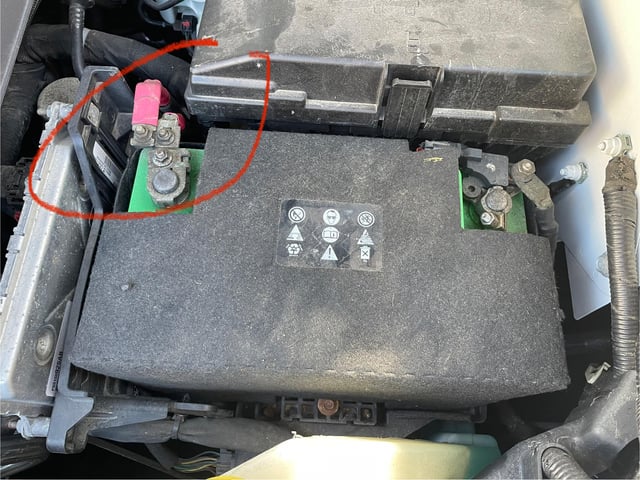
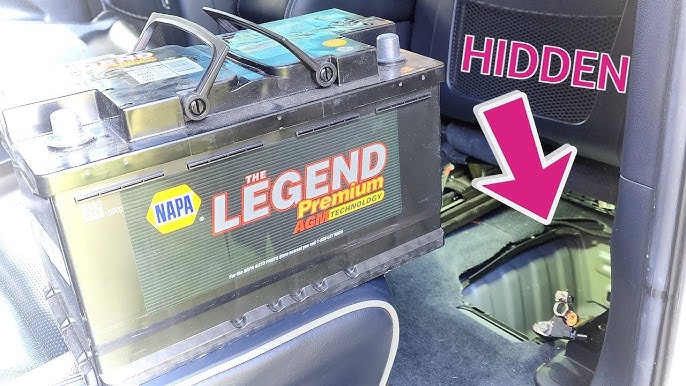
In the Jeep Grand Cherokee, the main battery is usually in the engine bay, while the auxiliary battery is often under the passenger seat or in a side compartment.
Here’s a look at their differences:
| Battery | Location | Main Function | Average Lifespan |
|---|---|---|---|
| Main Battery | Engine bay | Start engine, power main systems | 3-5 years |
| Auxiliary Battery | Under seat or side compartment | Support Start-Stop, power accessories | 2-4 years |
Tip: Always check your owner’s manual for the exact location, as it may differ by model year.

Common Issues And Maintenance Tips
Many owners are surprised when their Grand Cherokee has battery problems. Some mechanics may even overlook the auxiliary battery. Here are practical tips:
- Replace both batteries together: If one fails, the other is likely close to the end too.
- Check for warning lights: If you see a battery or Start-Stop warning, check both batteries.
- Use the right type: The auxiliary battery is usually an AGM (Absorbent Glass Mat) battery, which is different from traditional lead-acid types.
- Professional installation: Incorrect installation can cause system errors.
What Owners Often Miss
- Auxiliary battery failure symptoms can look like electronics glitches, not just starting problems.
- DIY replacement is possible but tricky—disconnecting the wrong battery first can reset your vehicle’s memory or cause errors.
If you’re not sure, ask a certified Jeep mechanic.
Benefits Of The Dual Battery Setup
The two-battery system brings several important benefits:
- Reliable Start-Stop function: Smooth engine restarts at lights.
- Longer battery life: Each battery shares the load, reducing wear.
- Consistent comfort: No loss of power to AC or radio when stopped.
- Better support for technology: All electronics keep working, even during engine-off moments.
These features make the Grand Cherokee more fuel-efficient and comfortable for both city and highway driving.
Real-world Example
If you drive daily in city traffic, the Start-Stop system might activate 100 times a day. Without a second battery, your main battery could wear out in a year. With two batteries, you get reliable starts and fewer unexpected breakdowns.
Data: How Common Is This Setup?
More automakers are using dual battery systems, especially in larger SUVs and trucks. In 2022, over 30% of new SUVs with Start-Stop had two batteries. This trend is likely to grow as cars add more features and aim for better fuel economy.
For more technical details on vehicle battery setups, you can visit the Automotive battery Wikipedia page.
Frequently Asked Questions
Why Does The Jeep Grand Cherokee Have Two Batteries?
It uses two batteries to support the Start-Stop system and advanced electronics. The main battery starts the engine; the auxiliary battery keeps accessories running when the engine is off.
What Happens If One Battery Fails?
If either battery fails, you may notice problems with starting, or the Start-Stop feature may stop working. Both batteries need to be in good condition for the system to work properly.
Can I Replace Just One Battery?
You can, but it’s usually best to replace both at the same time. If one is weak, the other may fail soon. Matched batteries prevent electrical issues.
Does Having Two Batteries Mean More Maintenance?
Not much more, but you should check both batteries regularly. Most maintenance is just inspection and replacement every few years.
Are Both Batteries The Same Type?
No. The main battery is usually a regular or enhanced lead-acid battery. The auxiliary battery is often an AGM type designed for frequent cycling and deep discharge.
Jeep’s use of two batteries is all about modern reliability and comfort. By understanding how the system works, you can keep your Grand Cherokee running at its best no surprises under the hood.