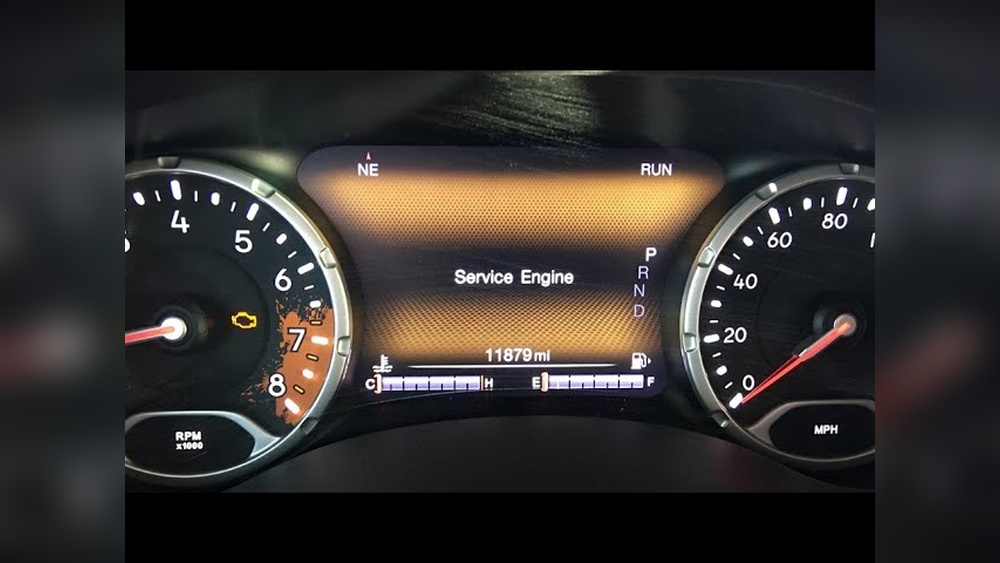
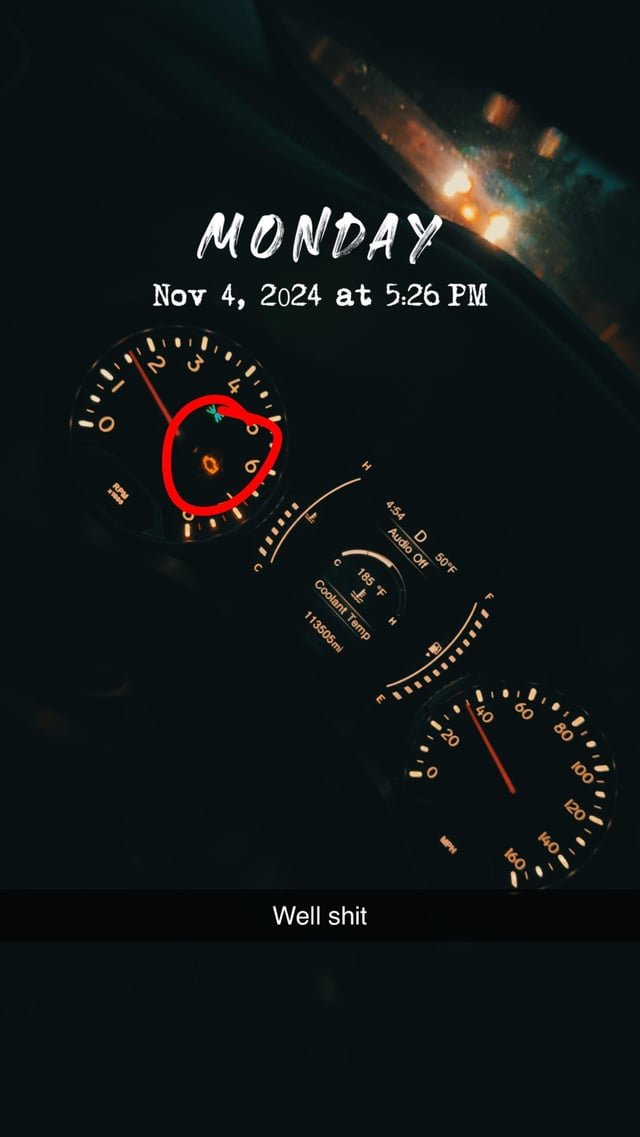
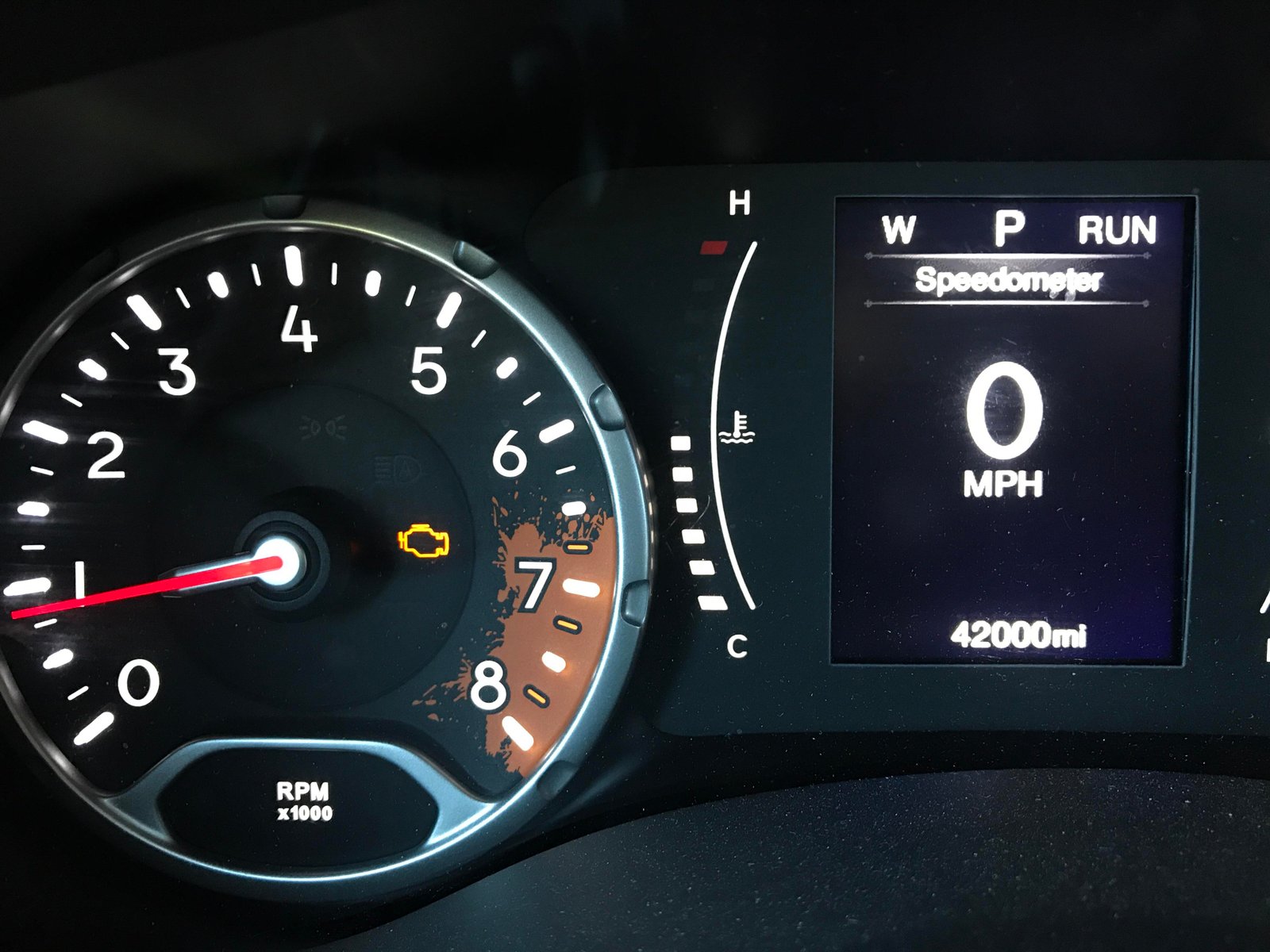
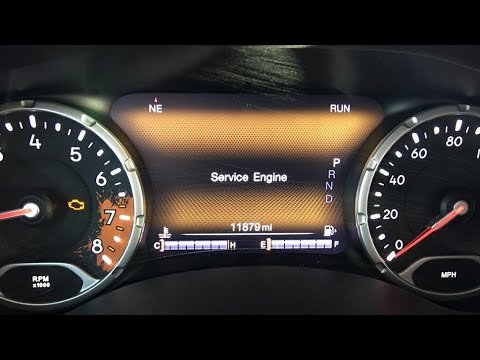
You’re driving your 2015 Jeep Renegade when suddenly, the check engine light flickers on. What does it mean?
Should you be worried? That little warning light can feel like a mystery, leaving you unsure whether it’s a minor issue or something serious that could cost you.
Understanding why the check engine light comes on in your Jeep Renegade is key to keeping your vehicle running smoothly and avoiding unexpected breakdowns.
You’ll discover the common reasons behind this warning, what steps you should take next, and how to protect your Jeep from potential damage. Keep reading you’ll want to know exactly what’s going on under your hood.
Common Causes
The check engine light on a 2015 Jeep Renegade signals a problem in the engine or emission system. It can turn on for many reasons.
Some causes are easy to fix. Others might need a mechanic’s help.
Knowing common causes helps you act quickly and avoid bigger problems.
Loose Or Damaged Gas Cap
A loose or damaged gas cap is a frequent cause of the check engine light. The cap keeps fuel vapors sealed inside the tank.
If it is not tight or broken, vapors leak out. This triggers the light to come on.
Check the cap by tightening it or replacing it if cracked.
Faulty Oxygen Sensor
The oxygen sensor measures oxygen levels in the exhaust. It helps the engine burn fuel efficiently.
A bad sensor sends wrong data to the engine’s computer. This causes poor fuel economy and higher emissions.
A faulty oxygen sensor will turn the check engine light on.
Bad Catalytic Converter
The catalytic converter cleans harmful gases from the exhaust. Over time, it can become clogged or damaged.
This reduces engine power and raises emissions. A bad catalytic converter causes the check engine light to glow.
Repair or replacement may be necessary for proper function.
Worn Spark Plugs
Spark plugs ignite the fuel-air mix in the engine cylinders. Worn or dirty spark plugs cause misfires and rough running.
This triggers the check engine light to warn of engine trouble. Replacing spark plugs improves engine performance and may turn off the warning light.
Fuel System Issues
The fuel system plays a key role in your Jeep Renegade’s engine performance. Problems here often trigger the check engine light.
Fuel system issues affect how fuel reaches the engine and burns efficiently. This can cause rough idling, poor acceleration, or increased emissions.
Understanding common fuel system problems helps you know why the light comes on.
Two frequent causes are malfunctioning fuel injectors and a dirty mass airflow sensor. Both impact fuel delivery and air intake, critical for smooth engine operation.
Malfunctioning Fuel Injectors
Fuel injectors spray fuel into the engine cylinders. If they malfunction, the fuel spray becomes uneven or weak.
This causes the engine to misfire or run poorly. A clogged or faulty injector reduces fuel flow, triggering the check engine light.
Symptoms include rough running, poor fuel economy, and hesitation during acceleration. Cleaning or replacing injectors can resolve these issues.
Dirty Mass Airflow Sensor
The mass airflow sensor measures the air entering the engine. Dirt or grime on the sensor causes incorrect readings.
This leads to wrong fuel-air mixture, which affects engine performance. A dirty sensor often causes the check engine light to come on.
The engine may stall, hesitate, or use more fuel. Cleaning the sensor restores proper air measurement and improves engine function.
Engine Management Problems
The check engine light on a 2015 Jeep Renegade can signal various engine management problems. These issues affect how the engine runs and can lead to poor performance or increased fuel use.
Understanding common causes helps spot the problem early. Two frequent engine management issues involve the thermostat and sensors or modules.
Faulty Thermostat
The thermostat controls the engine’s temperature by regulating coolant flow. A faulty thermostat may get stuck open or closed.
When stuck open, the engine runs too cold, which reduces fuel efficiency. If stuck closed, the engine can overheat, causing serious damage.
Either problem triggers the check engine light. A failing thermostat disrupts the engine’s normal operation and needs prompt attention.
Sensor Or Module Faults
Sensors and modules monitor engine functions and send data to the vehicle’s computer. Common faulty parts include oxygen sensors, mass airflow sensors, and engine control modules.
When these parts fail, the computer gets wrong or no data. This causes the engine to run inefficiently and turns on the check engine light.
Detecting faulty sensors or modules early prevents bigger engine issues and costly repairs.
Evaporative Emission System Faults
The evaporative emission system (EVAP) in the 2015 Jeep Renegade helps control fuel vapors. It prevents harmful gases from escaping into the air.
When the check engine light comes on, EVAP system faults are a common cause. These faults signal problems in the system that need attention.
Understanding these faults can help you know why the light is on and what might be wrong.
Leaks In Evap System
Leaks in the EVAP system often trigger the check engine light. The system uses a sealed network of hoses and tanks to trap fuel vapors.
A small crack or loose connection can cause a leak. Common leak points include the gas cap, fuel tank, or hoses.
Even a loose gas cap can create a leak and turn on the light. The onboard computer detects these leaks during testing.
Repairing leaks usually involves replacing damaged parts or tightening connections.
Damaged Air Intake Components
Damaged air intake parts can also cause EVAP system faults. The air intake system works with the EVAP system to manage fuel vapors.
Cracked or broken intake hoses let air in or out improperly. This disrupts the system’s balance and triggers a fault code.
Damage can come from wear, heat, or road debris. Fixing these issues often means replacing the damaged hoses or parts.
Keeping air intake components in good shape helps prevent check engine light problems.
Driving With The Light On
Seeing the check engine light on your 2015 Jeep Renegade can be worrying. It signals that the car’s computer has detected a problem.
Deciding whether to keep driving or stop can be tricky. Understanding when it is safe helps you avoid bigger issues.
Knowing the risks of ignoring the light can protect your vehicle and safety.
When It’s Safe To Drive
The check engine light may come on for small issues. A loose gas cap is a common cause.
If the light is steady and the car runs fine, you can usually drive a short distance. Watch for strange noises, smells, or changes in performance.
If none appear, get the car checked soon. Avoid long trips or heavy loads until the issue is fixed.
Risks Of Ignoring The Warning
Ignoring the check engine light can cause serious damage. A small problem may turn into a costly repair.
The engine could overheat or stall unexpectedly. Emissions may increase, harming the environment.
Fuel efficiency can drop, wasting money. In some cases, the car might stop working on the road.
Ignoring the light puts your safety and your Jeep at risk.
Resetting The Check Engine Light
Resetting the check engine light on your 2015 Jeep Renegade can be tempting after the light comes on. This light signals the car’s computer has found an issue.
Turning off the light without fixing the problem can hide important warnings. Still, knowing how to reset the light is useful after repairs or diagnostics.
Below are common ways to reset the check engine light safely.
Using An Obd-ii Scanner
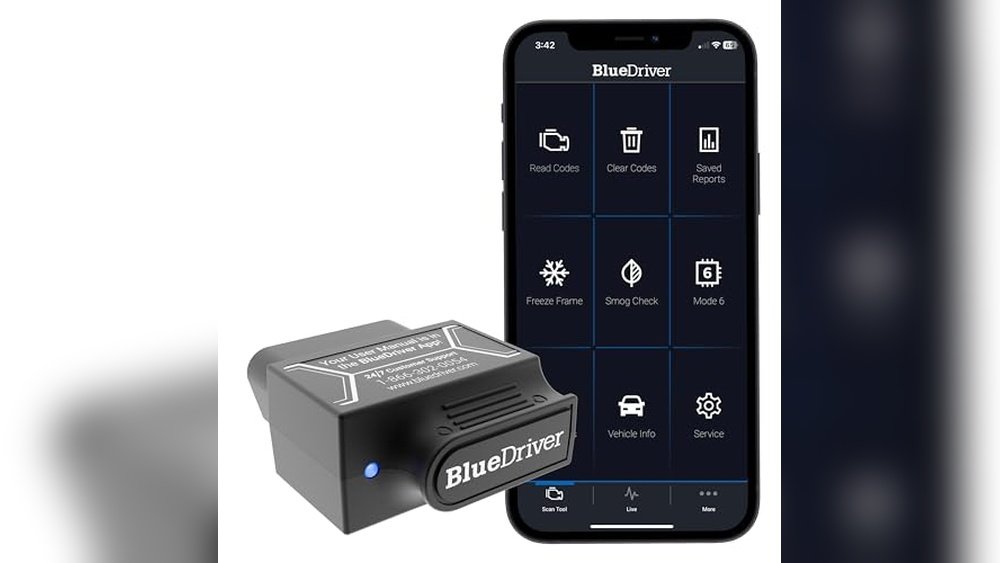
An OBD-II scanner plugs into your Jeep’s diagnostic port. This tool reads error codes from the engine’s computer. After fixing the issue, the scanner can clear the codes and reset the light. Many auto shops offer this service. You can also buy an affordable scanner for home use. This method is quick and accurate. It also helps find the exact problem before reset.
Disconnecting The Battery
Disconnecting the battery can reset the engine light by cutting power to the car’s computer. To do this, remove the negative terminal cable for about 15 minutes.
This clears temporary codes and resets the system. After reconnecting, the light should turn off.
This method works but may erase radio presets and clock settings. It is a simple option if no scanner is available.
Why Resetting Without Fixing Is Risky
Resetting the check engine light without fixing the problem can cause serious risks. The light warns of issues that affect your Jeep’s safety and performance.
Ignoring the problem may lead to engine damage or breakdown. It can also cause your vehicle to fail emissions tests.
Resetting the light hides the warning but does not solve the cause. Always diagnose and repair before resetting the light.
Preventive Maintenance Tips
Preventive maintenance helps keep your Jeep Renegade running smoothly. It reduces the chances of the check engine light turning on unexpectedly.
Simple steps can extend your vehicle’s life and improve performance. Regular attention to your Jeep avoids costly repairs later.
Regular Inspections
Inspect your Jeep Renegade regularly for any visible issues. Check the gas cap to ensure it is tight and not damaged.
Loose or broken gas caps often trigger the check engine light. Look for leaks under the vehicle or strange smells from the engine.
Monitor the dashboard for any warning signs beyond the check engine light.
Have a mechanic check key components like the oxygen sensor and spark plugs. These parts affect engine efficiency and emissions.
Clean or replace air filters to keep the engine breathing well. Regular inspections catch small problems before they become big.
Timely Repairs
Address any engine or exhaust problems as soon as you notice them. Ignoring the check engine light can lead to more damage and higher repair costs.
Replace worn spark plugs and faulty sensors promptly. Fix leaks or clogged parts quickly to maintain performance.
Use quality parts and trusted mechanics for repairs. Timely repairs keep your Jeep’s engine running efficiently.
This lowers emissions and fuel consumption. Staying on top of repairs helps avoid breakdowns and improves driving safety.
Frequently Asked Questions
Why Is The Check Engine Light On In My 2015 Jeep Renegade?
The check engine light in your 2015 Jeep Renegade signals issues like a loose gas cap, faulty oxygen sensor, or catalytic converter problem. It may also indicate spark plug or fuel injection malfunctions.
Diagnose promptly to prevent further damage and maintain vehicle performance.
Can I Drive My Jeep With The Engine Light On?
You can drive your Jeep with the engine light on, but only for a short time. Get the issue diagnosed quickly.
Ignoring it may cause serious damage or unsafe driving conditions.
What Is The First Thing To Check When The Check Engine Light Comes On?
Check the gas cap first; ensure it’s tightly secured. A loose or damaged cap often triggers the check engine light.
How To Clear A Check Engine Light Without Fixing The Problem?
Use an OBD-II scanner to read and clear codes, but the light may return without repairs. Disconnecting the battery can reset the light temporarily.
Ignoring the issue risks damage and safety problems.
Conclusion
The check engine light on your 2015 Jeep Renegade signals various possible issues. It might be something simple like a loose gas cap or a more serious engine problem.
Ignoring the light can lead to bigger repairs and higher costs.
Always get your vehicle checked promptly to keep it running smoothly. Understanding the reasons helps you act quickly and avoid trouble.
Stay aware and maintain your Jeep for better performance and safety on the road.