The name Willys Jeep sparks curiosity in many people. Why is this rugged vehicle called “Willys Jeep” and what is its story?
The answer connects history, war, engineering, and branding. If you love vehicles or history, this topic is full of interesting details.
Let’s explore the origins of the name, the company behind it, and how “Jeep” became a global icon.
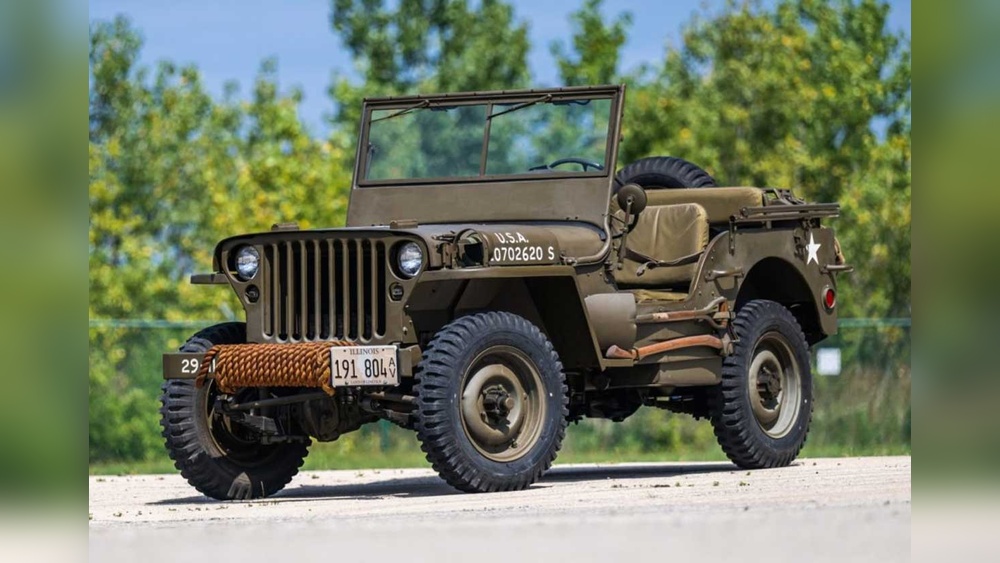
The Origins Of Willys Jeep
The story of the Willys Jeep begins in the late 1930s. War was coming in Europe, and the US Army wanted a new kind of vehicle. It had to be light, quick, easy to repair, and able to handle rough terrain. The Army sent their requirements to many car companies.
Willys-overland’s Role
Willys-Overland was one of the companies that answered the Army’s call. Based in Ohio, Willys-Overland was not a big name at the time. But they had experience making tough cars and engines. Their design, called the Willys MB, was chosen for mass production in 1941. Willys-Overland’s vehicle stood out because of its strong engine and reliable build.
Competition And Collaboration
The Army needed vehicles fast. They gave contracts to Willys-Overland, Ford, and American Bantam.
Each company produced versions of the Jeep, but Willys-Overland’s design was the main blueprint. Ford made many Jeeps during the war, but Willys-Overland’s model became the standard.
Here’s a quick comparison of the three main WWII Jeep makers:
| Manufacturer | Main Model | Production Years | Units Produced |
|---|---|---|---|
| Willys-Overland | Willys MB | 1941–1945 | Over 360,000 |
| Ford | Ford GPW | 1942–1945 | Over 277,000 |
| American Bantam | Bantam BRC | 1940–1941 | About 2,700 |
Why The Name “jeep”?
The origin of Jeep is debated, but most experts agree it comes from Army slang. Soldiers often called the vehicle a “G.P.” This stood for “General Purpose.” Over time, G.P. was spoken quickly, sounding like “Jeep.”
Another theory links the name to a comic character named Eugene the Jeep from Popeye. Eugene was small, strong, and could go anywhere—just like the Army Jeep. Both ideas likely helped the name stick.

Willys: The Brand Behind The Jeep
Why is Willys-Overland so closely tied to the Jeep name? After World War II, Willys-Overland was the only company allowed to market civilian Jeeps. Ford made Jeeps for the military, but Willys-Overland owned the rights to the “Jeep” name.
The first civilian model, the CJ-2A, appeared in 1945. Willys-Overland wanted people to see “Jeep” as their brand. In 1950, they received the trademark for “Jeep,” making it official.
Here’s how Willys-Overland’s Jeep evolved after the war:
| Model | Year Introduced | Main Features |
|---|---|---|
| CJ-2A | 1945 | First civilian Jeep, tailgate, headlights, improved comfort |
| CJ-3A | 1949 | Stronger frame, better windshield, improved suspension |
| CJ-5 | 1954 | Rounded body, longer wheelbase, more engine options |
Jeep’s Influence Worldwide
The Willys Jeep changed how people saw cars. It was not just a military tool; it became a symbol of freedom and adventure. Farmers, explorers, and workers around the world used Jeeps for tough jobs. By the late 1940s, Willys Jeeps were sold in over 100 countries.
The Jeep’s simple design made it easy to fix. Parts were available everywhere.
Its 4-wheel drive system was rare at the time, making it useful in mud, snow, and sand.
Surprising Insights
- Willys Jeep’s engine was called the “Go Devil.” It produced 60 horsepower—much more than competitors. This power helped the Jeep carry heavy loads, tow equipment, and climb hills.
- The Jeep’s flat fenders were not just for style. Soldiers used them as seats, desks, and even places to mount guns. This practical design helped the Jeep become a “Swiss Army knife” for the battlefield.
- Early Jeeps were so simple that many owners could repair them with basic tools. That made the Jeep popular with people who lived far from cities.
How The Willys Jeep Compared To Other Vehicles
During WWII, many vehicles were tested. But the Willys Jeep stood out for its strength and flexibility. Here’s a quick comparison:
| Feature | Willys Jeep | Military Truck | Motorcycle |
|---|---|---|---|
| Seating | 4 | 6+ | 1–2 |
| Terrain | All | Mostly roads | Limited |
| Repair Simplicity | Easy | Moderate | Easy |
| Weight | ~2,300 lbs | ~6,000 lbs | ~400 lbs |
Willys Jeep Today
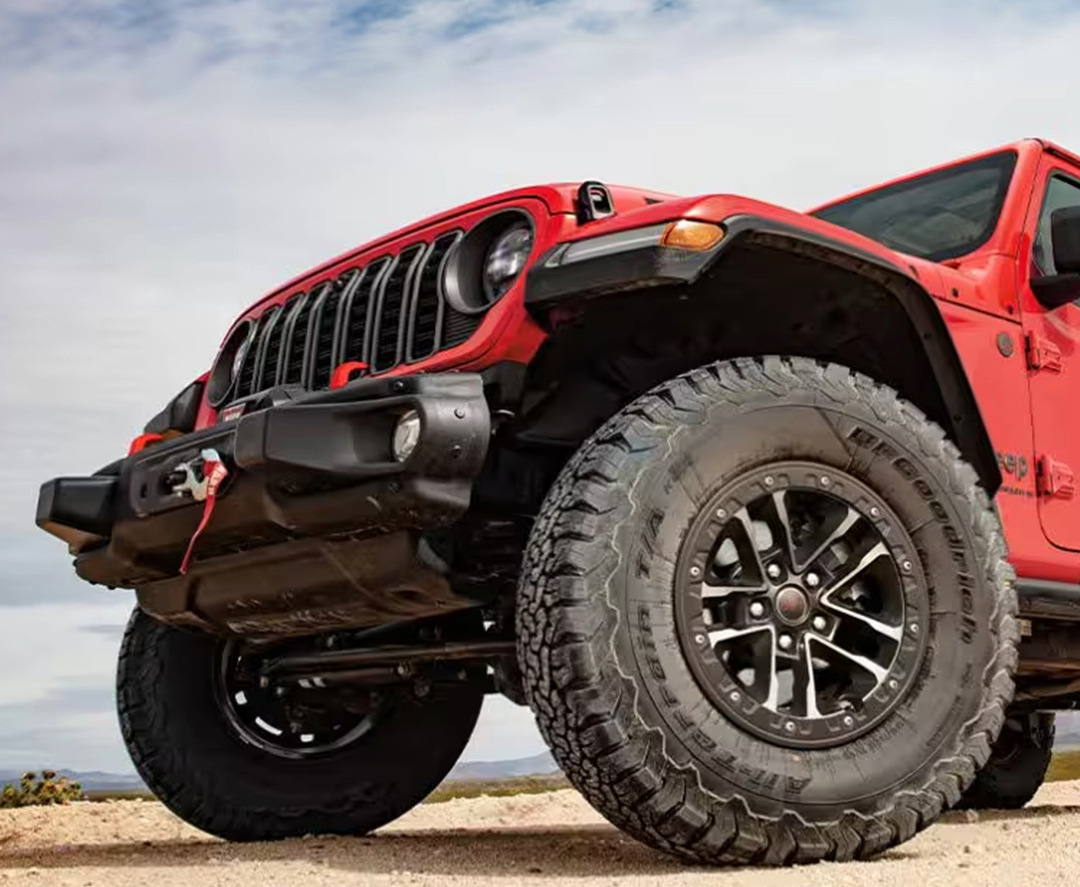
The Willys Jeep name still means toughness. Modern Jeeps are bigger, more comfortable, and packed with technology, but they keep the spirit of the original. Collectors value old Willys Jeeps, and some models are worth over $30,000. Jeep’s influence can be seen in brands like Toyota Land Cruiser and Land Rover.
If you want to learn more about the Jeep’s history, visit Wikipedia for detailed information.
Frequently Asked Questions
What Does “willys” Mean In Willys Jeep?
Willys comes from Willys-Overland, the company that designed and built the first Jeep. John Willys was the founder.
Was Willys The Only Maker Of The Jeep?
No. Ford and Bantam also made Jeeps during WWII, but Willys-Overland’s design was the standard.
Willys later got rights to the “Jeep” name.
Why Is The Jeep Famous?
The Jeep is famous for being a tough, simple vehicle. It helped win WWII and became popular worldwide for farming, travel, and work.
Are Willys Jeeps Still Made?
The original Willys Jeep is not made today, but Jeep vehicles still follow its design ideas. Some companies restore and sell old Willys Jeeps.
How Much Is A Willys Jeep Worth?
Prices depend on condition. Old Willys Jeeps can cost from $5,000 to over $30,000 for rare, restored models.
The Willys Jeep name is more than history—it’s a symbol of strength and smart design. Whether you see a modern Jeep or an old Willys model, you’re looking at a vehicle that shaped the world.


















