Jeep loyalty is easier to understand when you separate practical strengths from lifestyle appeal. Some drivers value trail ability.
Others like the shape, removable panels, customization options or owner community. The same qualities may feel unnecessary to a different buyer.

Quick Answer
People like Jeeps because the brand combines recognizable styling, available four-wheel-drive capability, a long 4×4 history and a large accessory culture. The appeal is real, but a buyer should still compare comfort, cost and daily practicality.
The Design Is Easy to Recognize
Many vehicles blend into a parking lot. Jeep models, especially the Wrangler, use styling cues that owners recognize immediately.
That visual identity helps explain why buyers form a stronger attachment than they might with a purely practical commuter.
Capability Creates Confidence
Drivers who travel on snow, gravel, trails or rough access roads may value ground clearance and available four-wheel-drive systems. The value depends on the model and the situation.
Capability is most useful when it solves a real problem.
Open-Air Features Change the Experience
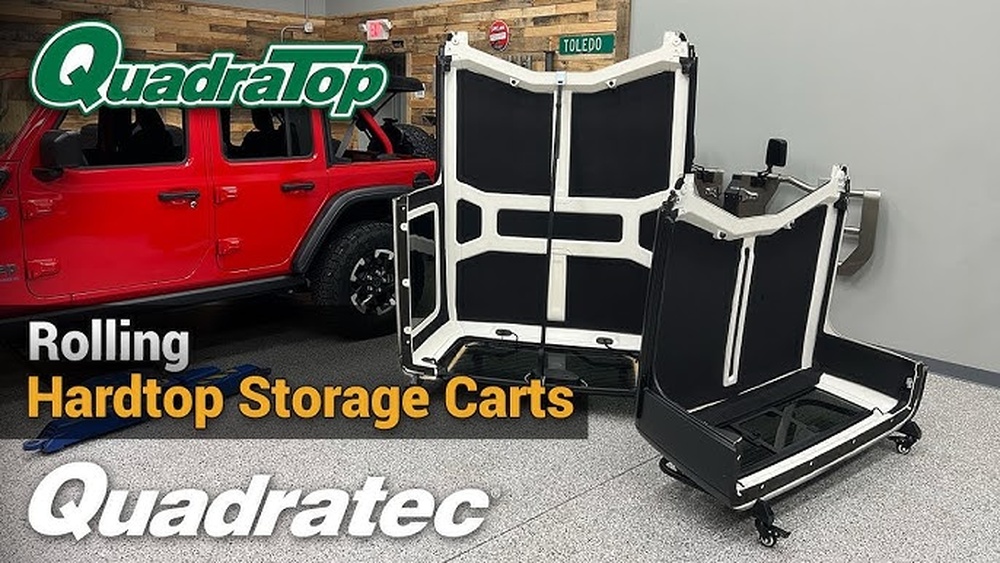
Wrangler owners may enjoy removable roof panels, soft tops or door-off driving where legal and safe. Those features create a different experience from a standard SUV.
They also require storage, weather planning and realistic security habits.
Customization Is a Major Attraction
Wheels, tires, bumpers, lighting, recovery equipment and camping accessories allow owners to personalize the vehicle. The aftermarket is appealing, but upgrades should solve a real need.
Poorly planned modifications may reduce reliability and road comfort.
The Brand Has a Long 4×4 Story
Jeep history is tied to wartime light reconnaissance vehicles and later civilian 4x4s. That background gives the brand a narrative that extends beyond current model specifications.
Some buyers enjoy owning a vehicle connected to that history.
Community Adds Value for Some Owners
Local clubs, trail groups and events create a social side to ownership. Advice from experienced owners may help a newcomer learn recovery basics, maintenance and responsible trail behavior. The community is optional, not a requirement.
Trade-Offs Still Matter
A vehicle can be fun and still require compromise. Road noise, ride, fuel use, storage needs and accessory spending deserve attention.
The best owner is someone who enjoys the strengths without pretending the trade-offs do not exist.
Key Details to Check
| Item | What to verify | Why it matters |
|---|---|---|
| Appeal | Distinctive design | Gives the vehicle a recognizable identity |
| Capability | Four-wheel-drive and trail-oriented equipment | Matters when roads or activities demand it |
| Experience | Available removable panels on certain models | Changes how some owners use the vehicle |
| Customization | Large accessory market | Allows personalization but needs planning |
| History | Wartime and civilian 4×4 roots | Creates a stronger brand story |
Step-by-Step Review
- Identify which Jeep feature attracts you most.
- Decide whether that feature helps your normal driving.
- Drive a stock example before planning modifications.
- Price the practical trade-offs such as fuel, tires and storage.
- Choose the model that fits your routine instead of copying another owner’s build.
Common Mistakes to Avoid
- Buying accessories before understanding the stock vehicle
- Assuming every Jeep is designed for the same purpose
- Ignoring roof-panel storage and weather planning
- Using owner culture as a substitute for a vehicle inspection
- Confusing style preference with a financial argument
Frequently Asked Questions
Why is the Wrangler especially popular?
Its recognizable design, trail image and available open-air features create a distinct ownership experience.
Do all Jeep owners go off-road?
No. Some choose the vehicle for style, winter driving, community or daily use.
Should I modify a new Jeep immediately?
Drive it first. Add parts only after identifying a real need.
Why Simplicity Appeals to Wrangler Fans
Wrangler styling keeps visible links to older utility vehicles. Upright proportions, exposed details and recognizable shapes make the vehicle feel different from a rounded crossover.
For some owners, that clear design language is part of the attraction.
Adventure Image and Actual Use Are Different
A driver may enjoy the idea of trails while using the Jeep mostly for commuting. That is fine, but the purchase should still work on ordinary roads.
Test the exact configuration during the type of driving you perform every week.
Owner Groups Can Be Useful Learning Resources
Local groups may share trail etiquette, recovery basics, maintenance tips and event information. Ask questions, but verify technical advice before changing the vehicle.
The best communities encourage safe, responsible use instead of expensive impulse upgrades.
Keep Modifications Proportional
A small upgrade that solves a real need may improve ownership. Oversized tires, heavy accessories and complicated wiring may create trade-offs.
Add one change at a time, inspect the result and keep the original parts when practical.
Enjoy the Vehicle Without Copying Every Trend
A Jeep does not need a large catalog of accessories to feel personal. Use the stock vehicle first, then choose additions that improve your trips, storage or comfort.
A simpler build is easier to maintain and often easier to sell.
Respect Trails and Public Roads
Capability comes with responsibility. Follow local rules, stay on permitted routes and avoid modifications that reduce road safety.
A good ownership culture protects access and keeps the vehicle dependable.
Keep the Ownership Story Personal
The strongest reason to buy a Jeep is the reason that remains useful after the novelty fades. For one owner it may be weekend trail access.
For another it may be winter confidence or open-air driving. Define your own reason before building a long accessory list.
- Why Do People Put Ducks On Their Jeeps
- Why Do People Leave Ducks On Jeeps
- Why Do People Put Ducks On Their Jeeps 2
Final Takeaway
People like Jeeps for a combination of capability, design, history and ownership culture. A smart buyer enjoys those strengths while checking whether the daily compromises fit real life.