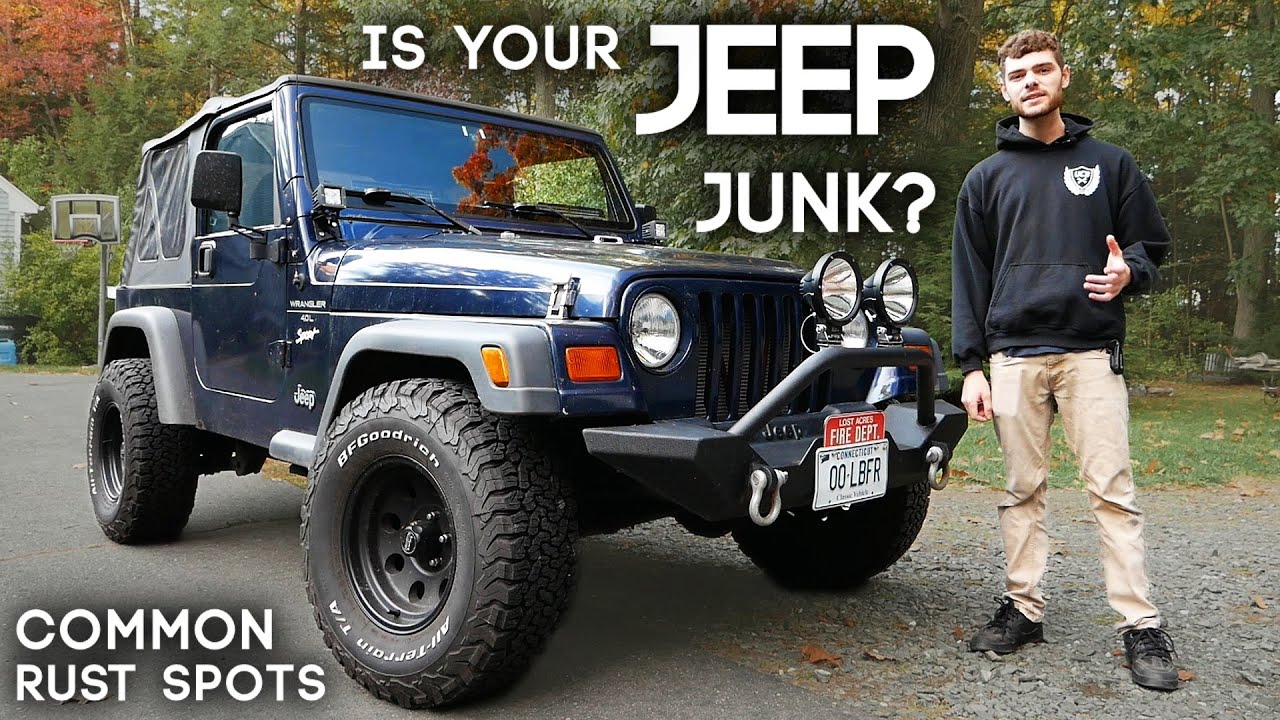
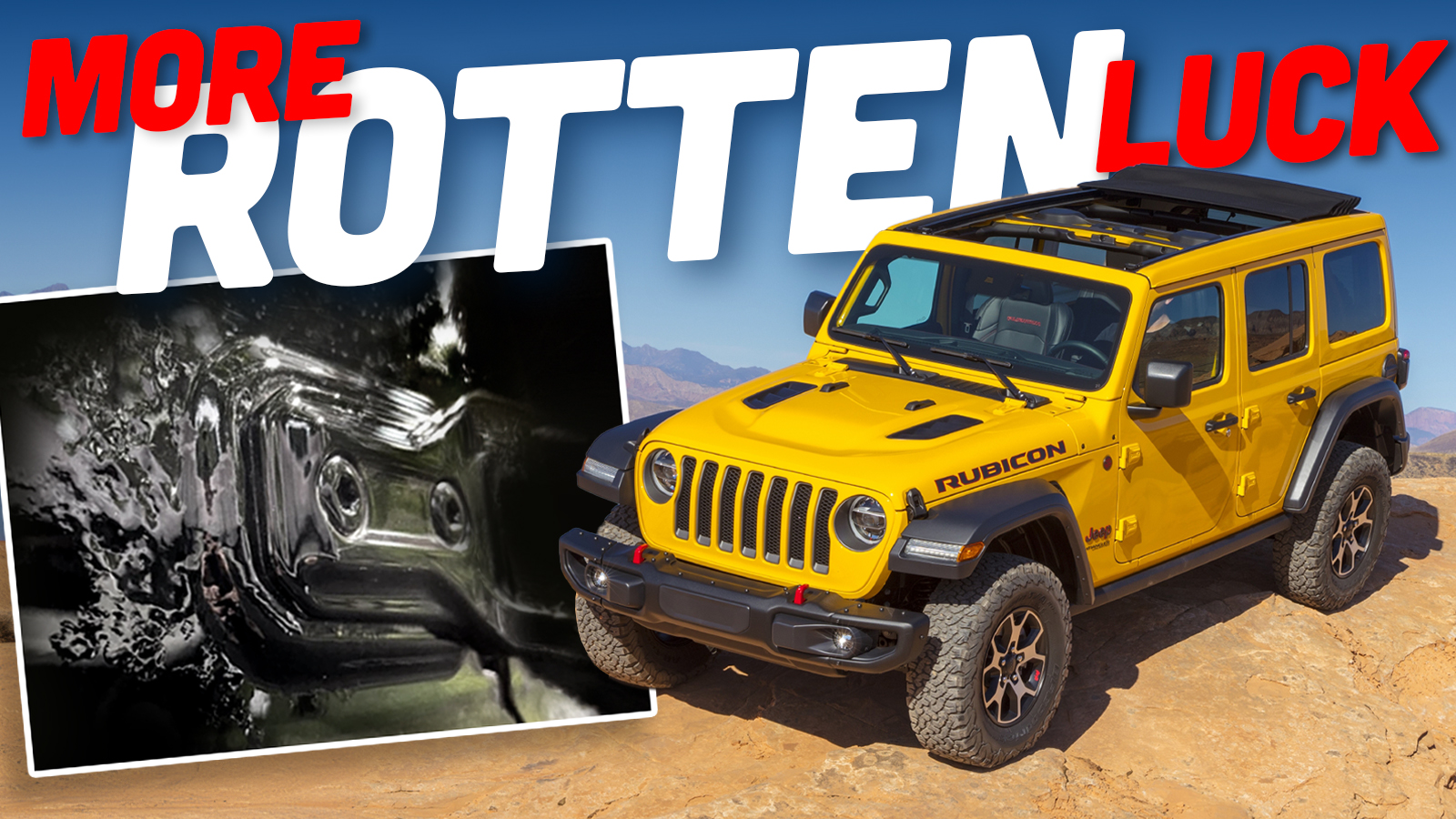
Many Jeep Wrangler owners love their vehicle’s rugged look and off-road abilities. But one big complaint keeps coming up: rust.
Whether your Wrangler is old or new, rust seems to appear faster than you expect. Why is this problem so common for Wranglers, and what can you do about it?
Let’s break down the reasons behind Jeep Wrangler rust, the most vulnerable areas, and how you can protect your ride.
Why Jeep Wranglers Rust More Than Other Vehicles
Jeep Wranglers are unique in both design and usage. These factors make them more likely to develop rust, especially compared to other SUVs or trucks.
Exposed Metal And Classic Design
Wranglers have a boxy, open design with flat panels and removable parts. Their doors, fenders, and even the roof can be taken off. This is great for off-roading and outdoor fun, but it leaves more metal surfaces exposed to water, salt, and air. When moisture sits on bare metal, oxidation starts, and that’s how rust forms.
Off-road Use
Most owners buy Wranglers to explore trails, mud, snow, and rocky terrain. These conditions often cause scratches and chips in the paint, which break the protective layer. Once the paint is damaged, water and road salt can reach the metal underneath. Off-roading also means you’ll pick up more mud and debris, which holds moisture against your vehicle’s underbody.
Factory Coatings And Materials
While Jeep has improved their rust protection over the years, some parts of the Wrangler still don’t get the best factory coatings. For example, frame welds and seams are harder to cover fully. Earlier models (before 2018) had less advanced rust-proofing, so they are especially at risk.
Here’s a quick look at how different Wrangler generations compare on rust resistance:
| Generation | Years | Rust Protection Quality |
|---|---|---|
| YJ | 1987-1995 | Low |
| TJ | 1997-2006 | Medium |
| JK | 2007-2017 | Medium |
| JL | 2018-Present | Improved |
Climate And Road Salt
If you live in the Northern US, Canada, or near the ocean, your Wrangler faces even more rust risk. Road salt used for winter driving speeds up rust on any car, but Wranglers, with their exposed undercarriage and open seams, suffer more. Salt sticks to metal and keeps moisture close, causing faster corrosion.
Design Gaps And Drainage Issues
Many Wrangler models have drain holes in the floor and underbody. If these get clogged with dirt or mud, water stays trapped, especially after rain or washing your Jeep. Water that can’t escape will slowly eat away at the metal.
Most Common Areas Where Wranglers Rust
Not all parts of a Wrangler rust at the same rate. Some areas are more vulnerable due to their shape, coating, or exposure.
| Rust-Prone Area | Why It’s at Risk |
|---|---|
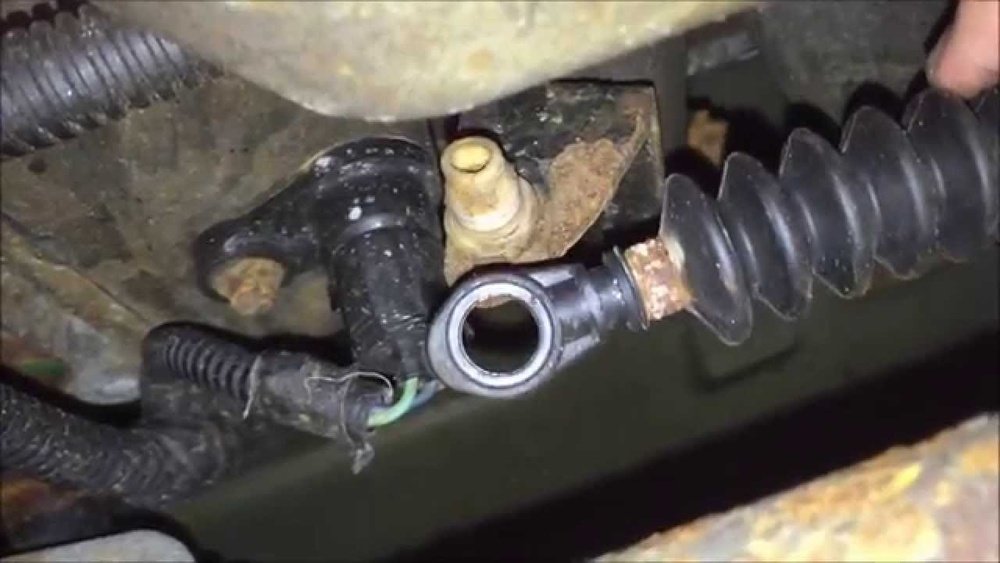
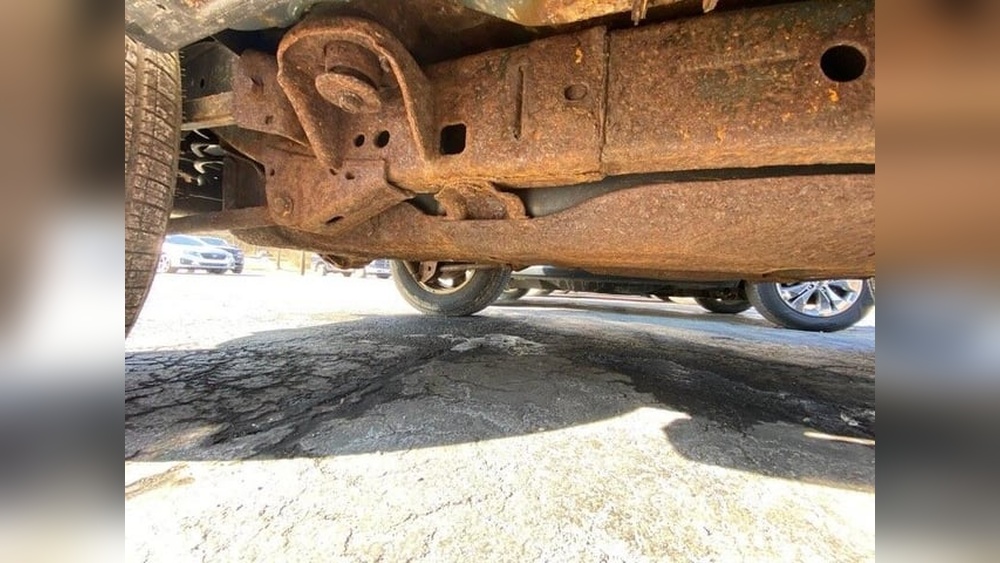
| Frame rails | Exposed to road salt, water, and mud; paint often chips here |
| Fender wells | Mud and debris get stuck, holding moisture |
| Floor pans | Prone to water leaks from removable top/doors |
| Tailgate and door edges | Water collects in seams and inside panels |
| Windshield frame | Flat surface, often chipped by rocks |
Many owners are surprised to find rust inside the vehicle—for example, under the carpets or on the floor, especially after a rainstorm with the top off.
Real-world Data And Owner Experiences
A 2022 survey by CarComplaints. com showed that over 18% of Jeep Wrangler owners reported serious rust issues within the first 5 years.
This was higher than similar SUVs like the Toyota 4Runner (7%) or Ford Bronco (9%).
Another study by J.D. Power found that the 2012-2017 Wrangler JK models had the highest number of rust-related complaints, especially in Northern states.
Experienced Jeep mechanics note that regular off-roaders see rust much sooner. But even daily drivers in cities can get rust if they park outside and rarely wash the underbody.
How To Prevent Or Slow Down Jeep Wrangler Rust
The good news: you can lower your risk of rust with a few smart steps.
- Wash your Jeep regularly. Rinse the underbody, especially after driving in snow, salt, or mud.
- Check and clean drain holes. Make sure water can escape, especially after off-roading.
- Apply a rust inhibitor. Products like Fluid Film or Eastwood Internal Frame Coating add a barrier to the metal.
- Touch up paint chips quickly. Even a tiny scratch can let rust start.
- Install fender liners. These help keep mud and salt off the frame and body.
- Store indoors if possible. Parking in a garage cuts down on moisture exposure.
- Inspect regularly. Look under the carpets, doors, and frame for early signs of rust.
A common mistake is skipping underbody washes in winter. Salt sits on the frame for months and causes rapid rust, even if the rest of the Jeep looks clean.
When Is Rust A Serious Problem?
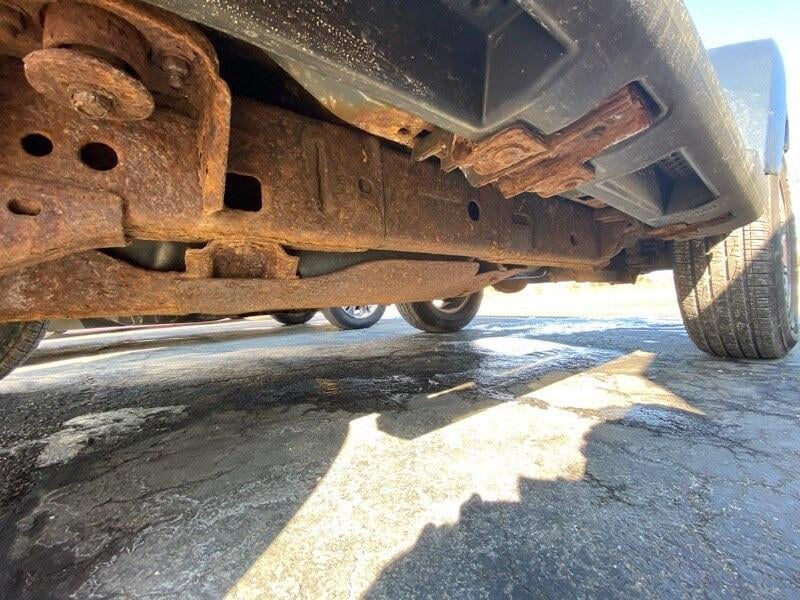
Not all rust is the same. Surface rust—small orange spots—can often be sanded and painted over. But structural rust is different. If the frame or suspension mounts are deeply corroded, your Wrangler can become unsafe.
Here’s a quick comparison of rust severity:
| Rust Type | Appearance | Action Needed |
|---|---|---|
| Surface rust | Orange spots, flaky | Sand and repaint |
| Scale rust | Thick, rough patches | Grind, treat, coat |
| Structural rust | Holes, deep pitting | Professional repair or part replacement |
If you’re buying a used Wrangler, always check the frame and underbody for serious rust. Some sellers cover up rust with paint, but a close look (or a magnet) can reveal weak spots.
Frequently Asked Questions