Every Jeep owner knows that their vehicle is more than just a way to get from one place to another. It’s a culture, a history, and a bond with other drivers who wave, flash headlights, or even leave a small rubber duck on your Jeep’s door handle.
If you’ve seen these colorful ducks and wondered why Jeep owners share them, you’re not alone. The answer is both simple and surprisingly deep, connecting community, kindness, and a bit of fun.
The Origin Of Jeep Ducking
This playful act, known as Jeep ducking, started in 2020 in Ontario, Canada. During the early days of the COVID-19 pandemic, a Jeep owner named Allison Parliament wanted to spread positivity. She placed a small rubber duck on a stranger’s Jeep along with a note of encouragement. The idea quickly caught on and spread across North America and beyond.
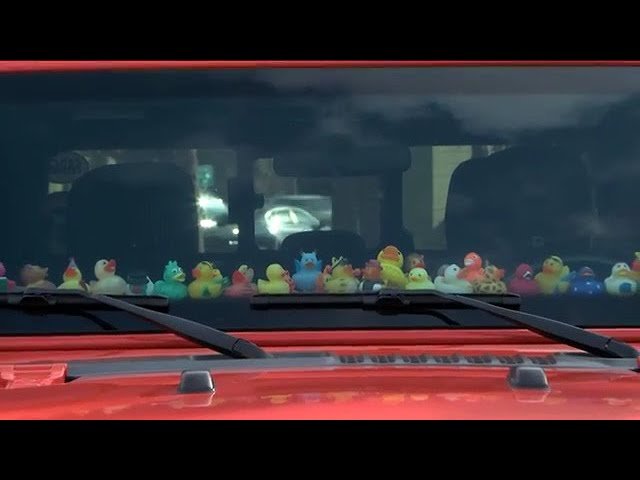
Today, Jeep owners around the world participate. The act is simple: leave a rubber duck on another Jeep, sometimes with a note or hashtag. But the meaning is much bigger—it’s about spreading joy, unity, and a reminder that small gestures can make a big difference.
What The Duck Symbolizes For Jeep Owners
For Jeep drivers, a rubber duck is more than a toy. It’s a symbol of being part of a unique club. Jeep vehicles, especially Wranglers, have always inspired a feeling of brotherhood. Owners wave at each other on the road—a gesture called the “Jeep wave”—and now, ducking is another way to say, “You’re part of the family.”
Some important reasons ducks matter:
- Connection: Ducks show you’re seen and appreciated by fellow Jeep fans.
- Surprise and Delight: Finding a duck on your Jeep brings a smile, especially on a tough day.
- Community: Ducking is a low-cost, fun way to join Jeep culture, even if you’re new.
How Ducking Works
If you want to try ducking, it’s simple and open to everyone. Here are the basic steps:
- Buy rubber ducks—any size or color works, but small ducks are most common.
- Carry ducks with you in your Jeep.
- Spot another Jeep in a parking lot.
- Leave a duck on the door handle, mirror, or hood.
- Optional: Add a note or use hashtags like #duckduckJeep.
Some owners keep a log of the Jeeps they’ve ducked or share photos online. There are even social media groups dedicated to ducking stories.
Here’s a quick comparison of common ways Jeep owners connect:
| Gesture | How It’s Done | Purpose |
|---|---|---|
| Jeep Wave | Wave while passing | Friendly greeting |
| Ducking | Leave a rubber duck | Surprise & connection |
| Headlight Flash | Flash lights at night | Recognition |
Why Ducks Instead Of Other Items?
Many Wonder: Why Not Another Symbol? Why A Rubber Duck?
- Universality: Ducks are cheap, easy to find, and not tied to any specific culture.
- No Damage: A soft rubber duck won’t scratch or harm your Jeep.
- Playfulness: Ducks are fun and instantly recognizable.
- Collectibility: Some owners collect the ducks they receive, creating a dashboard display.
There’s also a practical reason: ducks can handle rain and sun, unlike paper or fabric items. Their bright colors also make them easy to spot.

The Impact On Jeep Community
The ducking trend has made the Jeep community more welcoming, especially for new owners. People who are shy or feel awkward waving get a simple way to connect.
Some Jeep clubs have even organized events where hundreds of ducks are shared in one day.
Besides fun, ducking has inspired acts of kindness. Owners leave notes with positive messages or support charities through duck sales. According to surveys in online Jeep groups, over 70% of Jeep owners say ducking has made them feel more connected to others.
Non-obvious Insights About Jeep Ducking
Many beginners think Jeep ducking is just for Wranglers or only in the US. In reality, the trend is global and includes all Jeep models.
Even Jeep Cherokees and Renegades get ducks. Also, some believe you must leave a note, but the duck alone is enough.
Another insight: the person who leaves the duck often gets as much happiness as the person who receives it. The act is about giving, not expecting thanks.
Here’s a table showing which Jeep models are most likely to get ducked:
| Jeep Model | Chance of Getting Ducked (Estimate) |
|---|---|
| Wrangler | Very High |
| Gladiator | High |
| Cherokee | Medium |
| Renegade | Medium |
| Compass | Low |
Ducking Etiquette: Dos And Don’ts
If you plan to join the trend, a few guidelines help keep it positive:
- Only duck clean, undamaged Jeeps in public places.
- Don’t place ducks inside the vehicle—owners may see this as invasive.
- Avoid ducking cars in restricted or private parking.
- Use clean ducks and avoid anything with sharp edges.
- Respect owners who may not want to participate.
You don’t need to wait for someone to duck your Jeep first. Anyone can start.
Why The Trend Endures
Some trends fade quickly, but ducking remains strong years later. The reason?
It’s low cost, creative, and makes people feel good. In a world where small acts of kindness matter, Jeep ducking gives owners a way to connect beyond online groups or big meetups.
It also builds lasting memories. Some Jeep owners keep their first duck for years.
Others pass ducks along to new owners, creating a chain of positivity. The practice is even featured in Jeep clubs and at events like Jeep festivals.
For a deeper dive into Jeep culture and ducking history, check the official Jeep Wikipedia page.

Frequently Asked Questions
What Is Jeep Ducking?
Jeep ducking is when Jeep owners leave a rubber duck on another Jeep as a friendly gesture. It’s a way to spread positivity and connect with other owners.
Do I Have To Own A Wrangler To Participate?
No. All Jeep models can participate in ducking.
While Wranglers are the most common, Cherokees, Gladiators, and others are often ducked as well.
Is There A Right Way To Leave A Duck?
There are no strict rules. Most people leave ducks on door handles or mirrors.
Some add a note or hashtag, but it’s not required.
Why Are Rubber Ducks Used Instead Of Other Toys?
Rubber ducks are cheap, cheerful, and safe for car exteriors. They won’t scratch paint and are easy to spot.
Is Jeep Ducking Done Outside The United States?
Yes. The trend started in Canada and has spread worldwide.
Jeep owners in Europe, Australia, and other regions also take part.
Jeep ducking is a simple, joyful act that brings people together. Whether you’re new to the community or a longtime fan, leaving or receiving a duck is a reminder that kindness and connection can be found in unexpected places.


















