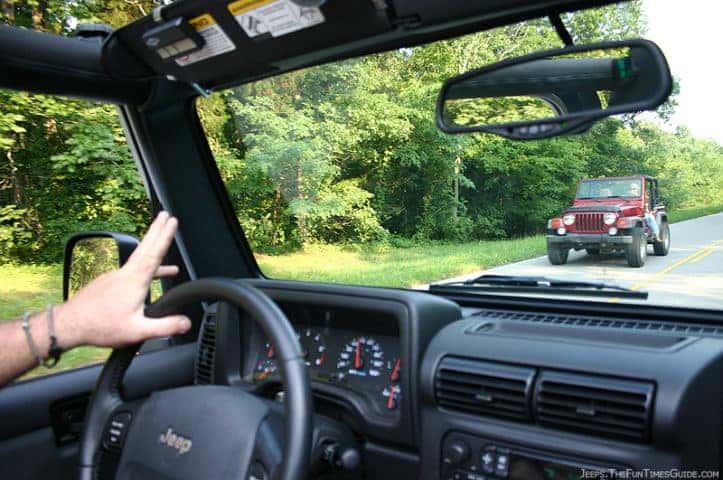
Every Jeep driver knows the feeling: you’re cruising down the road, see another Jeep coming, and—almost like instinct—you lift a few fingers off the steering wheel in a subtle wave. Sometimes it’s a full hand, a peace sign, or a quick nod.
But why do Jeep drivers wave? It’s more than just a friendly gesture.
It’s a tradition rooted in history, culture, and a sense of belonging. Whether you’re a new Jeep owner or a curious observer, understanding the Jeep wave opens a window into one of the most unique communities in the automotive world.
The Origins Of The Jeep Wave
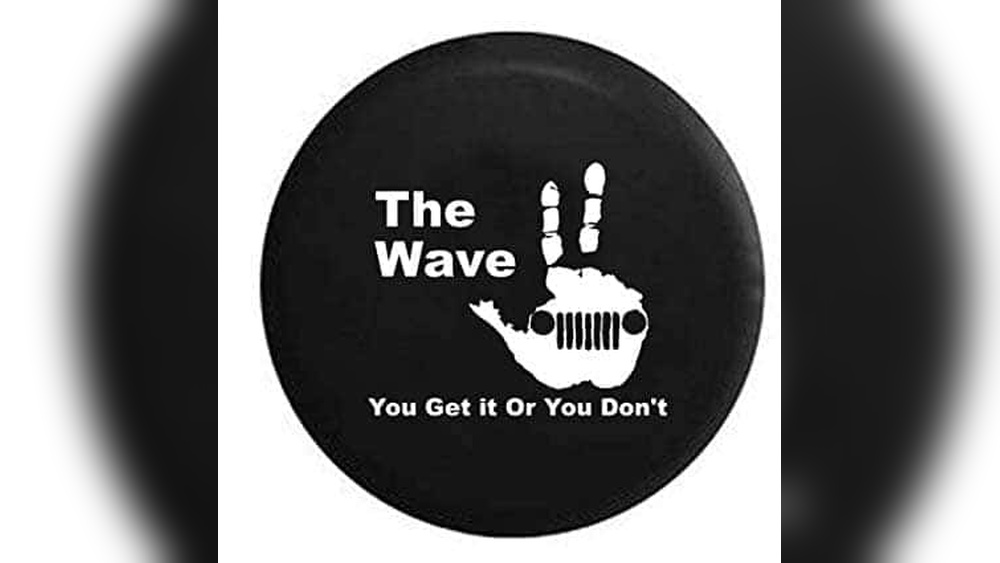
The Jeep wave isn’t just about politeness; it’s a ritual with deep roots. The tradition began back in the 1940s during World War II. Jeep vehicles, originally designed for military use, became a vital part of the Allied forces’ success. Soldiers relied on each other for survival and would often greet fellow Jeep drivers with a wave to acknowledge camaraderie and shared experience—even when they didn’t know each other personally.
After the war, many veterans brought their Jeeps home. The wave followed them into civilian life, becoming a way to recognize fellow drivers who understood what it meant to own and operate a Jeep. Over time, this simple gesture evolved from a nod between veterans into a sign of mutual respect among Jeep owners everywhere.
Jeep Culture: More Than A Vehicle
Jeep isn’t just a car brand; it’s a lifestyle. From the rugged Wrangler to the family-friendly Grand Cherokee, driving a Jeep means joining a club that values adventure, freedom, and community.
A Sense Of Belonging
When you buy a Jeep, you’re not just purchasing a vehicle—you’re entering a family. Owners often refer to each other as part of the Jeep community. The wave is a way to welcome newcomers and recognize those who share the same passion for off-roading, exploring, or just enjoying the open road.
Unspoken Rules
The Jeep wave isn’t random. There’s an unwritten code that guides who waves first and how the gesture is returned. For example, many believe that drivers of older or more rugged Jeeps should be waved to first, as a sign of respect for their dedication to the brand’s roots. If you’re driving a shiny new Jeep and pass someone in a dusty, trail-worn Wrangler, you should initiate the wave.
How The Jeep Wave Works
The wave itself is simple, but there are different styles depending on the driver, region, and situation.
Common Wave Styles
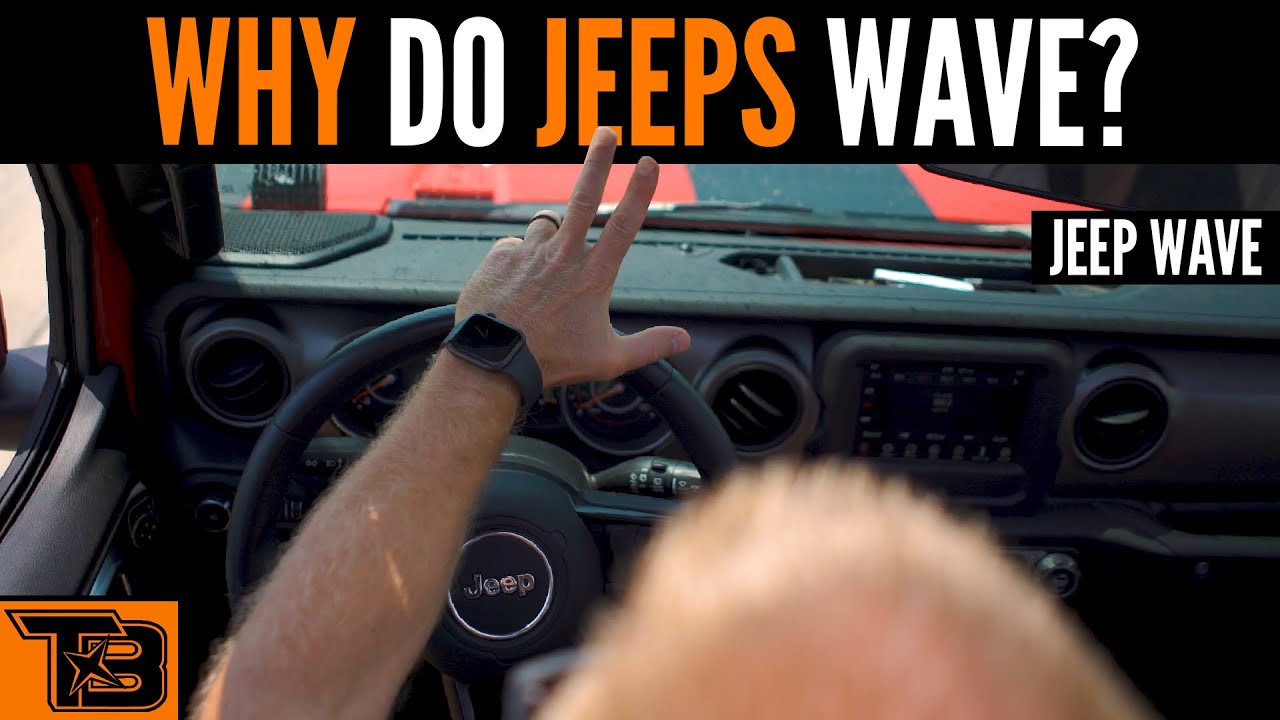
- Two-finger salute: The most popular, where the driver lifts the index and middle finger from the steering wheel.
- Full hand wave: A bigger gesture, often used on backroads or during group rides.
- Peace sign: Especially common among younger drivers or in more relaxed environments.
- Head nod: Subtle, but still meaningful, for when your hands are busy.
When To Wave
Most Jeep drivers wave when they see another Jeep of similar style, especially the Wrangler. However, some extend the tradition to all Jeep models, including Cherokees, Gladiators, and even older models like the CJ or Willys.
The wave is most common in rural areas or on less crowded roads, where it’s easier to spot other Jeep drivers.
Comparing The Jeep Wave To Other Automotive Traditions
Is the Jeep wave unique? Not entirely.
Other car communities have similar traditions, but the Jeep wave stands out for its widespread use and long history.
| Car Community | Signature Gesture | How Common |
|---|---|---|
| Jeep | Two-finger or full hand wave | Very common |
| Motorcycle Riders | Low hand wave | Extremely common |
| Corvette Owners | Head nod or wave | Moderately common |
| Classic Car Drivers | Thumbs up or wave | Occasional |
While motorcycle riders have a similar code, the Jeep wave is different because of its inclusivity. Anyone with a Jeep can participate, regardless of age, model, or driving style.
Why Do Jeep Drivers Value The Wave?
Jeep drivers aren’t just waving to be friendly. The gesture carries deeper meaning that connects to the vehicle’s reputation and the personality of its owners.
Jeeps are built for adventure—off-road trails, muddy roads, and challenging terrain. When you see another Jeep, you know that driver understands the spirit of exploration. The wave is a silent agreement: “We both get it.”
Respect For The Brand
Older Jeeps, especially Wranglers and CJs, are known for their durability and capability. Waving is a way to show respect for other drivers who appreciate and maintain these classic vehicles. It’s also a nod to the brand’s military history and reputation for reliability.
Building Community
The wave helps build a sense of unity. Even in a crowded city, it’s a way to feel connected to someone else who shares your interests.
For many, it’s a small but important reminder that they’re part of something bigger.
The Unwritten Rules Of The Jeep Wave
Not every Jeep driver waves, and not every situation is appropriate. But most owners follow a few basic guidelines.
Who Should Wave First?
There’s a common understanding (though not a hard rule) about who initiates the wave:
- Older Jeeps: Drivers of vintage models like the CJ or Willys usually receive the wave first.
- Wrangler over Other Models: The Wrangler is seen as the “purist’s Jeep,” so Wrangler drivers tend to wave to each other more than to Cherokee or Compass drivers.
- Modified Jeeps: If your Jeep is clearly set up for off-roading (big tires, lifted suspension), you’re expected to wave to others with similar setups.
- Drivers on Trails: Off-road, everyone waves—no exceptions.
Common Situations Where The Wave Happens
- Passing on two-lane roads
- Meeting at trailheads or off-road parks
- During Jeep club events or meetups
- Even in parking lots when spotting another Jeep
Jeep Wave Etiquette: Dos And Don’ts
Most Jeepers take the wave seriously, but there’s room for personal style. Still, a few etiquette tips help avoid confusion.
Dos
- Be consistent: Wave regularly, especially in areas where the tradition is strong.
- Be friendly: Even if the other driver ignores you, keep waving. It’s about community, not ego.
- Teach newcomers: If you spot a new Jeep owner, explain the tradition.
Don’ts
- Don’t wave at every SUV: Not all SUVs are Jeeps. Save your wave for fellow Jeep drivers.
- Don’t expect a response every time: Some drivers don’t know about the tradition, especially if they’re new to the brand.
- Don’t overdo it: A simple gesture is enough. No need for dramatic waves.
Jeep Wave Hierarchy: Does It Really Exist?
There’s a lot of talk about a “Jeep wave hierarchy. ” Some believe that certain models or modifications earn more respect.
Here’s a look at how some drivers see the pecking order.
| Jeep Model/Type | Wave Priority (1=Highest, 5=Lowest) | Typical Modifications |
|---|---|---|
| Willys/CJ | 1 | Classic restoration, off-road build |
| Wrangler (TJ/YJ/JK/JL) | 2 | Lift kits, big tires, winches |
| Gladiator | 3 | Off-road upgrades, racks |
| Cherokee/Grand Cherokee | 4 | Light off-road mods, daily driver |
| Compass/Renegade | 5 | Mostly stock, city driving |
This “hierarchy” is debated. Some see it as unnecessary gatekeeping, while others enjoy the playful competition.
Most importantly, the wave is about inclusion, not exclusion.
How The Jeep Wave Has Evolved
Jeep culture is always changing. The wave, too, has adapted to new models, technologies, and generations of drivers.
With the rise of social media, Jeep owners now share wave stories, photos, and memes online. Clubs organize events where hundreds of Jeeps gather, and the wave becomes a show of unity. In some places, there are even Jeep Wave programs—official loyalty programs that encourage community.
Younger Drivers
As younger people buy Jeeps, the style of the wave sometimes changes. You might see more peace signs, thumbs up, or even custom hand gestures. The core idea stays the same: acknowledge, respect, and welcome.
Commercial Influence
Jeep itself has embraced the tradition. Some dealerships explain the wave to new buyers, and there are even Jeep Wave decals and merchandise. The company’s official loyalty program, “Jeep Wave,” offers perks like free maintenance and trip planning, showing how important the tradition is to the brand.
Why Some Jeep Drivers Don’t Wave
While the wave is common, not everyone participates. There are several reasons:
- New Owners: Some people buy a Jeep for practical reasons and aren’t aware of the tradition.
- Urban Drivers: In busy cities, it’s harder to spot other Jeeps, and the wave is less common.
- Model Differences: Owners of models like the Compass or Renegade may feel left out, as the wave is most common among Wrangler drivers.
- Personal Preference: Some people just don’t like waving or engaging with strangers.
Interesting Facts About The Jeep Wave
- First documented Jeep wave: Believed to have started with returning WWII soldiers.
- Jeep Wave Day: Celebrated by fans on July 15, which is also Jeep’s birthday.
- Wave penalties: Some Jeep clubs have playful “fines” for missing a wave, like buying donuts for the group.
- Worldwide reach: The wave is recognized in many countries, not just the United States.
- Jeep Wave app: Some enthusiasts have created apps to help new drivers learn about the tradition.
The Psychology Behind The Jeep Wave
The wave does more than pass the time—it builds a sense of identity and belonging. Psychologists call this in-group bonding: people feel connected to others who share their interests. Driving a Jeep is a visible sign of that group membership, and the wave is a public way to acknowledge it.
This is similar to how sports fans wear team colors or motorcycle riders greet each other. The difference is that Jeep drivers don’t just share a brand; they share a whole philosophy of adventure and freedom.
Non-obvious Insights For New Jeep Owners
- Waving is a conversation starter: If you meet another Jeep driver at a gas station or trailhead, the wave can lead to real-life friendships. Many Jeepers are eager to swap stories or offer advice.
- The wave can signal help: In remote areas, Jeep drivers sometimes use the wave to check if others are okay. No wave back might mean someone needs assistance.
- Wave even if you’re unsure: If you’re not sure whether the other vehicle is a Jeep, wave anyway. Most drivers appreciate the effort, even if they’re not part of the club.
Embracing The Jeep Wave
For many, the Jeep wave is a small but meaningful tradition. It’s a reminder that you’re part of a community that values kindness, adventure, and respect.
If you’re new to the Jeep family, don’t stress about getting it perfect. Just lift a hand, smile, and enjoy the ride.
Want to learn more about Jeep’s history and culture? Check out the official Jeep Wikipedia page for a deeper dive.
Frequently Asked Questions
Why Don’t All Jeep Drivers Wave?
Not all Jeep drivers know about the tradition, especially new owners or those driving in big cities. Some people may also feel shy or simply prefer not to wave.
Is The Jeep Wave Only For Wranglers?
The wave is most common among Wrangler owners, but many drivers include other models like the Cherokee, Gladiator, or Grand Cherokee. Some communities are more inclusive than others.
What If Someone Doesn’t Wave Back?
Don’t take it personally. They might not see you, may not know about the tradition, or could be distracted. Keep waving—most drivers appreciate it.
How Do I Know When To Wave?
If you spot another Jeep—especially a model similar to yours—give a wave. It’s best on less crowded roads or when you can make eye contact with the other driver.
Are There Official Jeep Wave Rules?
There’s no official rulebook, but there are common practices (like waving first if you drive a newer model). The main idea is to be friendly and respectful.
The next time you see a Jeep coming your way, remember: the wave is more than a gesture. It’s a symbol of adventure, respect, and a community that spans generations. Enjoy the ride—and don’t forget to wave.


















