Why Did Jeep Name The Cherokee
The name Jeep Cherokee is known around the world. Many people recognize this rugged SUV, but few know why Jeep chose the name "Cherokee."
The story behind this name is a mix of marketing strategy, American history, and changing ideas about branding. Understanding why Jeep picked "Cherokee" gives us a deeper look at how car names shape the way we think about vehicles.
The Birth Of The Jeep Cherokee Name
In the early 1970s, the SUV market was just starting to grow. Jeep wanted a name that would connect with American buyers and create a feeling of adventure. The company was inspired by the Native American Cherokee Nation, one of the most famous indigenous tribes in the United States.
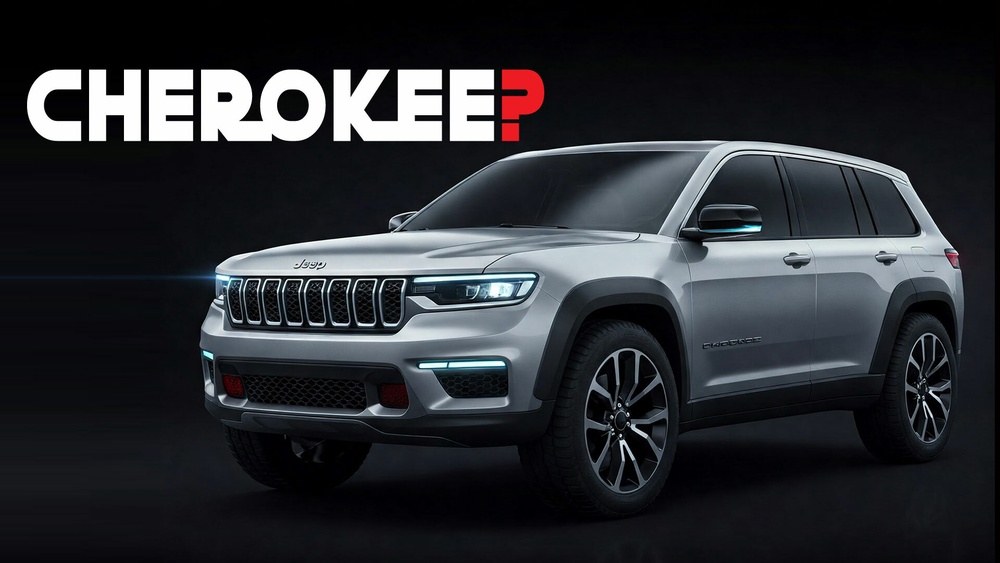
Why did Jeep choose this name? The answer is both simple and complex. At the time, car makers often used Native American names to suggest strength, endurance, and a connection to the land. Other brands had models like the Pontiac Firebird and the Chevrolet Apache. Jeep believed that “Cherokee” would help the SUV stand out as a symbol of ruggedness and freedom.
How The Name Influenced Jeep’s Image
The word “Cherokee” shaped how people saw the SUV from the start. For many, the name brought to mind images of open landscapes, tough journeys, and a spirit of adventure.
Jeep wanted buyers to think of the Cherokee as a vehicle that could handle any challenge.
The first Cherokee model appeared in 1974 as a two-door version of the Jeep Wagoneer. It was marketed as a sporty, go-anywhere SUV that fit both city and country life.
This image helped the Cherokee quickly gain popularity.
Key Factors Behind The Name Choice
Several reasons made “Cherokee” a smart choice for Jeep:
- Cultural recognition: The Cherokee Nation is well-known in American history.
- Brand identity: The name suggested strength and endurance.
- Market trends: Other car companies were also using Native American names.
- Unique sound: “Cherokee” is easy to say and remember.

Cultural Impact And Controversy
In the 1970s and 1980s, using Native American names was common in marketing. However, as time passed, some people began to question if this practice was respectful.
Today, the use of “Cherokee” is a topic of debate.
The Cherokee Nation has asked Jeep to stop using the name, saying it does not honor their people. This has led to conversations about what is appropriate in branding. Jeep has said they chose the name to show respect, but opinions are divided.
Comparing Past And Present Views
Here is a look at how views on the name have changed:
| Decade | General Public Opinion | Cherokee Nation Response |
|---|---|---|
| 1970s–1980s | Mostly positive or neutral | Little public comment |
| 1990s–2000s | Growing awareness of cultural issues | Occasional statements |
| 2010s–2020s | More debate and criticism | Formal request to stop using the name |
The Cherokee Name In The Market
The Jeep Cherokee quickly became one of the company’s best-selling models. Its name helped set it apart from other SUVs. Over the years, Jeep released several versions, including the compact Jeep Cherokee XJ and the larger Grand Cherokee.
Sales numbers show how successful the Cherokee name has been:
| Model | First Year Sold | Units Sold (2021, US) |
|---|---|---|
| Cherokee | 1974 | 89,126 |
| Grand Cherokee | 1992 | 264,444 |
The Cherokee name has stayed popular for nearly fifty years. This long history shows the power of a memorable name in the auto industry.
Insights That Most People Miss
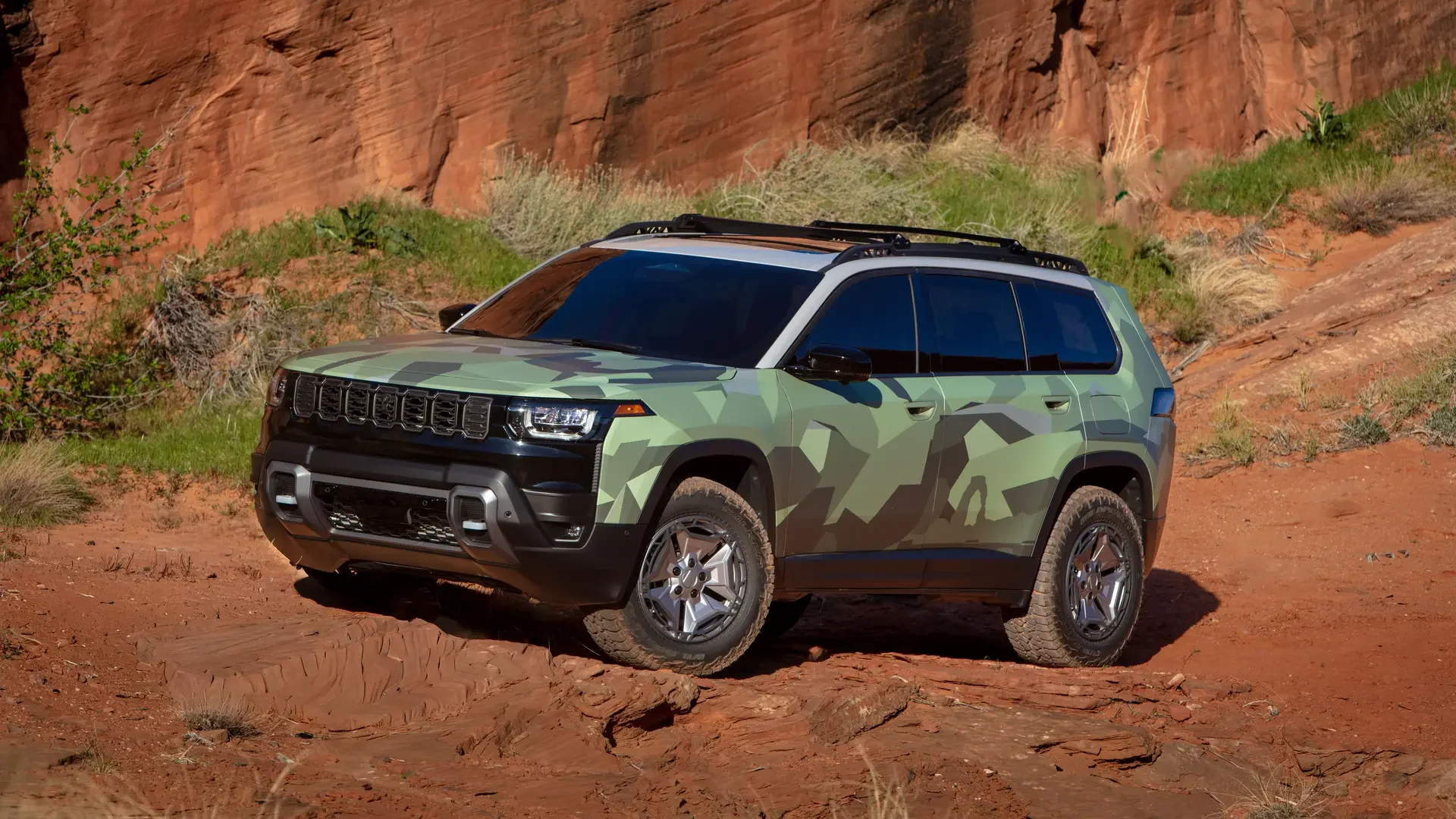
Many people do not realize that the Jeep Cherokee was not always the rugged, boxy SUV we see today. The earliest Cherokees were designed to be more like family cars than off-road trucks. Jeep changed the design over time to match buyers’ changing tastes.
Another detail often missed is that Jeep considered other names before settling on “Cherokee. ” Internal documents show that names like “Navajo” and “Comanche” were also discussed, but “Cherokee” won because it tested best with focus groups.
Why The Name Matters Today
The debate around the name “Cherokee” is not just about marketing. It is part of a larger conversation about cultural respect and how brands use history to sell products. Some car buyers now look for companies that consider these issues before naming their models.
Still, the Cherokee name remains powerful in the market. For many, it stands for adventure and reliability.
For others, it is a reminder of the need to think carefully about how we use cultural symbols.
Jeep’s Response To Criticism
Jeep has said that it uses the name “Cherokee” to honor the tribe’s strength and legacy. The company has started conversations with the Cherokee Nation to find common ground. However, as of 2024, Jeep continues to use the name on its vehicles.


















