Jeep Wranglers have a legendary reputation for off-road power and a rugged look. Yet, many owners and experts say these vehicles have real problems.
Why do so many call Jeep Wranglers “so bad”? Let’s dig into the facts, data, and common frustrations to understand the full story.
Reliability Concerns
Jeep Wranglers are known for their unique design, but reliability is not their strong suit. Owners often report frequent repairs and unexpected breakdowns. According to Consumer Reports, the Wrangler often scores below average for reliability compared to other SUVs.
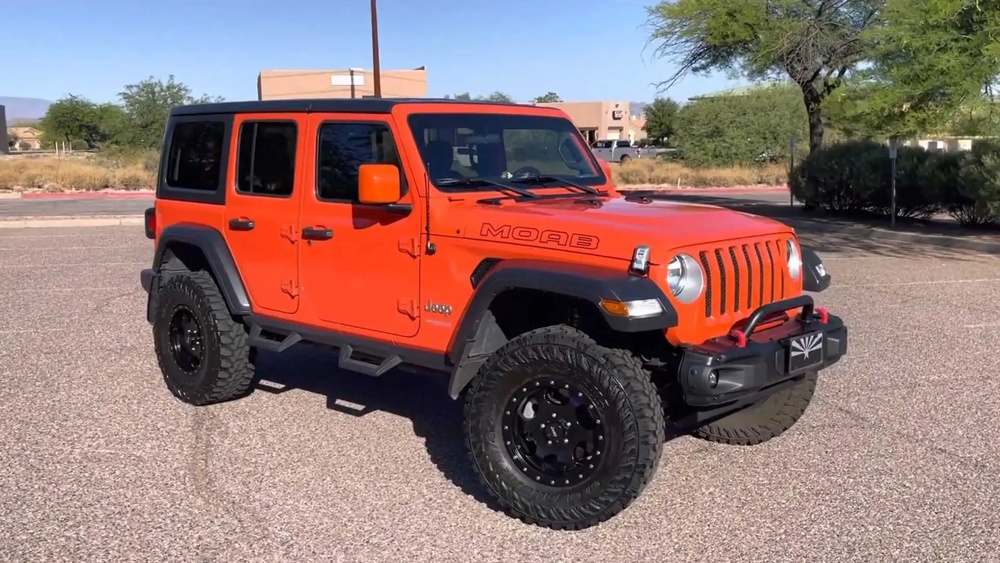
Common issues include:
- Electrical problems: Owners often face window, lock, or dashboard glitches.
- Transmission troubles: Sudden jerks or shifting delays are not unusual.
- Suspension faults: The solid axle design can lead to shaky rides and early wear.
Reliability Comparison
Here’s how the Jeep Wrangler compares to other popular SUVs:
| Model | Reliability Rating (out of 5) | Annual Repair Cost |
|---|---|---|
| Jeep Wrangler | 2.5 | $694 |
| Toyota 4Runner | 4.0 | $514 |
| Honda CR-V | 4.5 | $407 |
These numbers show why some drivers feel let down by their Wrangler’s dependability.
Poor On-road Performance
While the Wrangler is a beast off-road, everyday driving is where it struggles. Many owners complain about:
- Bumpy ride: The suspension is built for trails, not highways.
- Noisy interior: Wind and road noise are hard to ignore, especially at high speeds.
- Imprecise steering: The steering can feel loose, making highway driving tiring.
This design focus means the Wrangler sacrifices on-road comfort for off-road ability. Some people love this raw experience, but many regular drivers do not.
Ride Comfort Comparison
Let’s see how the Wrangler stacks up against its rivals:
| Model | Ride Comfort (1-10) | Noise Level (1-10) |
|---|---|---|
| Jeep Wrangler | 4 | 3 |
| Subaru Outback | 8 | 7 |
| Ford Bronco | 6 | 5 |
Safety Issues
Another area where the Jeep Wrangler gets criticized is safety. Crash tests from the IIHS (Insurance Institute for Highway Safety) show some worrying results.
- The Wrangler has a “Marginal” small overlap front crash test rating.
- Rollover risk is higher due to the tall, narrow shape.
- Side-impact protection is not as strong as modern SUVs.
One non-obvious fact: Many Wranglers have removable doors and roofs, which can make side-impact injuries worse.
Safety Comparison
| Model | IIHS Overall Rating | Rollover Risk |
|---|---|---|
| Jeep Wrangler | Marginal | High |
| Toyota RAV4 | Good | Low |
| Ford Escape | Good | Low |
The Wrangler’s unique features make it fun off-road, but less safe for families or city driving.
Fuel Economy And Costs
Drivers who use their Wranglers as daily cars often complain about poor fuel economy. The boxy shape and heavy build mean the Wrangler drinks more gas than most SUVs.
The EPA rates the typical Wrangler at 17 mpg city/25 mpg highway. By comparison, a Toyota RAV4 gets up to 27 mpg city/35 mpg highway.
On top of this, insurance and repair costs are higher. Wranglers also lose value faster than some competitors, especially if heavily modified or used for tough off-roading.
Practicality Problems
The Wrangler’s unique design brings practical issues for everyday life:
- Small cargo space: The rear is tight, especially in the 2-door model.
- Hard-to-use features: Folding the windshield or removing the doors takes time and tools.
- Tall step-in height: Getting in and out can be tough for children or older adults.
One often-overlooked issue is leaks—many owners report water entering after rain or car washes, especially with the soft top.
Why Do People Still Buy Them?
Despite all these drawbacks, the Wrangler remains popular. Why? Some love the iconic look, open-air driving, and off-road power. For these buyers, the Wrangler’s flaws are part of the experience. However, for most drivers who want a quiet, comfortable, and reliable daily vehicle, the Wrangler is often disappointing.
Many first-time buyers focus on the adventure image and forget about:
- High resale loss from off-road use or modifications.
- Limited tech: Even new Wranglers often lack advanced safety features or smooth infotainment systems.
It’s wise to test drive for a day, not just a short ride, to see if you can live with the everyday quirks.
Should You Avoid The Jeep Wrangler?
If you need a dependable daily driver, there are better choices. If you crave off-road fun and can live with the compromises, a Wrangler might be perfect. Just don’t expect a luxurious or trouble-free ownership experience.
For more detailed crash test results, visit the official IIHS Jeep Wrangler ratings.
Frequently Asked Questions
Why Do Jeep Wranglers Break Down So Often?
Jeep Wranglers use a rugged design built for off-road use. This means more stress on parts, and less focus on everyday reliability. Electrical and suspension problems are especially common.
Are Jeep Wranglers Safe For Families?
Wranglers offer basic safety, but crash test ratings are lower than most SUVs. The removable doors and roof add risk in accidents. They’re not the safest choice for families.
Is The Jeep Wrangler Fuel Efficient?
No, Wranglers have poor fuel economy. Most get 17–25 mpg, which is less than most compact SUVs. The design is not focused on saving gas.
What Is The Most Common Problem With Jeep Wranglers?
The most frequent issues include electrical faults, suspension wear, and water leaks. Transmission problems are also often reported in owner surveys.
Are Jeep Wranglers Expensive To Maintain?
Yes, maintenance costs are higher than average. Parts wear out faster, and repairs can be costly—especially after heavy off-road use.
Budget for above-average upkeep if you own one.
The Jeep Wrangler is a unique vehicle with a loyal following. But for many drivers, the reality doesn’t match the dream.
If you value comfort, reliability, and safety, it’s smart to look elsewhere. If you want adventure and don’t mind the quirks, then the Wrangler’s unique charm might be worth it.