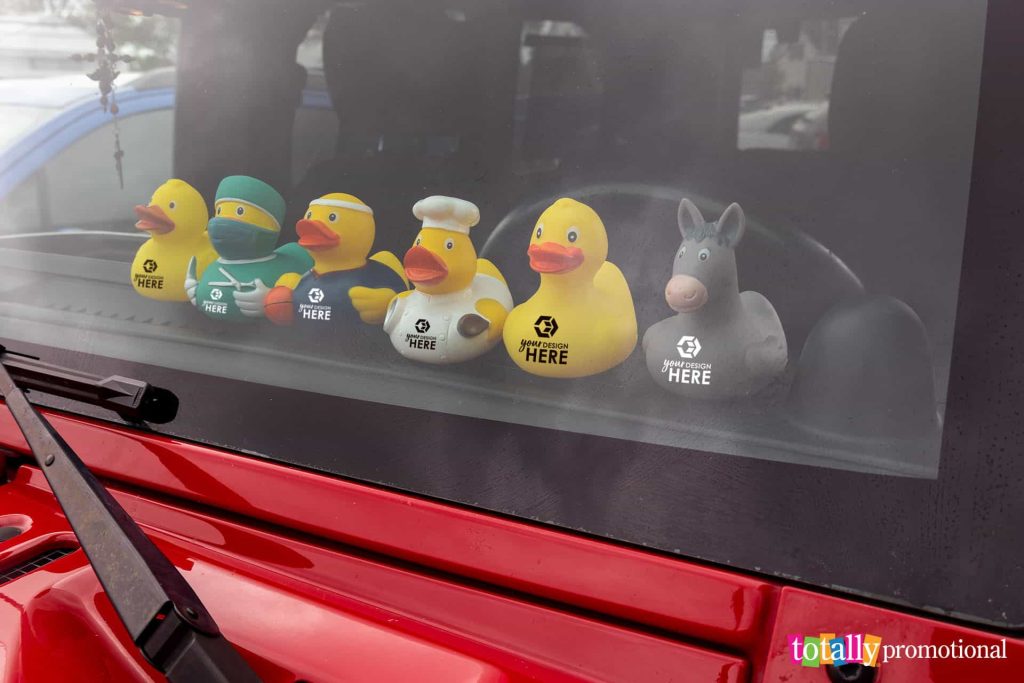
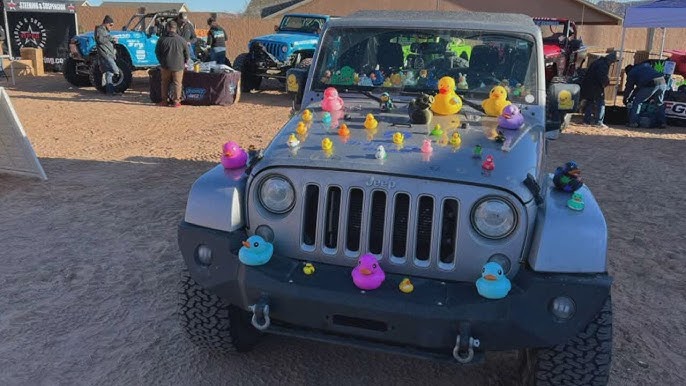
Every so often, a quirky trend pops up that makes people smile and wonder, “Where did that come from?” If you’ve seen tiny rubber ducks sitting on the hoods, mirrors, or dashboards of Jeeps, you might be curious about this unique tradition.
The sight of a bright yellow duck on a rugged Jeep has become common in many parking lots, off-road parks, and city streets. But why are Jeep owners putting ducks on Jeeps?
The answer is a mix of fun, kindness, and community spirit.
How The Jeep Ducking Trend Began
The story of Jeep ducking started in 2020, during the early days of the COVID-19 pandemic. A Jeep owner in Ontario, Canada, decided to place a rubber duck on another Jeep as a random act of kindness. She left a note with the duck, simply saying, “Nice Jeep!” What began as a small gesture quickly caught on.
Social media helped the trend spread. Jeep owners started sharing photos of their “ducked” vehicles, often tagging the moment with hashtags like #DuckDuckJeep.
Within months, the movement grew from Canada to the United States and beyond. Today, Jeep ducking is popular in Australia, the UK, and many other countries.
What Does Jeep Ducking Mean?
At its heart, ducking is about spreading joy and building connections. When someone places a duck on a Jeep, it’s a compliment to the owner. It means, “I like your Jeep!” or “You’re part of the Jeep family.” There’s no competition, and it doesn’t matter what model or year the Jeep is.
Ducking is also a way for people to share positivity during difficult times. During the pandemic, many people felt isolated. A little rubber duck was a simple reminder that someone cared. Even as life returns to normal, the tradition continues.
How Jeep Ducking Works
Ducking is easy and has just a few simple “rules”:
- Buy a pack of small rubber ducks. Most people choose bright colors, but any style works.
- Carry ducks with you when you drive your Jeep.
- If you see another Jeep that you like, leave a duck on it. The duck can go on the door handle, hood, or mirror—somewhere visible but safe.
- Many people write a short note or use a tag that says, “You’ve been ducked!”
- Take a photo, if you want, and share it on social media with #DuckDuckJeep.
There’s no obligation. Owners can keep the duck, pass it on, or build a collection on their dashboard.
Why Jeep Owners Love Ducking
1. Community Spirit
Jeep owners often talk about the “Jeep wave,” a friendly greeting between drivers. Ducking is another way to show belonging. It’s a reminder that the Jeep community is open and supportive.
2. Spreading Positivity
A small, silly duck can brighten someone’s day. For many, it’s the little surprises that make life better.
Jeep ducking takes almost no effort, but it leaves a big impact.
3. Collecting Ducks
Some Jeep owners have turned ducking into a hobby. They collect ducks from different places, colors, and events.
Some even customize ducks with stickers or tiny hats. It’s a fun way to personalize a vehicle.
4. Encouraging Kindness
Ducking is more than a trend—it’s about random acts of kindness. Many people have started using ducks to raise awareness or support charities, such as making donations for every duck given.
Jeep Ducking Vs. Other Car Culture Trends
To see how ducking compares to other car traditions, here’s a quick look:
| Trend | Vehicle Type | Main Purpose |
|---|---|---|
| Jeep Ducking | Jeeps (all models) | Spread kindness & community |
| Truck Antlers | Pickups/SUVs | Holiday decoration |
| VW Bug Flower Vase | Volkswagen Beetle | Personal style |
| Mini Cooper Mustaches | Mini Cooper | Humor & identity |
Jeep ducking is unique because it’s open to all Jeep models and focuses on surprise and kindness, not just style.
Common Questions Beginners Have
New Jeep owners often wonder if ducking is just for Wranglers, or if there are any “rules.” Here are some insights:
- Any Jeep can be ducked. This includes Cherokees, Grand Cherokees, and Renegades, not just Wranglers.
- There’s no age limit. Both kids and adults participate.
- You don’t have to return the duck. Many keep their first duck as a memory.
- No one is required to duck. It’s a tradition, not a rule.
One thing many miss: ducks can lead to conversations with strangers. Owners often connect at gas stations or Jeep meetups after being ducked.
The Deeper Meaning: Why It Stuck
The Jeep ducking trend lasted longer than many car fads because it meets a real need for connection. During the pandemic, people searched for ways to interact safely. A rubber duck was a simple answer. But even now, as life is busier and more digital, small acts of kindness stand out.
Jeep ducking also fits with the brand’s adventurous, playful spirit. Jeep drivers are known for exploring, helping others, and showing pride in their vehicles.
Ducking adds a lighthearted twist to this culture.
How To Start Ducking
If you want to join the trend:
- Buy rubber ducks in bulk—online stores and party shops sell them cheaply.
- Add a tag or note with a kind message or your name.
- Look for Jeeps in parking lots, trails, or car shows.
- Leave the duck in a safe, visible spot.
- Share online if you want, but it’s not required.
Some people even organize “duck exchanges” at Jeep events, where hundreds of ducks are swapped.

Fun Facts And Surprising Stats
- The #DuckDuckJeep hashtag has over 250,000 posts on Instagram.
- Jeep ducking is now part of official Jeep events, including the annual Jeep Jamboree.
- Some Jeep dealerships have started giving ducks to new customers.
- Ducking is not just for North America—clubs in Australia and Europe have joined in.
Many people also track where their ducks travel. If a duck has a social media tag or a location written on it, it may show up in photos from a different state or even country.
Ducking Mistakes To Avoid
While ducking is simple, there are a few things to watch out for:
| Mistake | Why Avoid It? |
|---|---|
| Placing ducks in unsafe spots | Could block vision or damage the vehicle |
| Using glue or tape | May leave residue on paint or glass |
| Choosing large or heavy ducks | Small ducks are less likely to roll off or scratch surfaces |
| Forgetting a kind message | A note adds meaning and context |
If you’re new, start small and watch how other Jeep owners do it.
Jeep Ducking In The Media
The ducking trend has appeared in news stories, Jeep magazines, and even on TV. Some Jeep groups use ducking as a way to raise money or awareness for local causes. If you want to learn more about its origins and growth, check out the Duck Duck Jeep Wikipedia page.
Frequently Asked Questions
What Is Jeep Ducking?
Jeep ducking is a tradition where Jeep owners leave rubber ducks on other Jeeps to spread kindness and community spirit.
Can Any Jeep Be Ducked?
Yes, all Jeep models are included in this tradition—not just Wranglers.
Is It Okay To Keep The Duck?
Absolutely. Most people keep their first duck as a memory, but you can also pass it on.
Where Should I Leave The Duck?
The best spots are door handles, mirrors, or the hood—anywhere safe and easy to see.
Do I Need To Write A Note?
Adding a short note or tag with your duck is encouraged. It helps the owner understand the gesture.
Rubber ducks on Jeeps may seem like a small thing, but they show how simple acts can build a bigger, friendlier community. If you see a duck on your Jeep, know that you’re part of a fun, worldwide tradition.