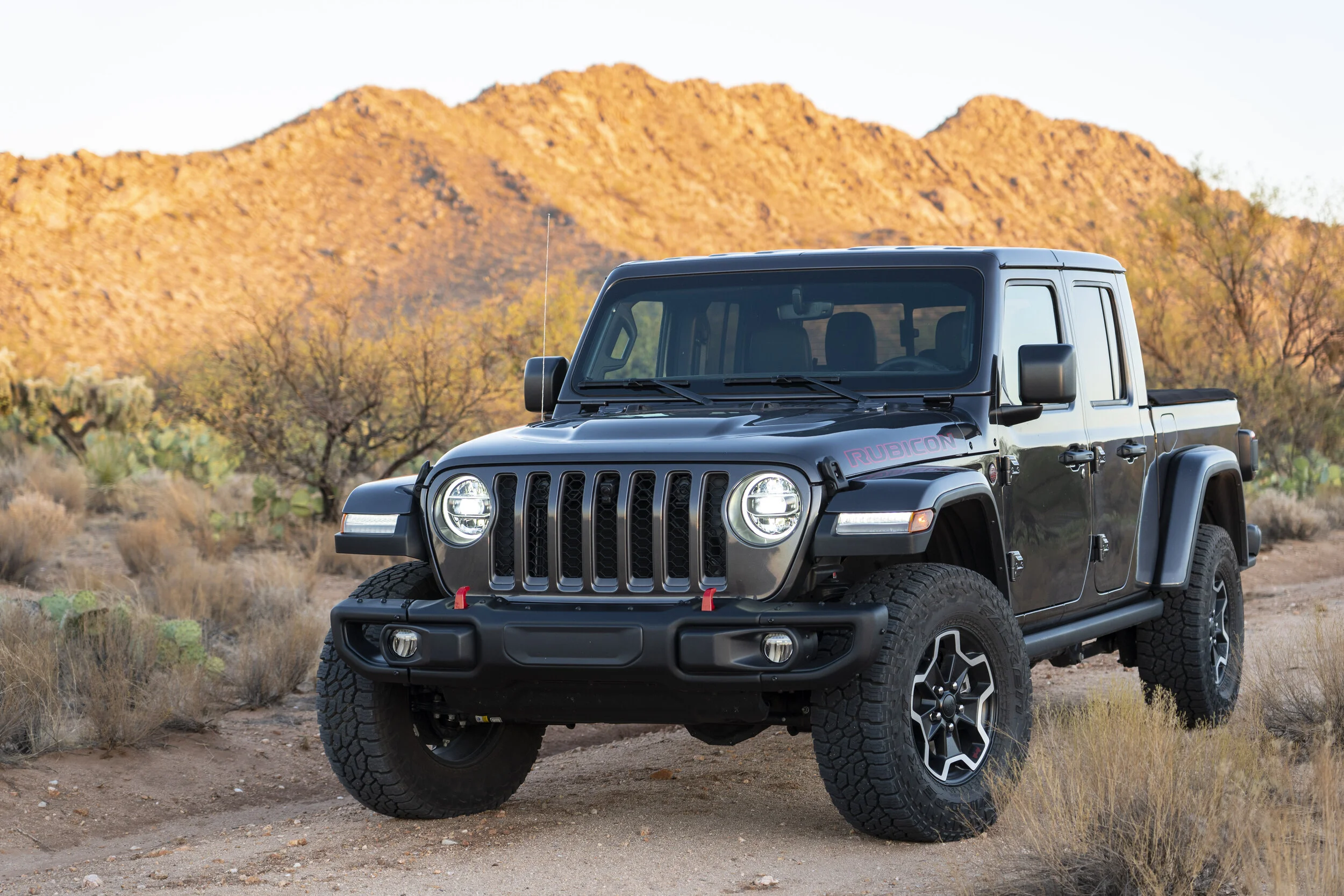
The Jeep Gladiator Diesel engine stands out as a rare option in the midsize pickup world. Many drivers are curious about who actually makes this engine, how it performs, and what sets it apart.
If you’re considering a Gladiator Diesel or just want to understand more about its heart, this guide will give you clear answers and helpful insights.
Who Builds The Jeep Gladiator Diesel Engine?
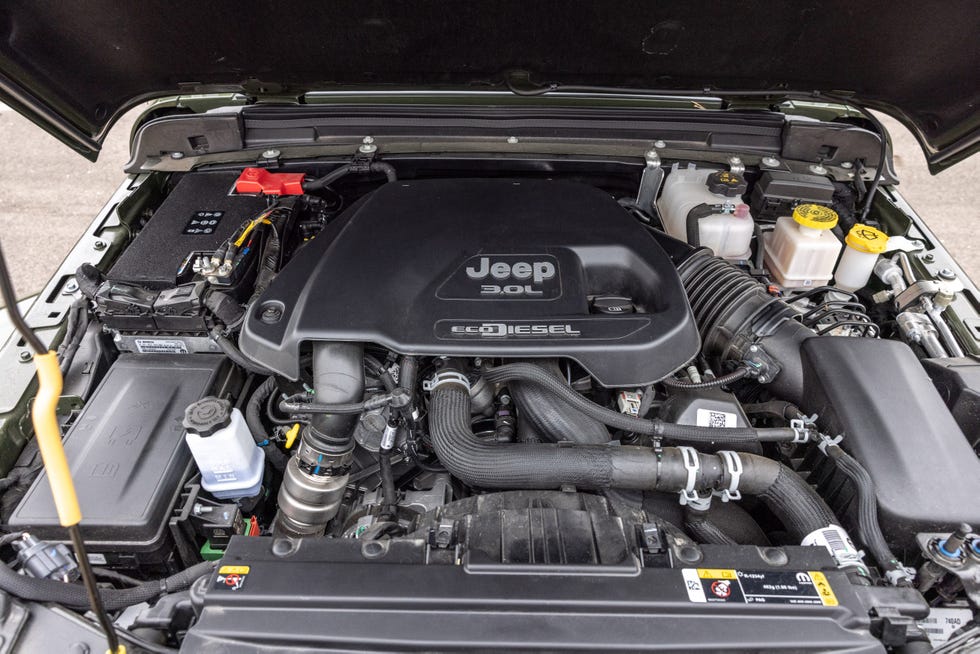
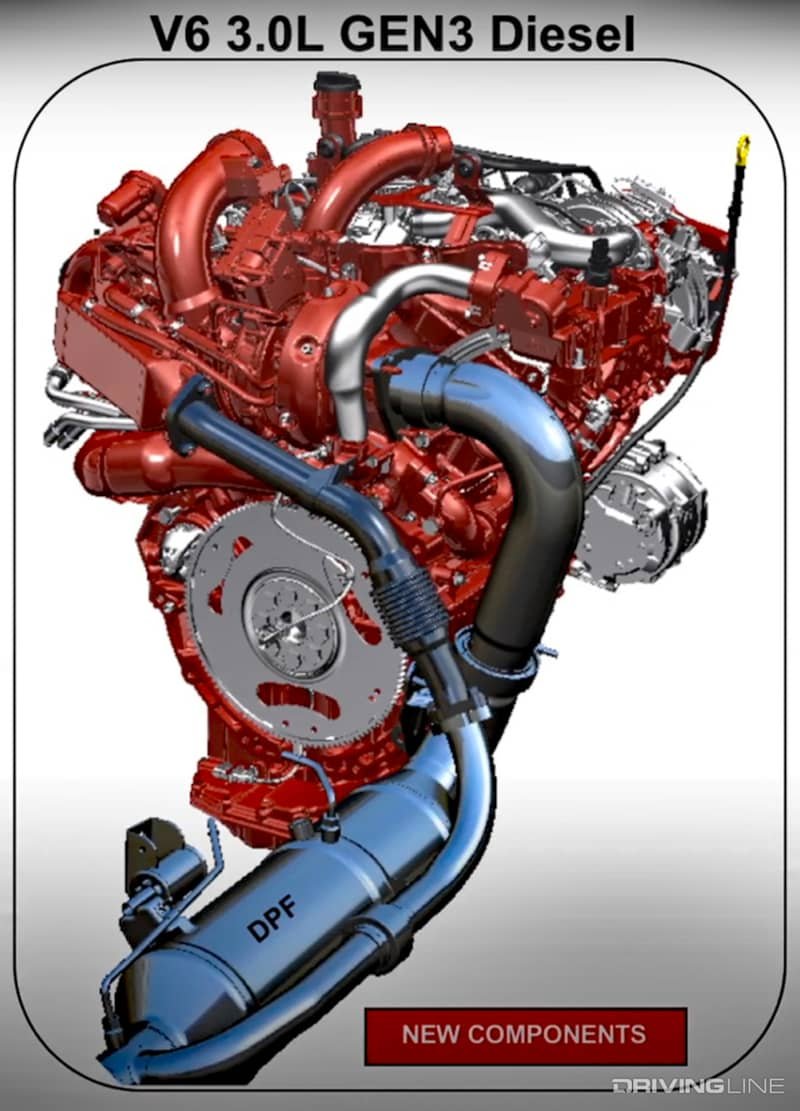
The Jeep Gladiator Diesel uses the 3.0-liter EcoDiesel V6 engine. This engine is not made directly by Jeep. It is produced by VM Motori, an Italian company specializing in diesel engines. VM Motori has a long history of designing engines for various brands, including Jeep, Ram, and even some European manufacturers.
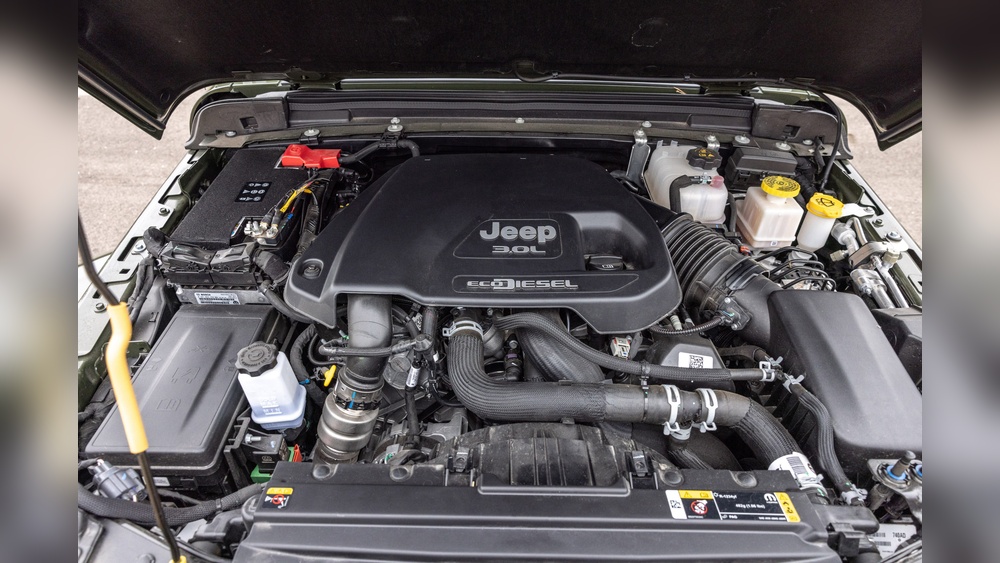
VM Motori is owned by Stellantis, the parent company of Jeep. The Gladiator’s EcoDiesel is a result of collaboration between VM Motori and engineers from Jeep and Ram, ensuring the engine fits American needs and regulations.
Ecodiesel Engine Details
The EcoDiesel engine powering the Jeep Gladiator is known for its balance of power and efficiency. Here are its core specifications:
| Specification | Details |
|---|---|
| Displacement | 3.0 liters |
| Configuration | V6 |
| Horsepower | 260 hp |
| Torque | 442 lb-ft |
| Fuel System | Direct Injection |
| Turbocharger | Single Variable Geometry |
This engine gives the Gladiator strong towing ability and better fuel economy compared to the gasoline V6. For example, the EcoDiesel allows the Gladiator to tow up to 6,500 pounds, while delivering up to 28 mpg highway under ideal conditions.
Why Did Jeep Choose Vm Motori?
Jeep selected VM Motori for several reasons:
- Expertise in Diesel Engines: VM Motori is recognized for building reliable, efficient diesels for commercial and passenger vehicles.
- Existing Partnership: VM Motori already supplied engines for other Jeep and Ram models, ensuring smoother integration.
- Regulatory Compliance: The EcoDiesel meets strict US emissions standards, thanks to advanced technology like selective catalytic reduction (SCR) and exhaust gas recirculation (EGR).
Many beginners don’t realize that diesel engines need special emission controls to be legal in the US. VM Motori’s experience helps Jeep avoid common pitfalls, such as failing emissions tests or struggling with fuel efficiency.
Ecodiesel Vs. Gasoline Engine: Key Differences
You might wonder how the Gladiator Diesel compares to its gasoline version. Here’s a quick look:
| Feature | EcoDiesel V6 | Gasoline V6 |
|---|---|---|
| Horsepower | 260 hp | 285 hp |
| Torque | 442 lb-ft | 260 lb-ft |
| Fuel Economy (Highway) | Up to 28 mpg | Up to 22 mpg |
| Towing Capacity | 6,500 lbs | 7,650 lbs |
| Engine Maker | VM Motori | FCA US (Pentastar) |
Notice the higher torque with the EcoDiesel. This means better pulling power and off-road performance. However, the gasoline engine offers slightly more horsepower and towing capacity, which might surprise some buyers.
Common Misunderstandings About The Gladiator Diesel
Many first-time buyers believe Jeep makes all its engines in-house. But the Gladiator Diesel engine is a global product, blending Italian engineering with American needs.
Another misconception is that diesel engines are always noisy and slow. The EcoDiesel is actually quiet and provides quick acceleration.
Also, some think diesel engines are “old tech.” In fact, modern diesels like the EcoDiesel use advanced systems to reduce pollution and improve efficiency. For example, the Gladiator’s diesel has a high-pressure fuel system and a variable geometry turbocharger, which make it responsive and clean.
Real-world Performance And Reliability
Drivers praise the Gladiator Diesel for its torque, especially when climbing hills or towing trailers. The engine’s reliability is supported by VM Motori’s track record.
However, diesel engines need proper maintenance, such as regular fuel filter changes and using the right oil.
One insight many miss: Diesel engines often last longer than gasoline engines if maintained well. This is because diesel parts are built to handle higher pressures. Still, the cost of maintenance can be higher, and some repairs may need specialist knowledge.
Where Else Is This Engine Used?
The 3.0-liter EcoDiesel is not unique to the Gladiator. It also powers the Ram 1500 EcoDiesel and was used in the Jeep Grand Cherokee. This shared use means parts and service are easier to find, and performance data is well-known.
The EcoDiesel’s design has evolved over several years, improving reliability and meeting new emissions rules. For more about VM Motori’s history and technology, you can check VM Motori’s Wikipedia page.
Is The Gladiator Diesel Right For You?
Choosing the Gladiator Diesel depends on your needs:
- Pick diesel if you tow often, drive long distances, or want better fuel economy.
- Gasoline is better for light use, lower upfront cost, or less maintenance hassle.
Remember, diesel engines cost more to buy and maintain, but often save money in fuel over time.
Frequently Asked Questions
Who Makes The Jeep Gladiator Diesel Engine?
The Gladiator Diesel uses the 3.0-liter EcoDiesel V6 built by VM Motori, an Italian company owned by Stellantis.
Is The Gladiator Diesel Engine Reliable?
Yes, the EcoDiesel has a strong reputation, especially in Ram trucks. Reliability depends on good maintenance and using the right fluids.
What Is The Fuel Economy For The Gladiator Diesel?
The Gladiator Diesel can reach up to 28 mpg highway. Real-world numbers may vary based on driving style and load.
Does The Gladiator Diesel Engine Require Special Maintenance?
Diesel engines need regular fuel filter changes, DEF fluid refills, and correct oil. Maintenance may cost more than gasoline engines.
Are There Other Jeep Models Using The Ecodiesel Engine?
Yes, the Ram 1500 EcoDiesel and previous Jeep Grand Cherokee models used the same engine, making parts and service more available.
The Jeep Gladiator Diesel engine combines Italian expertise and American design. VM Motori’s EcoDiesel gives drivers impressive torque, good fuel economy, and proven reliability.
If you need a capable, efficient pickup, the Gladiator Diesel stands out, but remember to consider maintenance and your driving needs before choosing.