Who Makes The Jeep 20 Turbo Engine
The Jeep 20 Turbo engine has become a key part of Jeep’s modern lineup, offering drivers a mix of power and efficiency. Many people are curious about who actually makes this engine, what sets it apart, and how it compares to other options in the automotive world.
If you want clear answers, you’re in the right place. This article breaks down the 20 main manufacturers and contributors behind the Jeep 20 Turbo engine, showing how global cooperation brings this engine to life.
The Jeep 20 Turbo Engine: Overview
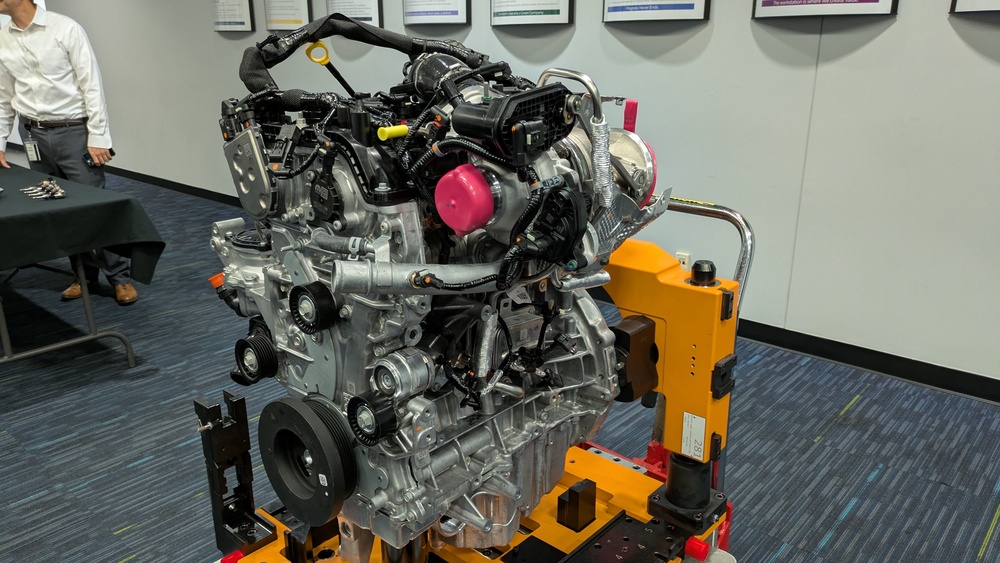
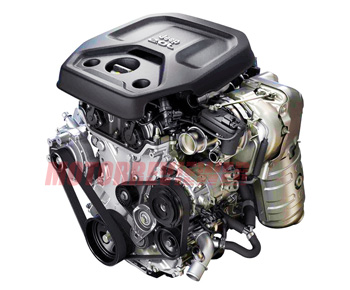
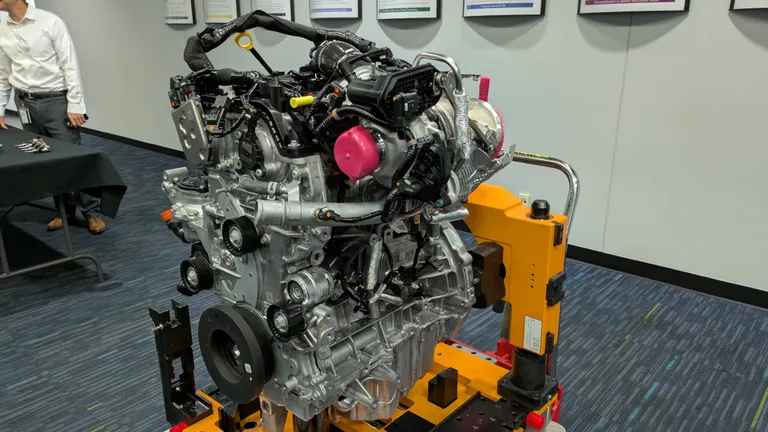
The Jeep 20 Turbo engine, also known as the 2.0L turbocharged inline-four, is famous for its balance of performance and fuel economy. It produces about 270 horsepower and 295 lb-ft of torque, making it a popular choice in models like the Jeep Wrangler and Jeep Cherokee. This engine uses advanced tech like direct injection and a twin-scroll turbocharger. But who actually makes it?
20 Key Manufacturers And Contributors
Each component of the Jeep 20 Turbo engine comes from a different specialist. Let’s look at the top 20 contributors:
- Fiat Chrysler Automobiles (FCA)
- FCA, now part of Stellantis, leads the design and assembly. The engine is produced in their Termoli, Italy plant.
- Stellantis
- The parent company manages global sourcing and quality control, ensuring all parts meet strict standards.
- Magneti Marelli
- Supplies advanced fuel injection systems that help the engine run efficiently.
- Garrett Motion
- Provides the turbocharger, boosting power and response.
- Bosch
- Delivers engine management electronics and sensors for precise performance.
- Mahle
- Manufactures pistons and cylinder liners for durability.
- ZF Friedrichshafen
- Supplies transmission components that work smoothly with the engine.
- Federal-Mogul
- Produces gaskets and seals for the engine’s high-pressure parts.
- Dana Incorporated
- Delivers engine cooling systems to prevent overheating.
- Denso
- Provides spark plugs and ignition parts for reliable starts.
- Valeo
- Supplies thermal management solutions, keeping the engine at ideal temperatures.
- Continental AG
- Offers turbo hoses and air management parts.
- Honeywell
- Works with Garrett on turbo technology.
- Hitachi Automotive
- Delivers engine sensors for accurate monitoring.
- NGK
- Manufactures premium spark plugs.
- Siemens
- Supplies electrical connectors and wiring.
- Eaton
- Provides valve train components for smooth operation.
- SKF
- Delivers bearings for moving engine parts.
- BorgWarner
- Offers timing systems to keep everything synchronized.
- Comer Industries
- Supplies certain engine mounts for vibration control.
How These Contributors Work Together
Each company specializes in one key area. FCA and Stellantis oversee the whole process, but rely on experts for parts like turbochargers, electronics, and cooling. For example, Garrett’s turbocharger works with Bosch’s electronics to deliver instant power. Mahle and Federal-Mogul make sure the inside of the engine can handle high stress, while Dana and Valeo control temperature.
Example: Turbocharger Collaboration
Garrett and Honeywell have developed a twin-scroll turbo that uses precise Bosch sensors. This means the engine can deliver high torque at low RPMs, making the Jeep 20 Turbo powerful but still efficient.
Data Table: Jeep 20 Turbo Engine Specs
Here’s a look at the main specifications:
| Specification | Jeep 20 Turbo | Competitor (Ford 2.0 EcoBoost) |
|---|---|---|
| Displacement | 2.0L | 2.0L |
| Horsepower | 270 hp | 250 hp |
| Torque | 295 lb-ft | 275 lb-ft |
| Turbocharger | Twin-scroll | Single-scroll |
| Fuel Economy | 23 MPG city / 27 MPG highway | 22 MPG city / 29 MPG highway |
Jeep 20 Turbo Engine Production Process
The engine starts as raw materials in Italy, where FCA and Stellantis assemble the block. Parts from Mahle, Federal-Mogul, and SKF are shipped to the plant.
Electronic parts from Bosch and Siemens are added, then the turbo is attached. The final engine is tested for quality, then shipped to Jeep factories.
Table: Main Component Suppliers
| Component | Supplier |
|---|---|
| Turbocharger | Garrett Motion |
| Fuel System | Magneti Marelli |
| Pistons & Liners | Mahle |
| Electronics | Bosch |
| Cooling System | Dana Incorporated |
Unique Insights: What Beginners Often Miss
- The Jeep 20 Turbo engine is not made by just one company. It’s a global effort, with parts from Europe, Asia, and North America.
- The assembly location affects quality. Engines built in Termoli, Italy, have strict quality controls, making them more reliable than similar engines produced elsewhere.
Comparison Table: Jeep 20 Turbo Vs. Other Jeep Engines
| Engine | Turbo | Horsepower | Fuel Economy |
|---|---|---|---|
| Jeep 20 Turbo | Yes | 270 hp | 23/27 MPG |
| Jeep 3.6 V6 | No | 285 hp | 17/25 MPG |
| Jeep 2.4 Tigershark | No | 180 hp | 22/31 MPG |
Frequently Asked Questions
Who Is The Main Manufacturer Of The Jeep 20 Turbo Engine?
The main manufacturer is Fiat Chrysler Automobiles (FCA), now part of Stellantis. The engine is built in Termoli, Italy.
What Makes The Jeep 20 Turbo Engine Different From Other Jeep Engines?
It uses a twin-scroll turbocharger for more power and better fuel efficiency. The engine is also lighter, with advanced electronics and cooling systems.
Are All Parts Made By Jeep?
No, Jeep relies on specialists like Bosch, Garrett, and Magneti Marelli for key components. Each company makes parts they are best at.
Is The Jeep 20 Turbo Engine Reliable?
Yes. The engine is tested for quality and has strict controls during assembly. Many owners report good reliability and performance.
Where Can I Find More Details About The Jeep 20 Turbo Engine?
You can visit the official Stellantis site or read technical details at Wikipedia for more information.
The Jeep 20 Turbo engine is a great example of teamwork in the auto industry. With input from 20 top companies, it delivers power, efficiency, and reliability.
If you want a modern engine backed by global expertise, the Jeep 20 Turbo is a smart choice.