When you look under the hood of a Jeep, you might wonder: who actually builds the engines powering these iconic vehicles? Jeep has a long history, and its engines come from different sources.
Understanding who makes Jeep engines helps you see why Jeeps are so popular for off-roading, everyday driving, and adventure. This article explores the main engine suppliers for Jeep, the types of engines used, and what sets them apart.
Jeep’s Parent Company And Engine Production
Jeep is part of Stellantis, a global car company formed in 2021 by merging Fiat Chrysler Automobiles (FCA) and PSA Group. Stellantis manages several brands, including Jeep, Dodge, Ram, Chrysler, Peugeot, and others.
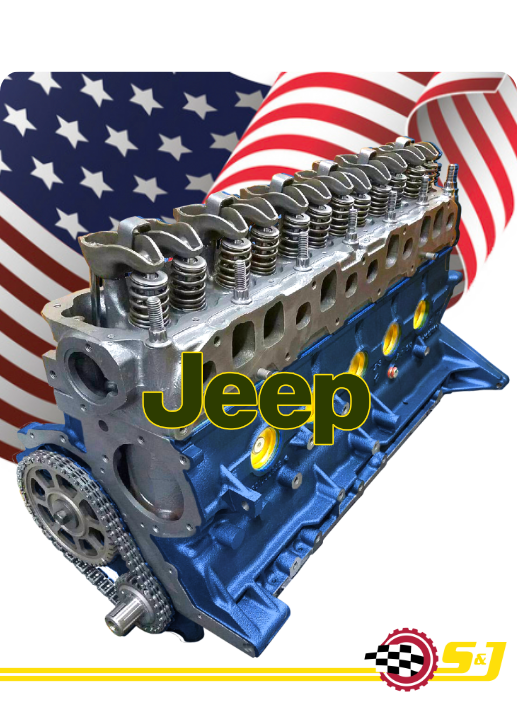
Most Jeep engines are made by Stellantis factories. These factories are located mainly in the United States, Italy, and Mexico. Some Jeep engines also come from outside suppliers, especially for special models or diesel engines.
Here is a look at some key factories:
| Factory Location | Main Engines Produced | Jeep Models Served |
|---|---|---|
| Trenton, Michigan | 3.6L Pentastar V6 | Wrangler, Grand Cherokee, Gladiator |
| Saltillo, Mexico | 5.7L Hemi V8, 6.4L Hemi V8 | Grand Cherokee, Wagoneer |
| Termoli, Italy | 1.3L Turbo I4 | Renegade, Compass (EU models) |
Non-obvious insight: Jeep engine production is not just in one country; it’s a global effort, which helps Jeep serve markets with different needs and rules.
Main Engines Used In Jeep Vehicles
Jeep uses different types of engines, depending on the model, region, and year. Here are the most common engines found in Jeep vehicles today:
Pentastar V6
The 3.6L Pentastar V6 is the most widely used Jeep engine. It’s made in Michigan and powers vehicles like the Wrangler, Grand Cherokee, and Gladiator.
Specs:
- 285 horsepower
- 260 lb-ft of torque
- Used for both off-road and highway driving
This engine is known for reliability and smooth performance. Many Jeep fans prefer it for its balance of power and fuel economy.
Hemi V8
Some larger Jeeps, such as the Grand Cherokee and Wagoneer, use Hemi V8 engines. These are produced in Mexico.
Specs:
- 5.7L Hemi: 360 horsepower, 390 lb-ft torque
- 6.4L Hemi: 475 horsepower, 470 lb-ft torque
These engines are popular for their high power and towing ability. However, they use more fuel than smaller engines.
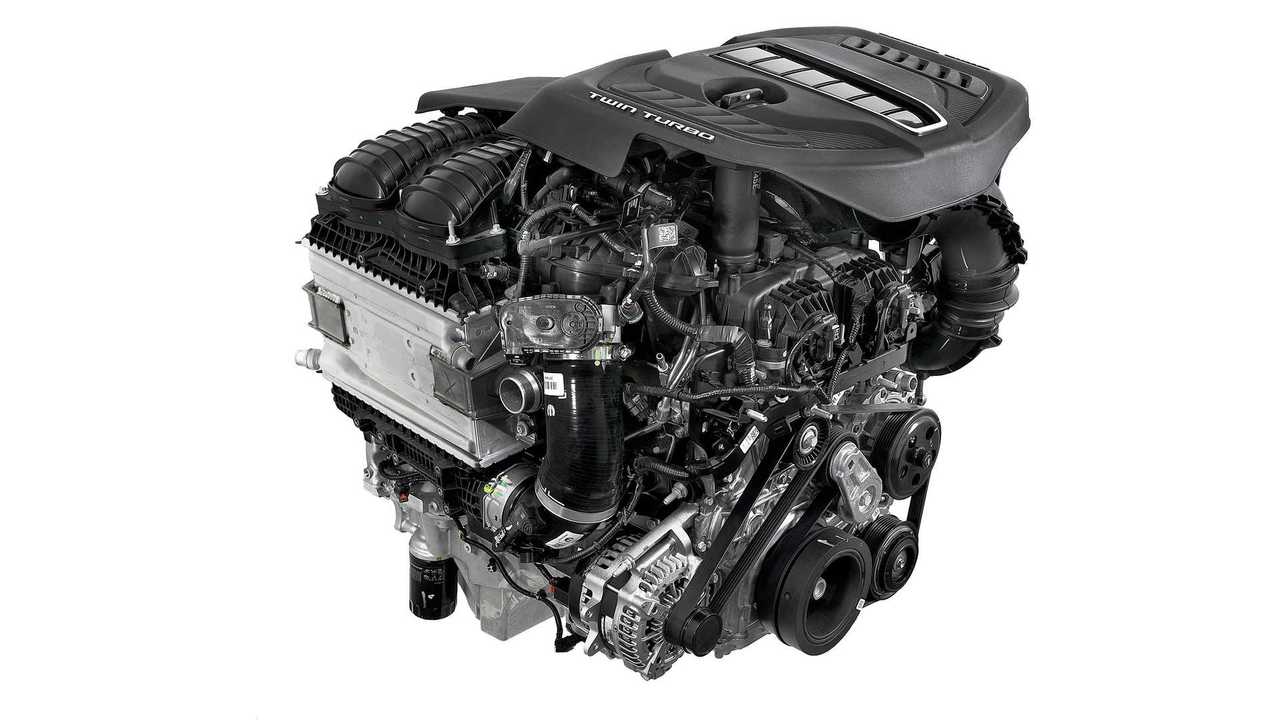
Turbocharged Inline-4
Jeep offers turbocharged four-cylinder engines, especially in smaller models or outside the US. The 2.0L Turbo I4 is made in Michigan, while the 1.3L Turbo I4 comes from Italy.
Specs:
- 2.0L Turbo I4: 270 horsepower, 295 lb-ft torque
- 1.3L Turbo I4: 177 horsepower, 210 lb-ft torque
Turbo engines help Jeep meet stricter emissions rules in Europe and Asia. They also improve fuel efficiency.
Diesel Engines
For some markets, Jeep uses diesel engines made by VM Motori in Italy. These are used in models like the Grand Cherokee (Europe) and Wrangler (selected markets).
Specs:
- 3.0L EcoDiesel V6: 260 horsepower, 442 lb-ft torque
Diesel engines are valued for their high torque and fuel efficiency. However, they are less common in the US due to emissions regulations.
Non-obvious insight: Diesel engines are mostly used outside the US, so many Americans never see a diesel Jeep, even though they exist.
Engine Evolution: Past And Present
Jeep has used engines from different makers over its history. Early Jeeps in the 1940s had Willys and Go Devil engines. Later, Jeep used engines from AMC, Chrysler, and outside companies.
Today, most Jeep engines are made by Stellantis, but the company still partners with others for special powertrains.
Here’s a comparison of engine makers through the decades:
| Decade | Main Engine Maker | Popular Jeep Models |
|---|---|---|
| 1940s-1960s | Willys, AMC | Willys MB, CJ Series |
| 1970s-1980s | AMC, Chrysler | Cherokee, Wagoneer |
| 1990s-Present | Chrysler, Stellantis | Wrangler, Grand Cherokee, Compass |
What Makes Jeep Engines Unique?
Jeep engines are designed for durability, off-road performance, and versatility. They must handle rough terrain, water, mud, and steep hills. The most important features include:
- High torque: For climbing and towing
- Sealed electronics: To survive water crossings
- Wide power range: For both city and trail use
Jeep often tunes its engines differently from other Stellantis brands. This gives Jeeps a unique driving feel.
Common Misconceptions About Jeep Engines
Some people think Jeep makes its own engines. Actually, Jeep relies on parent companies and partners.
Another misconception is all Jeeps have the same engine, but different models use different engines depending on their purpose.
For example:
- Wrangler: Offers V6, Turbo I4, V8 (Rubicon 392), and hybrid options
- Renegade: Uses smaller engines for city driving
Jeep’s Hybrid And Electric Engines
In recent years, Jeep has started offering hybrid and electric engines. The 4xe plug-in hybrid powertrain uses a combination of gas and electric motors. These engines are made by Stellantis and partners, including suppliers for battery systems.
Specs for Wrangler 4xe:
- 2.0L Turbo I4 + electric motor
- 375 horsepower
- 470 lb-ft of torque
Hybrid engines are built to improve fuel economy and reduce emissions without losing Jeep’s off-road ability.