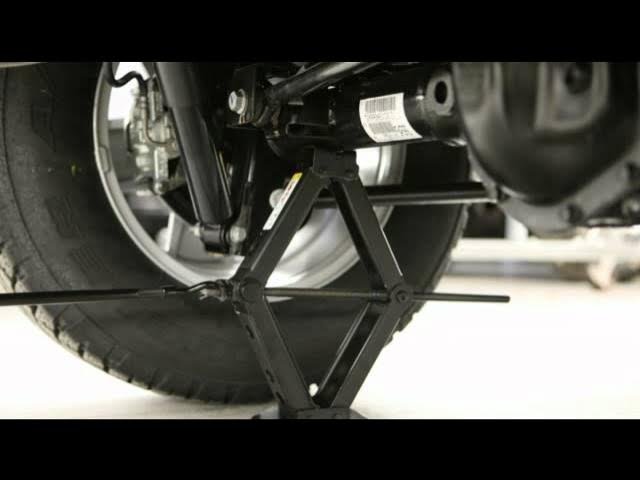
Getting a flat tire on your Jeep can happen anywhere—from city streets to muddy trails. Knowing where to put the jack on a Jeep is crucial for safety and efficiency. The right placement avoids damage and helps you change a tire or do repairs quickly. If you’re new to Jeep maintenance or just want to be extra careful, this guide will walk you through the best jack points, tips, and common mistakes, so you can handle roadside emergencies like a pro.
Jeep Jack Points: What You Need To Know
Every Jeep model has specific spots designed for jacking. These locations are reinforced to handle the weight and minimize risk.
Using the wrong area can bend parts or make your Jeep unstable.
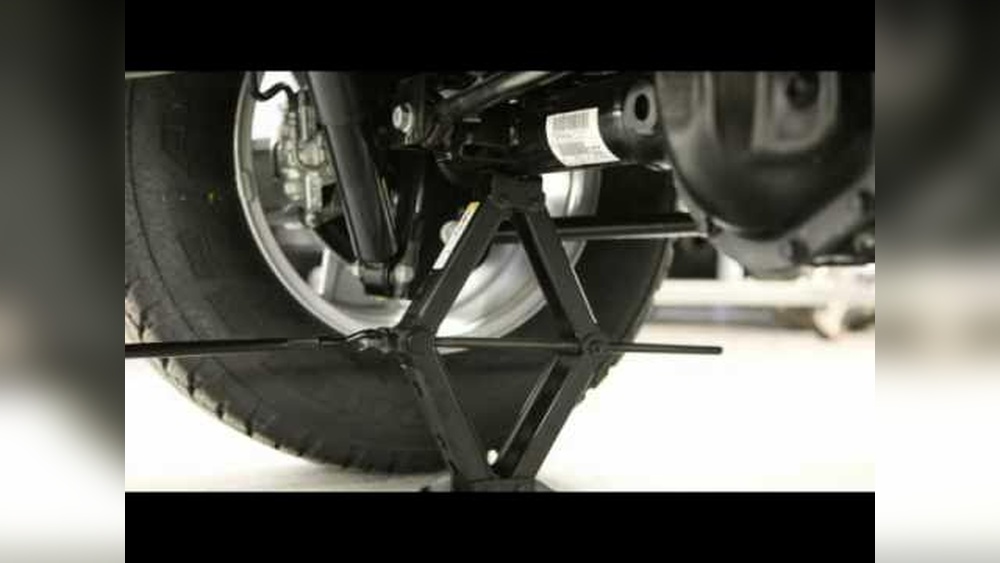
Factory Jack Points
Most Jeep Wranglers, Cherokees, and Gladiators have clear jack points:
- Front: Behind the front wheel, under the frame rail. Look for a flat, sturdy metal area.
- Rear: In front of the rear wheel, also under the frame rail. Avoid the thin metal edges.
For older Jeeps, check your owner’s manual. The manufacturer shows the safest spots.
Rock Rails And Aftermarket Bumpers
If your Jeep has rock rails or heavy-duty bumpers, these can sometimes be used as jack points. However, this depends on the build quality. Only use them if they are securely bolted and rated for lifting.
Axle Vs. Frame
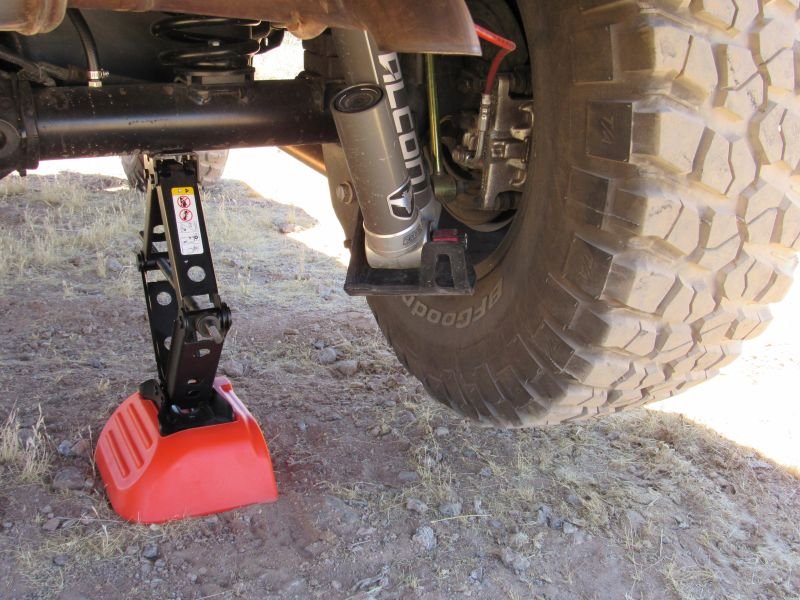
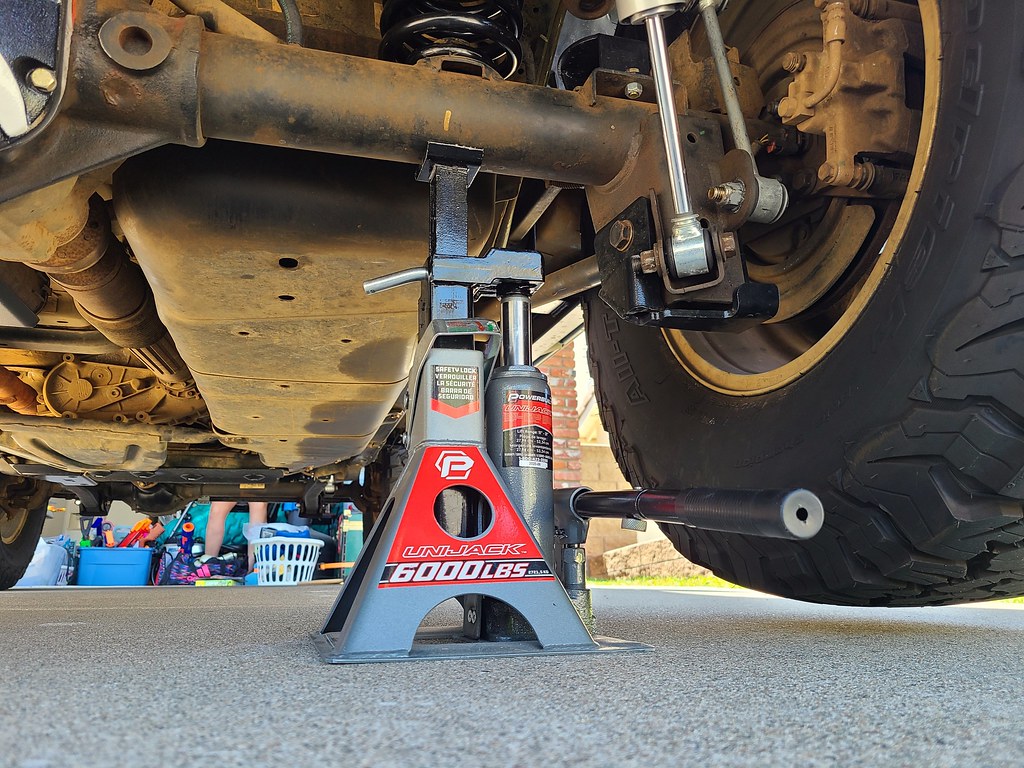
Some people jack their Jeep by the axle, especially with off-road models. While this works for quick tire changes, it’s less stable than the frame. Always use the frame for big repairs.
Comparing Jack Types For Jeep
The tool you use also matters. Different jacks suit different needs. Here’s a quick comparison:
| Jack Type | Best For | Strengths | Weaknesses |
|---|---|---|---|
| Scissor Jack | Stock Jeep, emergencies | Compact, easy to store | Limited height, slower |
| Hydraulic Floor Jack | Garage use, maintenance | Stable, fast lifting | Heavy, not portable |
| Hi-Lift Jack | Off-road, lifted Jeeps | High reach, rugged | Risky for beginners |
Important tip: Hi-Lift jacks are powerful, but they require skill. Always read instructions and practice before real use.
Step-by-step: Where And How To Place The Jack
- Park on level ground. Avoid slopes or soft surfaces. Engage the parking brake.
- Locate the jack point. Use the frame rail near the wheel you want to lift.
- Position the jack. Place the jack head under the flat metal area. Make sure it’s centered.
- Lift slowly. Watch for any slipping or bending. Stop if anything looks wrong.
- Check stability. Once the tire is off the ground, shake the Jeep gently. It should not wobble.
For off-road conditions, use a jack base or plate. This prevents sinking in mud or sand.
Jeep Models: Jack Point Differences
Not all Jeeps are alike. Here’s a breakdown:
| Model | Front Jack Point | Rear Jack Point | Special Notes |
|---|---|---|---|
| Wrangler | Frame rail behind wheel | Frame rail in front of wheel | Easy access, watch for rust |
| Cherokee | Frame rail or pinch weld | Frame rail | Pinch weld is thinner |
| Gladiator | Frame rail | Frame rail | Longer frame, use center |
Non-obvious insight: Some newer Jeeps have plastic covers. Remove them to find the real jack point. Don’t jack on plastic—it will crack.
Common Mistakes And How To Avoid Them
Many Jeep owners make errors that can be costly or dangerous. Here are mistakes you should avoid:
- Jacking on the body or bumper. These parts aren’t strong enough.
- Using soft ground without a base. Your jack can sink and tip over.
- Rushing the setup. Always check your jack’s position twice.
- Ignoring wheel chocks. If you don’t block the other wheels, your Jeep can roll.
Non-obvious insight: Even experienced drivers skip wheel chocks. They’re cheap and prevent accidents.
Safety Tips For Jacking Your Jeep
Safety comes first. Follow these tips every time:
- Use wheel chocks on the opposite wheels.
- Wear gloves to protect your hands.
- Never crawl under the Jeep unless it’s on strong jack stands.
- If you’re off-roading, carry a jack base and extra tools.
According to the National Highway Traffic Safety Administration, thousands of injuries occur every year due to improper jacking. Always double-check your setup.
Upgrading Your Jeep’s Jack System
For frequent off-roaders, upgrading your jack system can make things easier. Consider these:
- Heavy-duty floor jack: For garage use.
- Hi-Lift jack: For lifted Jeeps and challenging terrain.
- Jack mounts: Secure your jack inside the Jeep for easy access.
- Jack pads: Protect your frame and prevent slipping.
You can find more tips and specifications on the official Jeep site: Jeep Owners Resource.
Frequently Asked Questions
Where Is The Safest Place To Put The Jack On A Jeep?
The frame rail near the wheel is safest. Avoid thin metal or plastic parts.
Can I Use A Hi-lift Jack On My Jeep?
Yes, but only on rock rails or bumpers made for jacking. Practice first; Hi-Lift jacks can be tricky.
Is It Okay To Jack From The Axle?
It’s possible for tire changes, but the frame is more stable for repairs.
What Should I Do If My Jack Sinks In Mud?
Use a jack base or a piece of wood to spread the weight. This prevents sinking and keeps your Jeep stable.
How Do I Know If My Jack Point Is Strong Enough?
Check for reinforced metal and consult your Jeep’s manual. If unsure, look for signs of bending or rust before jacking.
Getting your Jeep safely off the ground isn’t just about speed it’s about knowing the right spots and using the right tools. With this guide, you can handle emergencies, avoid damage, and stay safe wherever you drive.
Always keep your equipment ready, follow the safety steps, and don’t hesitate to ask for expert help if you’re uncertain.