If your Jeep Liberty is running hot or you notice steam under the hood, it’s time to check the coolant. Coolant is essential for keeping your engine from overheating and preventing damage.
Many drivers aren’t sure where to add coolant or how to do it safely. This guide will help you locate the right spot, add coolant correctly, and avoid common mistakes.
Whether you’re new to car maintenance or just unsure about your Jeep Liberty, these steps will make the process easy and safe.
Understanding Coolant And Its Role
Coolant, also called antifreeze, is a liquid that circulates through your engine. It absorbs heat and releases it through the radiator. Without enough coolant, your Jeep Liberty can quickly overheat, leading to costly repairs. Most Jeep Liberties use a 50/50 mix of water and antifreeze, which works well in most climates.
A surprising fact: coolant not only keeps your engine cool, but also protects it from freezing in cold weather and from corrosion. Always use the type recommended in your owner’s manual, usually HOAT (Hybrid Organic Acid Technology) for Jeep Liberty models from 2002 to 2012.
Locating The Coolant Reservoir In Jeep Liberty
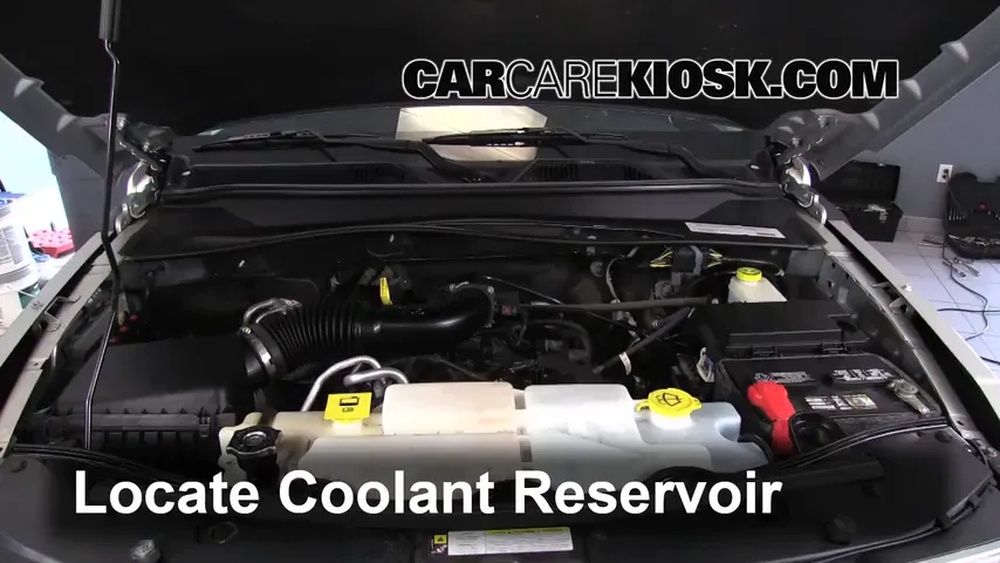
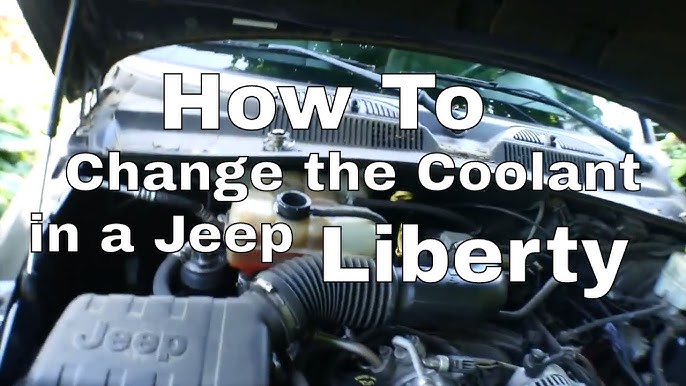
Finding where to put coolant is simple once you know what to look for. The coolant goes into the coolant reservoir, not directly into the radiator.
The coolant reservoir is a semi-transparent plastic tank, usually located near the radiator at the front of the engine bay. It’s marked with ‘engine coolant only’ and has minimum and maximum lines. Here’s how it compares to other fluid tanks in your Jeep Liberty:
| Fluid | Reservoir Color | Location | Label |
|---|---|---|---|
| Coolant | White/Clear | Front, near radiator | Engine Coolant Only |
| Windshield Washer | Blue/Clear | Front, near firewall | Washer Fluid |
| Brake Fluid | White/Clear | Rear engine bay | Brake Fluid |
Do not confuse these tanks. Only use the coolant reservoir for adding antifreeze.

How To Add Coolant To Your Jeep Liberty
Adding coolant is easy and takes about 10 minutes. Follow these steps:
- Let the engine cool completely. Never open the reservoir when the engine is hot. Hot coolant can cause burns.
- Open the hood. Locate the coolant reservoir using the guide above.
- Check the level. The tank has ‘MIN’ and ‘MAX’ lines. If it’s below ‘MIN’, you need to add coolant.
- Unscrew the cap slowly. If you hear a hiss, wait until the pressure releases.
- Add coolant. Pour your 50/50 mix into the reservoir until the fluid reaches the ‘MAX’ line.
- Secure the cap tightly.
- Start the engine and let it run for a few minutes. Check for leaks or drops in fluid level.
For most Jeep Liberty models, the coolant capacity is around 11–14 quarts. Never overfill the reservoir—extra coolant can cause pressure problems.
Common Mistakes To Avoid
- Using water only instead of the right coolant mix.
- Adding coolant to the radiator directly (unless your model specifically allows it).
- Mixing different coolant types (always use HOAT or what your manual says).
- Overfilling the reservoir.
- Checking the coolant while the engine is hot.
Signs You Need More Coolant
If you’re unsure whether your Jeep Liberty needs coolant, look for these signs:
- Temperature gauge stays high or spikes suddenly.
- Heater stops working or blows cold air.
- You see steam from under the hood.
- Coolant warning light comes on.
If you notice any of these, check the coolant reservoir immediately.
Jeep Liberty Coolant Types: What Should You Use?
Not all coolants are the same. Using the wrong type can damage your engine. Jeep Liberty (2002–2012) models recommend HOAT coolant—usually orange or yellow in color.
Here’s a quick comparison of coolant types:
| Coolant Type | Color | Compatibility | Life Span |
|---|---|---|---|
| HOAT | Orange/Yellow | Jeep Liberty 2002–2012 | 5 Years/150,000 miles |
| OAT | Orange | Newer Jeeps | 5 Years/150,000 miles |
| Green Conventional | Green | Older Vehicles | 2 Years/30,000 miles |
Mixing coolants can cause sludge and reduce cooling efficiency. Always check your manual before buying.
Tips For Maintaining Your Cooling System
Keeping your cooling system healthy will save you money and prevent breakdowns. Here are practical tips:
- Check coolant level monthly.
- Inspect hoses for cracks or leaks.
- Flush the system every 2–3 years (unless your coolant lasts longer).
- Use only recommended coolant types.
- Never ignore warning lights.
A non-obvious insight: air pockets can form if you add coolant too quickly. Pour slowly to avoid trapped air, which can cause overheating.
Another tip: always use a funnel when adding coolant. This prevents spills and keeps your engine bay clean.
Frequently Asked Questions
<!– wp:rank-math/faq-block {"questions":[{"id":"faq-question-598d51eb056a","title":"Where Is The Coolant Reservoir In Jeep Liberty?","content":"The coolant reservoir is a white or clear plastic tank at the front of the engine bay, near the radiator. It’s labeled ‘engine coolant only’ and has minimum and maximum lines.
“,”visible”:true},{“id”:”faq-question-65266d96f59f”,”title”:”Can I Put Coolant Directly Into The Radiator?”,”content”:”For most Jeep Liberty models, you should add coolant to the reservoir, not the radiator. The radiator cap is for pressure relief and should not be opened when hot.
“,”visible”:true},{“id”:”faq-question-f9dbe4669eda”,”title”:”What Kind Of Coolant Should I Use For Jeep Liberty?”,”content”:”Use HOAT coolant (orange/yellow) recommended for 2002–2012 Jeep Liberties. Always check your owner’s manual for confirmation.
“,”visible”:true},{“id”:”faq-question-cbcd39020e1c”,”title”:”How Often Should I Check My Coolant Level?”,”content”:”Check your coolant at least once a month or before long trips. Also, check after any overheating incident.
“,”visible”:true},{“id”:”faq-question-2c50da2274a5″,”title”:”What Happens If I Overfill The Coolant Reservoir?”,”content”:”Overfilling can cause extra pressure, leaks, or cooling system damage. Fill only to the ‘MAX’ line.
Taking care of your Jeep Liberty’s cooling system isn’t difficult, but it’s crucial for your vehicle’s health. Knowing exactly where to put coolant and how to do it safely prevents overheating and protects your engine. If you’re unsure about the steps, your owner’s manual and trusted sites like WikiHow offer more details. With these tips, you’ll keep your Jeep Liberty running smoothly and avoid costly repairs down the road.
“,”visible”:true}]} –>Where Is The Coolant Reservoir In Jeep Liberty?
The coolant reservoir is a white or clear plastic tank at the front of the engine bay, near the radiator. It’s labeled ‘engine coolant only’ and has minimum and maximum lines.
Can I Put Coolant Directly Into The Radiator?
For most Jeep Liberty models, you should add coolant to the reservoir, not the radiator. The radiator cap is for pressure relief and should not be opened when hot.
What Kind Of Coolant Should I Use For Jeep Liberty?
Use HOAT coolant (orange/yellow) recommended for 2002–2012 Jeep Liberties. Always check your owner’s manual for confirmation.
How Often Should I Check My Coolant Level?
Check your coolant at least once a month or before long trips. Also, check after any overheating incident.
What Happens If I Overfill The Coolant Reservoir?
Overfilling can cause extra pressure, leaks, or cooling system damage. Fill only to the ‘MAX’ line.
Taking care of your Jeep Liberty’s cooling system isn’t difficult, but it’s crucial for your vehicle’s health. Knowing exactly where to put coolant and how to do it safely prevents overheating and protects your engine. If you’re unsure about the steps, your owner’s manual and trusted sites like WikiHow offer more details. With these tips, you’ll keep your Jeep Liberty running smoothly and avoid costly repairs down the road.