If your Jeep Grand Cherokee’s temperature gauge climbs or you spot a warning light, you might need to add coolant. Many drivers feel unsure about where to put coolant in a Jeep Grand Cherokee.
The process is simple, but a mistake can cause engine damage or overheating.
This guide will show you the exact spot, explain how to top off coolant safely, and share tips that even experienced owners sometimes miss.

Understanding Your Jeep Grand Cherokee’s Cooling System
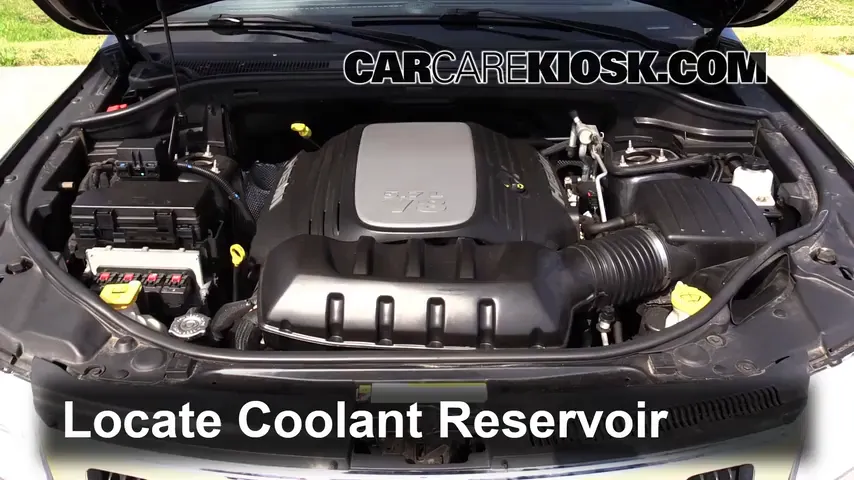
Every vehicle needs coolant—also called antifreeze—to keep the engine at the right temperature. The coolant reservoir is where you add new coolant. In a Jeep Grand Cherokee, the reservoir is easy to access under the hood.
The cooling system works by moving coolant through the engine and radiator. When coolant levels get low, heat can’t move away from the engine, leading to overheating.
For most Jeep Grand Cherokees (1999–present), the process for adding coolant is nearly the same, but always check your owner’s manual for your model year.
Locating The Coolant Reservoir
Finding the right spot is the key step. Open the hood after your engine cools down completely—never check coolant when the engine is hot.
Here’s what to look for:
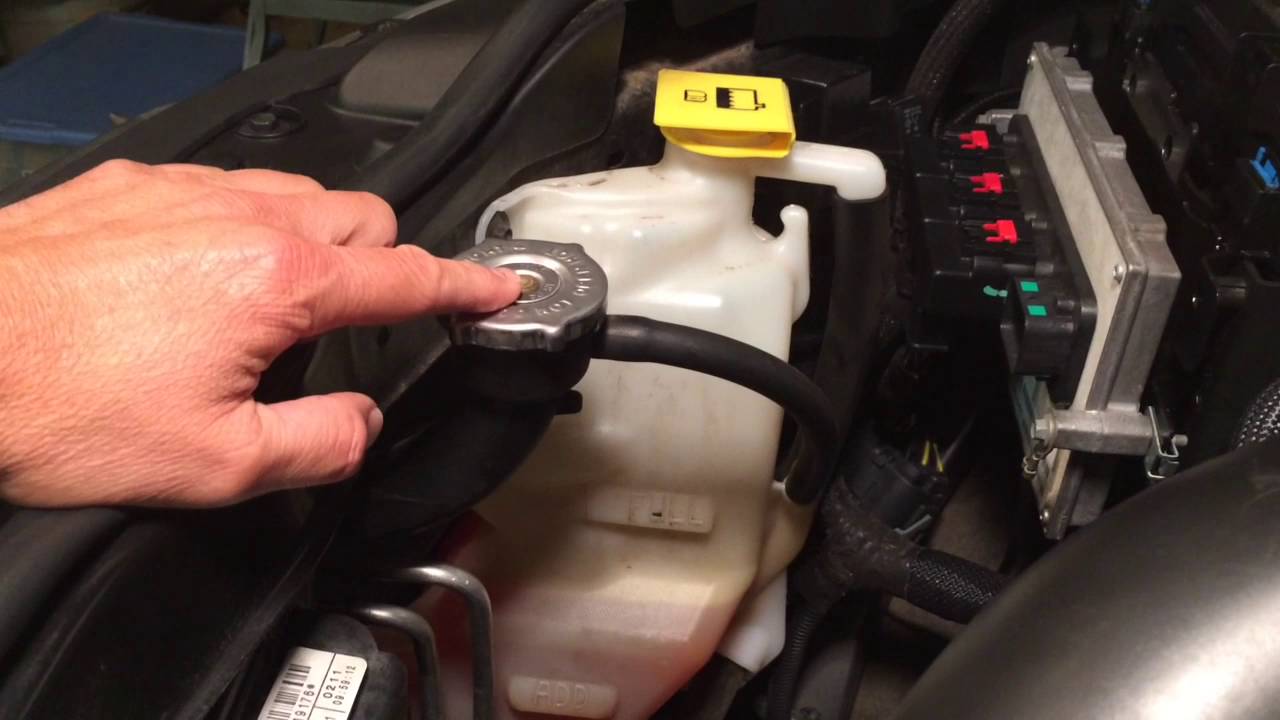
- The coolant reservoir is a translucent plastic tank, usually on the passenger side.
- It has a screw-on or pressure cap, often labeled “Engine Coolant Only” or with a symbol of a radiator.
- You’ll see MIN and MAX lines marked on the side.
This table shows the reservoir location for different Jeep Grand Cherokee generations:
| Model Year | Coolant Reservoir Location | Cap Label |
|---|---|---|
| 1999–2004 (WJ) | Front passenger side | Engine Coolant Only |
| 2005–2010 (WK) | Front passenger side | Coolant |
| 2011–2021 (WK2) | Near front, passenger side | Engine Coolant |
| 2022–present (WL) | Front passenger side | Engine Coolant Only |

How To Add Coolant To Your Jeep Grand Cherokee
Topping up coolant is straightforward, but a few steps are critical for safety and effectiveness.
- Wait for the engine to cool. Hot coolant is under pressure and can spray out if opened too soon.
- Open the hood and locate the coolant reservoir (use the table above if unsure).
- Check the current level. If it’s below the MIN line, you need to add coolant.
- Use the correct coolant type. Most modern Jeep Grand Cherokees use HOAT (Hybrid Organic Acid Technology) or OAT (Organic Acid Technology) coolant. Using the wrong type can cause damage. Check your owner’s manual.
- Slowly unscrew the reservoir cap. Do not open the radiator cap unless the manual specifically tells you to.
- Pour coolant in. Fill until it reaches the MAX line, but do not overfill.
- Replace the cap tightly.
- Start the engine. Let it run for a few minutes, then check the level again. Top off if necessary.
Example: 2015 Jeep Grand Cherokee
A 2015 model typically uses OAT coolant (purple or pink color). The reservoir is near the passenger-side headlight. After cooling, add the coolant until it’s just below the MAX line.
Common Mistakes To Avoid
Even experienced DIYers sometimes make these errors:
- Adding coolant to the radiator cap instead of the reservoir. Most modern Grand Cherokees don’t require opening the radiator cap.
- Mixing coolant types. Never mix green, orange, or pink coolants unless the label says it’s safe. Mixing can cause sludge or damage.
- Overfilling the reservoir. Too much coolant can lead to overflow or pressure problems.
- Not checking for leaks after topping off. If the level drops again quickly, you might have a leak or another issue.
How Often Should You Check And Add Coolant?
Coolant should be checked every 3,000–5,000 miles or at every oil change. Most Jeep Grand Cherokees need a full coolant flush every 100,000 miles or 5 years, but top-offs may be needed sooner.
This comparison shows typical coolant check intervals:
| Interval | What to Do |
|---|---|
| Every 3,000–5,000 miles | Check level, top off if needed |
| Every 100,000 miles or 5 years | Flush and replace all coolant |
If you tow, drive in extreme temperatures, or notice leaks, check coolant more often.
Extra Tips Most Owners Miss
- Always use distilled water if you must dilute coolant. Tap water can add minerals that harm the system.
- Check hoses and clamps for leaks when adding coolant. Cracked hoses or loose clamps often cause slow coolant loss.
- Never ignore a low coolant warning. If it comes back soon after topping up, see a mechanic—internal leaks can destroy an engine.
What To Do If Coolant Level Drops Quickly
If you add coolant but the level keeps dropping, it could mean:
- A leaky radiator or hose
- A bad water pump
- A faulty head gasket
In these cases, adding more coolant only delays a bigger problem. Have the system checked by a professional.
When To Get Professional Help
If you see white smoke from the exhaust, notice a sweet smell, or find milky oil, get help right away. These signs can mean a serious engine problem.
Regularly adding coolant but still running low is not normal.
For more details on coolant systems, you can check the official Wikipedia Coolant Article.
Frequently Asked Questions
Where Exactly Do I Add Coolant In A Jeep Grand Cherokee?
Add coolant to the coolant reservoir—a translucent plastic tank on the front passenger side of the engine bay. The cap is usually labeled “Engine Coolant Only.”
What Type Of Coolant Does My Jeep Grand Cherokee Need?
Most modern models (2013 and newer) use OAT (purple or pink) coolant. Older models may use HOAT (orange or yellow). Check your owner’s manual or the label on the reservoir cap.
Can I Mix Different Coolant Colors?
No, never mix coolant types unless the product says it’s compatible. Mixing can cause chemical reactions that lead to engine damage.
How Can I Tell If My Coolant Is Low?
Look at the MIN and MAX lines on the side of the reservoir. If the level is below MIN, add coolant.
Is It Safe To Drive With Low Coolant?
It’s risky. Low coolant can cause overheating, engine damage, or breakdowns. Always top off before driving if you notice a low level.
Taking care of your Jeep Grand Cherokee’s cooling system is simple but important. By knowing where to put coolant and following these tips, you can avoid costly repairs and keep your SUV running smoothly for years.