If you own a Jeep Compass, you know regular maintenance keeps your SUV running strong. One essential task is checking and adding engine coolant. Coolant, also called antifreeze, prevents the engine from overheating and freezing. But if you’re new to car care, you may wonder exactly where to put coolant in a Jeep Compass. This guide makes the process simple, safe, and stress-free—even if you’ve never opened a hood before.
Understanding Coolant And Why It Matters
Coolant is a mix of water and antifreeze that circulates through your engine. Its main job is to absorb heat and carry it away, so parts don’t get too hot.
If your Compass runs low on coolant, you risk engine damage that’s expensive to fix.
Most Jeep Compass models use HOAT (Hybrid Organic Acid Technology) coolant, usually colored orange or yellow. Always check your owner’s manual for the correct type. Using the wrong coolant can lead to corrosion or clogs.
Locating The Coolant Reservoir
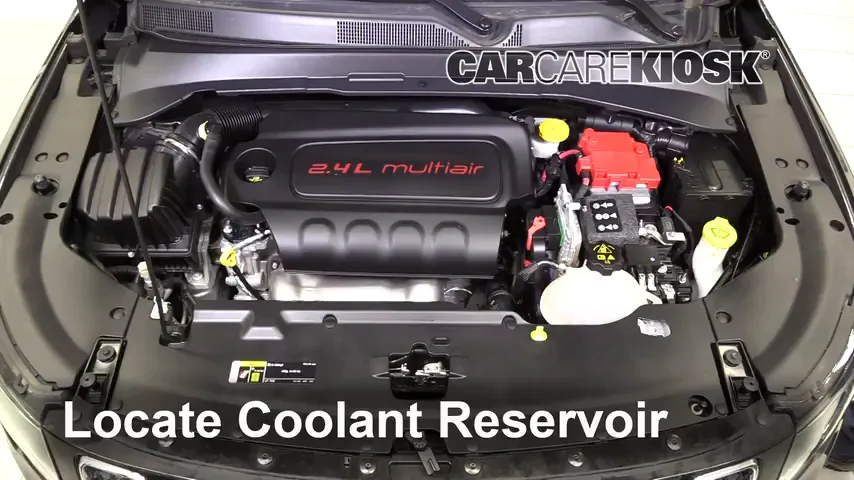
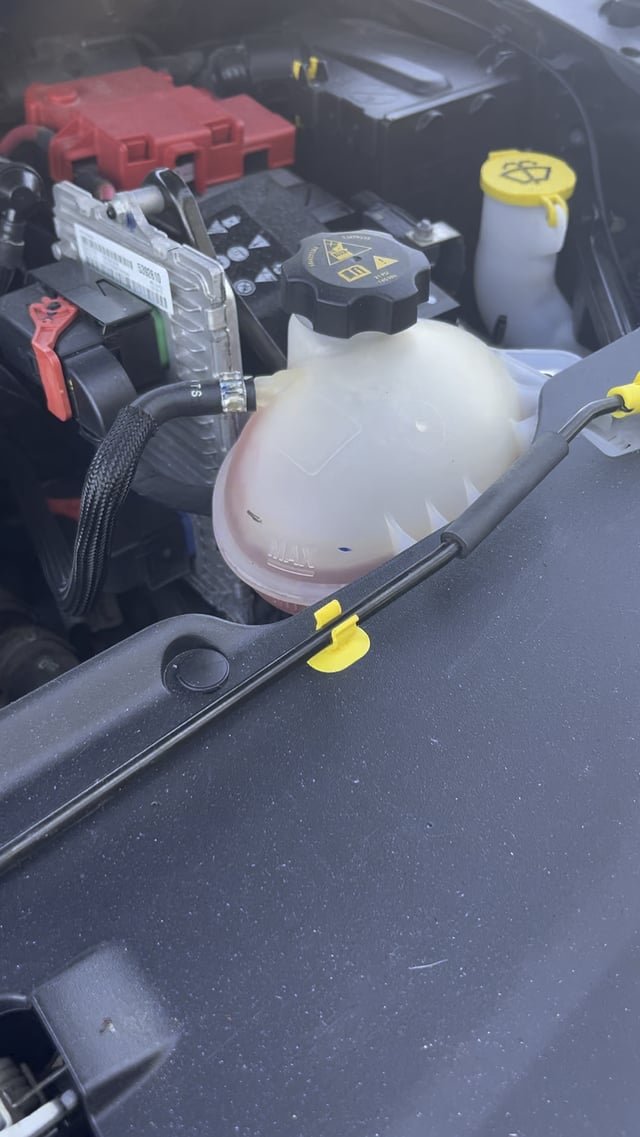
You don’t add coolant directly to the radiator in most modern vehicles. Instead, you pour it into a coolant reservoir (sometimes called an overflow tank). This clear plastic tank is designed for easy access and helps keep the system balanced as coolant expands and contracts.
Where To Find It
When you open the hood of your Jeep Compass:
- Stand in front of the vehicle.
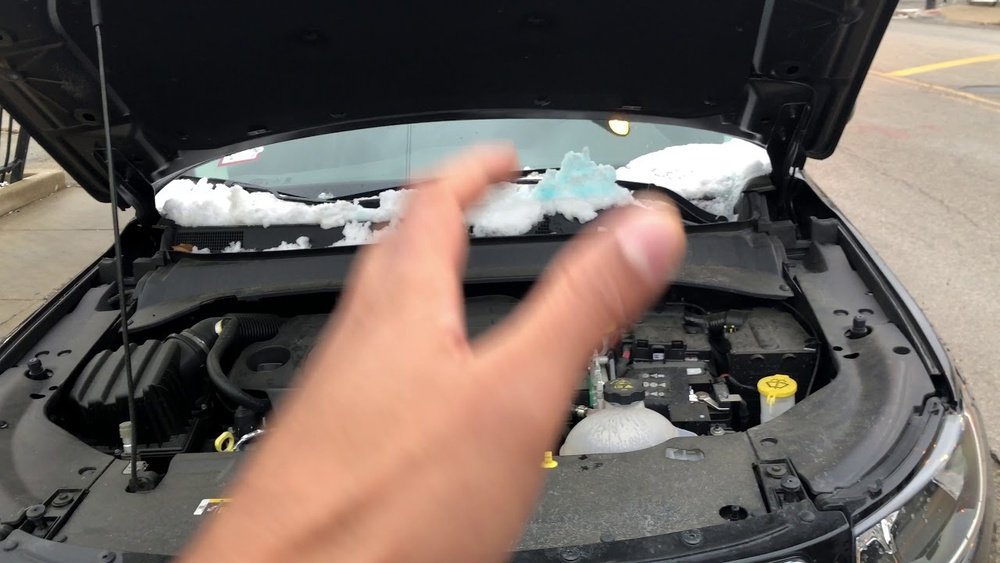
- Look for a translucent plastic tank near the front right (passenger side) of the engine bay.
- The tank usually has a yellow or black cap labeled with a temperature warning or the word “coolant.”
You might see two tanks in your engine bay one for coolant, one for windshield washer fluid. Double-check the cap labeling to avoid mistakes.
How To Add Coolant Safely
Topping up coolant is easy, but safety comes first. Here’s a step-by-step guide you can trust.
Before You Start
- Only add coolant when the engine is cold. Hot coolant can spray out and cause burns.
- Park on a level surface and set the parking brake.
- Wear gloves to avoid skin irritation.
Step-by-step Instructions
- Open the hood and prop it securely.
- Locate the coolant reservoir (as described above).
- Check the fill lines on the side of the tank. You’ll see “MIN” and “MAX” marks. The coolant level should be between these lines.
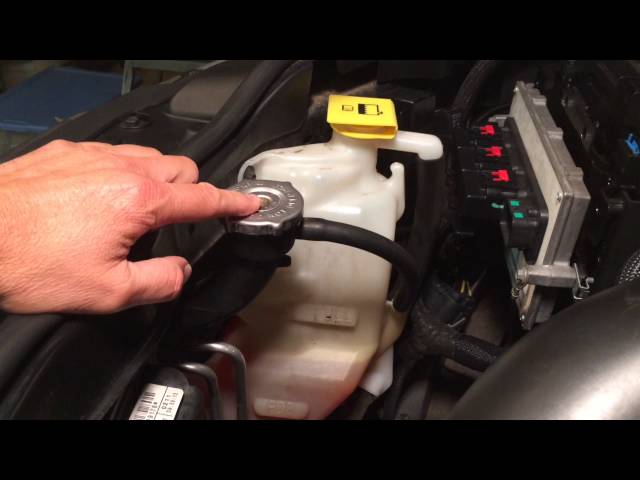
- Remove the cap by twisting it counterclockwise. If you hear a hiss, wait until it stops before proceeding.
- Add the correct coolant slowly, using a funnel if needed. Pour until the fluid reaches the “MAX” line—never overfill.
- Replace the cap securely.
- Wipe up any spills with a rag.
If you’re unsure about the correct coolant type, ask your dealer or a trusted mechanic. Mixing different types can cause chemical reactions and engine problems.
Key Differences: Coolant Vs Other Fluids
Many beginners confuse coolant with other fluids under the hood. Here’s a quick comparison:
| Fluid | Color | Main Purpose | Where to Add |
|---|---|---|---|
| Coolant | Orange/Yellow (Jeep) | Engine temperature control | Coolant reservoir |
| Windshield Washer Fluid | Blue/Green | Clean windshield | Washer fluid tank |
| Engine Oil | Brown/Amber | Lubricate engine parts | Oil filler cap |
This table helps you avoid costly mistakes. Always double-check the reservoir label before adding any fluid.
When To Check And Add Coolant
Regular checks keep your Compass reliable. Here’s what most experts recommend:
- Check coolant level every month.
- Always check before long trips.
- Top up immediately if the coolant warning light appears on your dashboard.
If you frequently need to add coolant, there may be a leak. Common leak locations include hoses, the radiator, or the water pump. If you see puddles under your Jeep or smell a sweet odor, visit a mechanic soon.
Coolant Types For Jeep Compass
Not all coolants are the same. Jeep recommends HOAT coolant for most Compass models, but some newer versions use OAT (Organic Acid Technology) coolant. Using the wrong type can void your warranty.
Below is a comparison of common coolant types:
| Coolant Type | Color | Service Life | Compatible With Jeep Compass? |
|---|---|---|---|
| HOAT | Orange/Yellow | 5 years/150,000 miles | Yes (most models) |
| OAT | Orange/Purple | 10 years/150,000 miles | Some 2018+ models |
| IAT | Green | 2 years/30,000 miles | No |
Always match the type and color to what’s already in your vehicle.
Common Mistakes To Avoid
Many Jeep owners make errors that can lead to expensive repairs. Here’s how to avoid them:
- Opening the cap when hot: Wait until the engine is completely cool.
- Mixing coolant types: Stick to the recommended coolant—never mix brands or colors.
- Overfilling: Fill only up to the “MAX” line.
- Ignoring leaks: If coolant levels drop quickly, get your Compass inspected.
One insight beginners miss: air pockets can form if you add coolant too quickly or when the system is not properly bled. This can reduce cooling efficiency and cause overheating. After adding coolant, drive for a few miles and recheck the level.
What To Do If Your Compass Overheats
If your Jeep Compass overheats, follow these steps:
- Pull over and turn off the engine immediately.
- Do not open the coolant reservoir while hot.
- Wait at least 30 minutes before adding fluid.
- Check for leaks, and call for help if you see steam or hear boiling sounds.
Remember, driving with an overheated engine can cause permanent damage.
When To Seek Professional Help
If you’re uncomfortable adding coolant yourself, or if the coolant level drops quickly, visit a certified mechanic. Persistent low coolant may signal a head gasket issue or radiator leak, both of which need expert repair. Don’t ignore warning signs—quick action saves money in the long run.
For more details on coolant types and safe car maintenance, see the official Wikipedia Antifreeze page.
Frequently Asked Questions
Where Exactly Do I Pour Coolant In My Jeep Compass?
Pour coolant into the coolant reservoir, a clear plastic tank on the passenger side of the engine bay. Do not pour coolant into the radiator directly unless instructed by a mechanic.
How Do I Know If The Coolant Level Is Low?
Look at the MIN and MAX lines on the side of the coolant reservoir. If the fluid is below the MIN line, you need to add more.
Can I Use Water Instead Of Coolant In An Emergency?
Yes, you can use water temporarily. However, always replace it with the proper antifreeze mixture as soon as possible. Water alone does not protect against freezing or corrosion.
What Happens If I Add Too Much Coolant?
Overfilling can cause coolant to spill or overflow, possibly damaging engine parts. Always keep the level between MIN and MAX.
How Often Should I Change The Coolant?
Most Jeep Compass models require a coolant change every 5 years or 150,000 miles, whichever comes first. Check your manual for your specific model.
Taking care of your Jeep Compass’s coolant system keeps your engine cool and your journeys trouble-free. With these clear steps and tips, you can handle this simple task with confidence.