Finding the spare tire on your Jeep Gladiator can save you a lot of trouble when you get a flat. Many owners expect the tire to be in the trunk or under the cargo bed, but the Gladiator has its own way.
If you recently bought this truck, or you’re planning a road trip, knowing exactly where your spare tire is—and how to access it—will make your life easier. This guide explains the location, removal steps, and key tips so you’re fully prepared.
Spare Tire Location On Jeep Gladiator
The Jeep Gladiator places its spare tire in a spot that’s easy to access but not always obvious. The tire sits underneath the rear of the truck, directly behind the rear axle. It’s mounted on a carrier beneath the cargo bed, between the frame rails. This location keeps the tire secure and doesn’t take up space in the bed.
Why This Location?
There are several reasons Jeep uses this spot:
- Maximizes cargo space: The bed stays fully usable.
- Easy for off-road: Quick access even on rough trails.
- Secure mount: The tire is less likely to be stolen or damaged.
Some drivers worry about the tire being exposed. The Gladiator’s carrier protects the spare from most road debris, though mud and snow can collect around it.
Accessing And Removing The Spare Tire
Getting the spare tire off your Jeep Gladiator is straightforward once you know the steps. Here’s what you need:
- Jeep Gladiator tool kit (usually stored behind the rear seat)
- Jack and lug wrench
- The spare tire lowering tool, which comes with the vehicle
Follow these steps:
- Open the rear seat to find the tool kit.
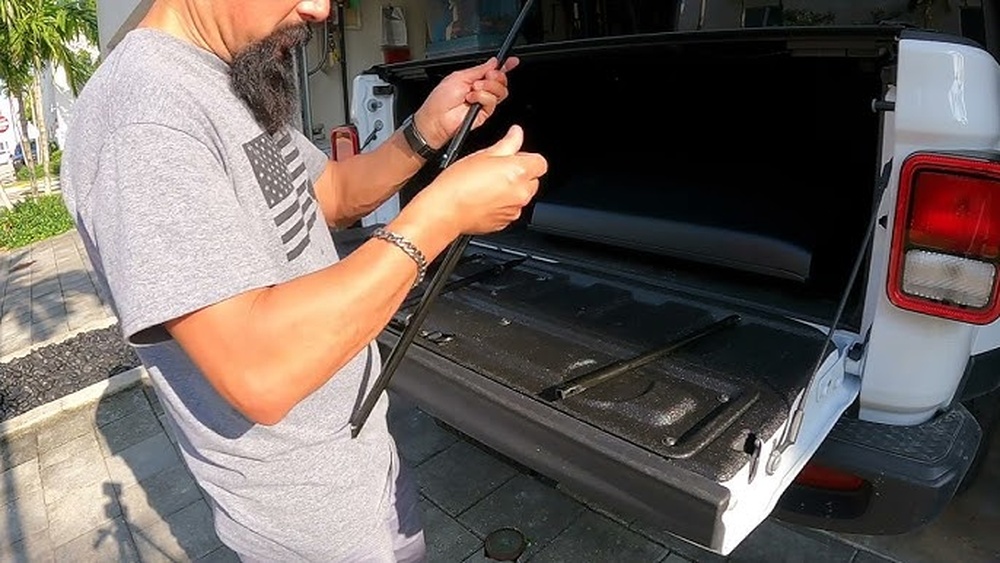
- Assemble the lowering tool by connecting the rods.
- Locate the access hole in the rear bumper (center, below the tailgate).
- Insert the tool into the hole until you feel it connect.
- Turn the tool counterclockwise to lower the tire.
- Once the tire is fully down, remove the securing cable and pull out the tire.
If your Gladiator is equipped with a tow hitch, you may need to remove it or use an adapter for the tool.
Practical Tips
- Check your spare every few months for air pressure and damage.
- Practice lowering the tire at home before your first road trip.
- If you drive off-road often, clean the carrier area to avoid buildup.
Spare Tire Size And Compatibility
Jeep Gladiator models use a full-size spare, which means you get the same diameter as your regular tires. This is important, especially for off-road driving. Here are typical sizes:
| Trim | Standard Tire Size | Spare Tire Size |
|---|---|---|
| Sport | 245/75R17 | 245/75R17 |
| Overland | 255/70R18 | 255/70R18 |
| Rubicon | 285/70R17 | 285/70R17 |
Having a full-size spare lets you drive safely until you repair your flat tire. You don’t need to worry about speed or distance limits that apply to temporary spares.
Comparing Gladiator Spare Tire Placement With Other Trucks
Different trucks place their spare tire in various locations. Here’s how the Gladiator compares:
| Truck Model | Spare Tire Location | Accessibility |
|---|---|---|
| Jeep Gladiator | Under rear bed, behind axle | Easy (bumper access) |
| Ford Ranger | Under rear bed | Easy (bumper access) |
| Toyota Tacoma | Under rear bed | Easy (bumper access) |
| Chevrolet Colorado | Under rear bed | Easy (bumper access) |
Most midsize trucks use a similar approach, but some older models place the spare inside the cargo area or under the hood.
Common Mistakes When Using The Spare Tire
Many drivers make mistakes when it comes to spare tire use. Avoid these:
- Ignoring tire pressure: A low spare is useless. Check it regularly.
- Forgetting the tool kit: Don’t leave the lowering tool at home.
- Not practicing removal: Try lowering the tire before emergencies.
- Leaving the cable loose: Always secure the cable after reinstalling.
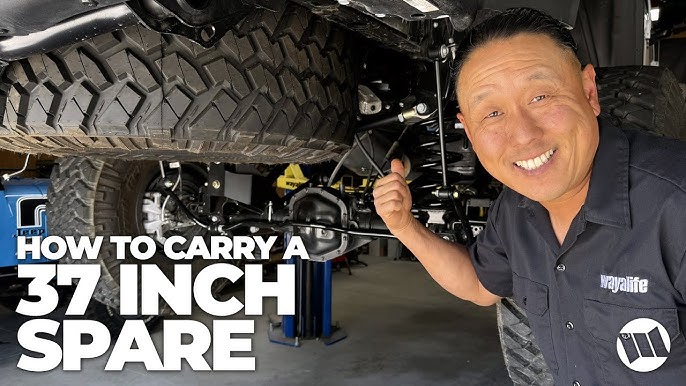
One non-obvious tip: If you upgrade your Gladiator’s tires, check the spare’s size. Larger tires may not fit in the original carrier.
Real-world Example: Off-road Recovery
Imagine you’re on a rocky trail and get a flat. The Gladiator’s spare tire location makes it easy to change the tire without unloading your gear.
You simply lower the tire from the bumper, jack the vehicle, and swap tires.
Compared to a trunk-mounted spare, this saves time and effort, especially in muddy or uneven terrain.

Maintenance And Security
The spare tire’s location is practical, but it’s important to maintain and secure it. Use these tips:
- Clean the area: Mud and salt can cause rust.
- Check for theft: Use a locking cable if you park in risky areas.
- Inspect the carrier: Make sure the lowering mechanism works smoothly.
If you drive in snowy regions, salt buildup can corrode the carrier. Regular cleaning prevents problems.
Frequently Asked Questions