If you own a Jeep Wrangler or plan to buy one, you might hear the term “cowl” when reading about repairs or upgrades. For many drivers, especially beginners, this word is confusing.
The cowl is an important but often overlooked part of your Wrangler. Knowing where it is and what it does can save you time and trouble, especially if you like to do your own maintenance or plan to add accessories.
What Is The Cowl On A Jeep Wrangler?
The cowl is the area between the hood and the windshield. On a Jeep Wrangler, it’s a horizontal panel that stretches the full width of the vehicle. This section is easy to spot if you know what to look for. The cowl is not just for looks—it protects key parts and helps manage airflow.

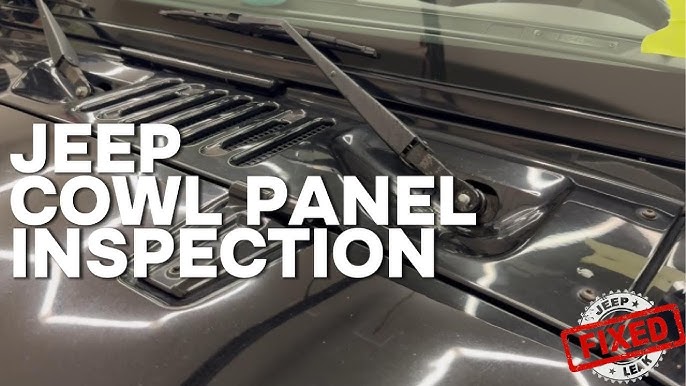
Most Wranglers have their windshield wipers attached at the cowl. Underneath, you’ll find air vents that bring fresh air into the cabin.
The cowl also hides wiring, some sensors, and sometimes the battery cables.
Locating The Cowl: Step-by-step
Finding the cowl on your Jeep Wrangler takes only a few seconds. Here’s how you can easily identify it:
- Stand facing the front of your Wrangler.
- Look just above the hood, where the hood meets the base of the windshield.
- The long, narrow panel running across here is the cowl.
- You’ll notice windshield wiper arms attached at this spot.
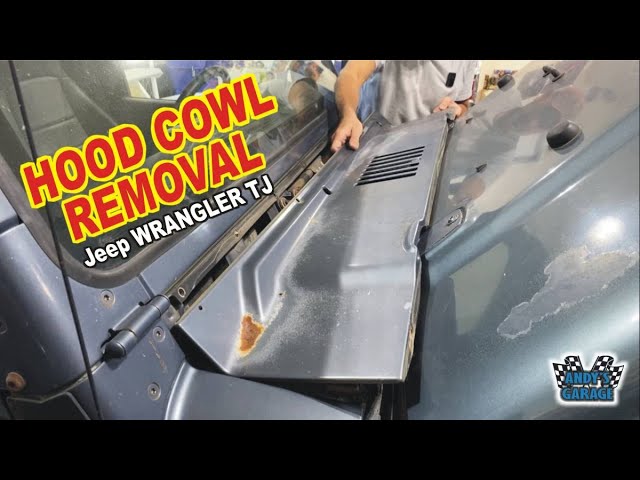
If you open the hood and look toward the windshield, you’ll often see the underside of the cowl. Some models have a removable plastic cowl cover with visible screws or clips.
Cowl Functions And Importance
The cowl does more than hold the wipers. It has several jobs that help keep your Jeep running smoothly:
- Fresh air intake: It lets outside air flow into the heating and air conditioning system.
- Protects electronics: It shields wiring and connectors from rain and debris.
- Drains water: The cowl directs rainwater away from important parts, using built-in drainage channels.
- Mounting point: It provides a strong base for wipers and sometimes for extra accessories, like light bars or mirrors.
Here’s a quick comparison of what sits above, at, and below the cowl:
| Area | Location | Main Parts |
|---|---|---|
| Above Cowl | Windshield | Glass, Wiper Blades |
| Cowl Panel | Between Hood & Windshield | Wiper Arms, Air Vents |
| Below Cowl | Engine Bay | HVAC Intake, Wiring |
Common Cowl Issues On Jeep Wranglers
While the cowl is sturdy, it can still face problems over time. Here are the most common issues Jeep owners report:
- Leaks: If the cowl seal breaks or gets clogged, water can leak into the cabin.
- Clogged drains: Leaves and debris can block the water channels, causing overflow.
- Rust: On older models, the cowl area may rust, especially if water sits there.
- Wind noise: If the cowl cover isn’t tight, you might hear more wind at higher speeds.
If you notice wet carpets or a musty smell inside your Jeep, check the cowl area first. Clearing debris from the cowl and its drains is an easy DIY fix that can prevent bigger problems.
Cowl Differences By Jeep Wrangler Model
Over the years, Jeep has changed the Wrangler’s design. The basic cowl location is always the same, but there are differences by generation:
| Model Generation | Years | Cowl Design Features |
|---|---|---|
| YJ | 1987-1995 | Metal cowl, simple wiper system |
| TJ | 1997-2006 | Improved drainage, stronger seals |
| JK | 2007-2018 | Plastic covers, better HVAC intake |
| JL | 2018-present | Modern look, more accessories mountable |
For example, the JK and JL Wranglers have plastic cowl covers that are easy to remove for cleaning or adding upgrades. Older models like the YJ have metal cowls that may rust more easily but are simple to work on.
Useful Tips For Cowl Maintenance
Many new Jeep owners forget to check the cowl area, but a few simple habits can keep it in great shape:
- Clean out leaves and debris every few months, especially after fall.
- Check for cracks in the cowl cover or seal after any windshield replacement.
- Use a hose to test drainage—pour a little water on the cowl and see if it drains quickly under the Jeep.
- Lubricate wiper arm pivots at the cowl to prevent squeaks.
- Inspect after off-roading: Mud and dirt can block drains or scratch the cover.
It’s easy to ignore the cowl, but regular checks can prevent leaks, rust, and electrical issues.
Installing Accessories On The Cowl
The Jeep Wrangler cowl is a popular spot for adding accessories. Many people install:
- Light bars
- Mirror relocation brackets
- Antenna mounts
- Trail cameras
When drilling or attaching anything to the cowl, make sure not to damage the seal or block the air intake. Use weatherproof hardware and follow manufacturer instructions.
One non-obvious tip: If you plan to use a roof rack or windshield-mounted lights, check how they attach at the cowl area. Some racks use the cowl bolts, which means you may need to remove the cowl cover temporarily.
Why Knowing The Cowl Location Matters
Understanding where the cowl is on your Jeep Wrangler has practical benefits:
- It helps you find leaks and fix water problems faster.
- You can upgrade your Jeep with new accessories more easily.
- It keeps your HVAC system working well by stopping blockages.
- You avoid mistakes like accidentally drilling into air vents or wiring.
Many first-time Jeep owners don’t realize how often the cowl area needs attention. Spending just five minutes inspecting the cowl every few months can save you expensive repairs.
For more detailed information on vehicle cowls, visit the Wikipedia page on automobile cowls.
Frequently Asked Questions
Where Exactly Is The Cowl Panel On A Jeep Wrangler?
The cowl panel sits between the hood and the windshield, running the full width of your Jeep. It’s where the windshield wipers are attached and where outside air enters the cabin.
What Problems Can Happen If The Cowl Drains Are Clogged?
Clogged cowl drains can cause water to leak into the passenger area, leading to wet carpets, mold, or even electrical issues. Regularly cleaning the cowl area can prevent these problems.
Can I Remove The Cowl Cover Myself?
Yes, most Jeep Wrangler cowl covers are held by screws or clips and can be removed with basic tools. Always check your owner’s manual for specific instructions.
Is The Cowl The Same On All Wrangler Models?
The location is always the same, but the design can change by model year. Some have metal cowls, others have plastic covers.
Features like drainage and mounting points may also differ.
What Should I Avoid When Installing Accessories On The Cowl?
Avoid drilling through the cowl unless the accessory is designed for that spot. Make sure not to block air vents or drainage holes, and use weatherproof hardware to prevent rust.