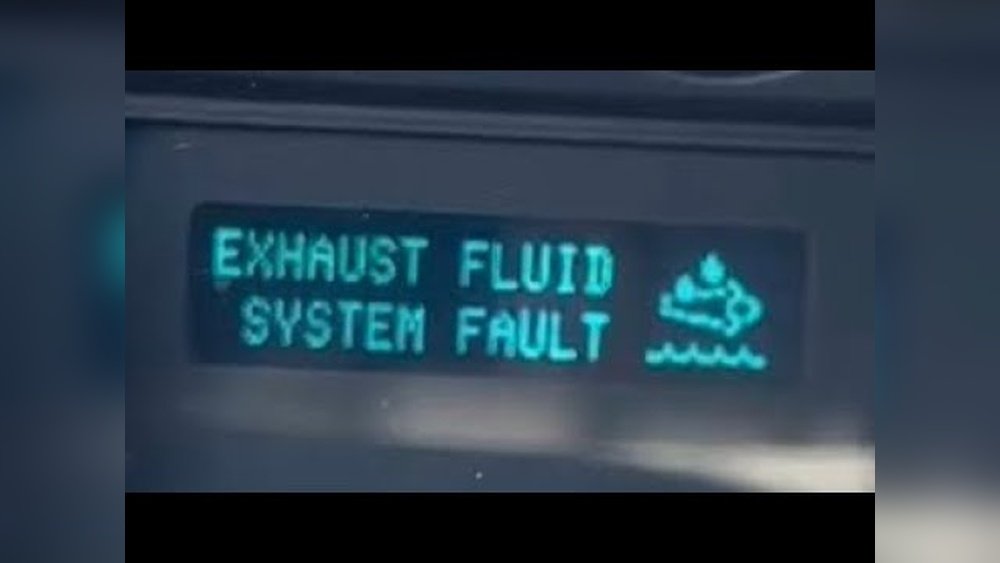
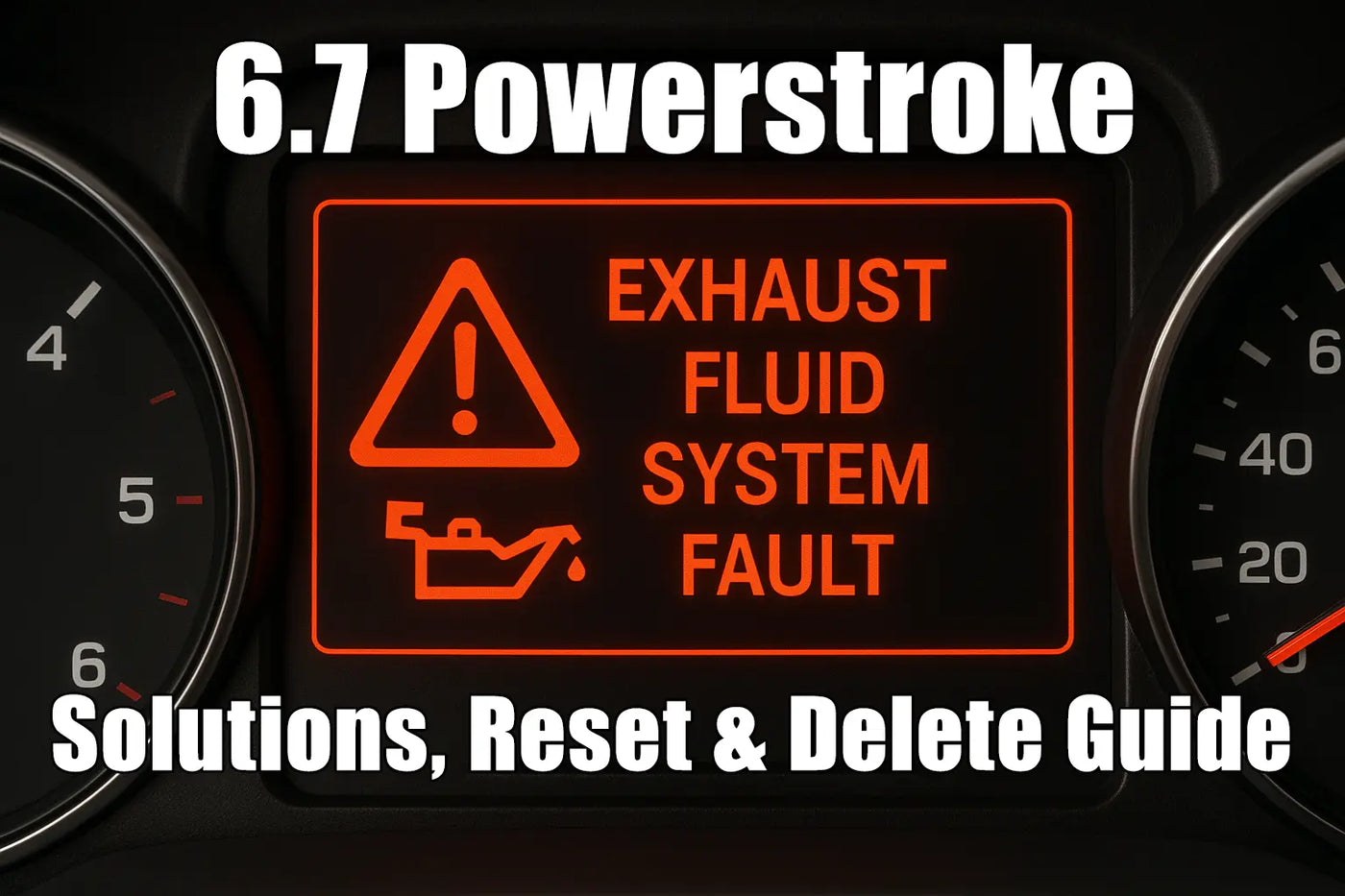
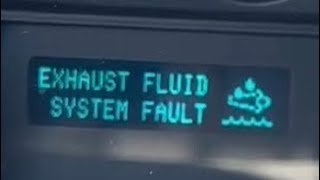
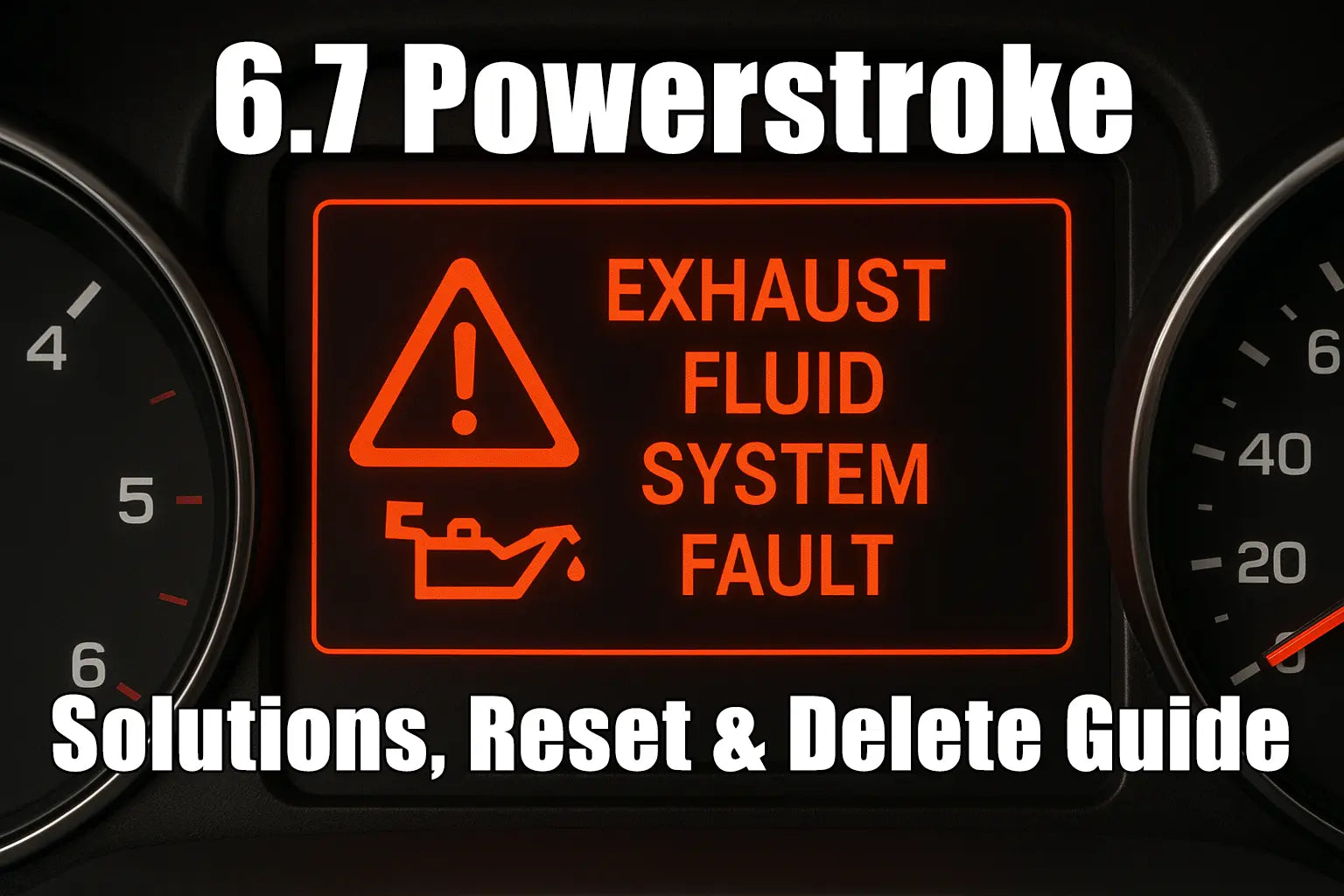
When your vehicle flashes a “Exhaust Fluid System Fault” warning, it can cause stress and confusion. This alert, common in diesel vehicles with Selective Catalytic Reduction (SCR) systems, signals a problem with the emission control system, often related to Diesel Exhaust Fluid (DEF).
Ignoring it can lead to reduced engine performance or, in some cases, the car refusing to start after several cycles. Knowing how to reset this fault not only saves time and money but also keeps your vehicle running smoothly and legally.
What Is An Exhaust Fluid System Fault?
Modern diesel engines use DEF (such as AdBlue) to reduce harmful emissions. The SCR system injects DEF into the exhaust, converting nitrogen oxides into harmless nitrogen and water. When there’s a fault, your dashboard might display messages like “Exhaust Fluid System Fault,” “Service DEF System,” or a check engine light.
Common causes include:
- Low or contaminated DEF
- Faulty DEF sensors or pump
- Clogged injector lines
- Software glitches
This warning is not just a suggestion it can trigger a countdown to limited engine power or prevent your car from starting if ignored.
Preparing To Reset The System
Before jumping to a reset, diagnose the root cause. Simply clearing the code without fixing the problem can make things worse. Here’s what you should do:
- Check DEF Level: Make sure your tank is filled with the correct fluid. Using water or the wrong DEF can damage the system.
- Inspect for Leaks: Look under the vehicle for signs of leaks around the DEF tank or lines.
- Review Owner’s Manual: Different car brands have unique reset steps.
- Use the Right Equipment: An OBD-II scanner is often needed for a full reset.
Example: Def Warning System Vs. Fuel Warning
Below is a quick comparison of how DEF warnings differ from traditional fuel warnings.
| Warning Type | Consequence if Ignored | Reset Method |
|---|---|---|
| DEF System Fault | Reduced power, no start | Fix & scan tool reset |
| Low Fuel | Engine stalls | Refuel only |
Step-by-step: How To Reset Exhaust Fluid System Fault
Resetting the fault depends on your vehicle model, but here’s a common process:
- Top Up DEF: Fill the tank with high-quality DEF. Most faults won’t clear if the fluid is low.
- Turn Ignition On (Don’t Start Engine): Wait for 30 seconds. This lets the system recognize the new fluid.
- Start the Engine: Let it idle for 5–10 minutes. Many systems will automatically reset if the problem was low or old DEF.
- Drive Cycle: Some vehicles require driving for a few miles at highway speeds.
- Use an OBD-II Scanner: If the warning stays, connect a scanner to your diagnostic port. Clear the code only if you’ve fixed the underlying issue.
Example: Manual Vs. Scanner Reset
Here’s a quick comparison of the two common reset methods:
| Reset Method | Difficulty | Tools Needed | Success Rate |
|---|---|---|---|
| Manual (Ignition/Drive Cycle) | Easy | None | High if issue is simple |
| OBD-II Scanner | Moderate | Scanner | High if sensor/electrical issue |
When A Reset Won’t Work
Sometimes, the system won’t reset even after adding DEF and clearing codes. This often points to deeper problems:
- Bad NOx or DEF sensor
- Damaged SCR catalyst
- Wiring faults
If the warning returns, don’t keep resetting. Get a professional diagnosis.
Repeated resets without repairs can trigger stricter “no start” modes in some vehicles.
Common Mistakes To Avoid
Many drivers make simple mistakes when trying to fix this fault:
- Using poor-quality DEF. Always buy from a trusted brand.
- Ignoring the owner’s manual. Reset steps can vary.
- Trying to “top off” DEF when it’s already full. Overfilling can cause sensor errors.
- Clearing codes without repairs. The fault will return.
A non-obvious insight: Some vehicles require a minimum DEF level before the warning will clear, even if the tank is nearly full. Always check the manual for specific numbers.
Another tip: In cold climates, DEF can freeze. Most systems have heaters, but if the fluid is frozen, the fault may stay until the DEF thaws.
Preventing Future Exhaust Fluid System Faults
Prevention is easier than repair. Here’s how you can avoid future issues:
- Use only certified DEF (ISO 22241 standard)
- Keep the DEF tank above 25% at all times
- Store DEF properly (cool, dry place; keep sealed)
- Drive regularly, as long storage can degrade DEF
- Schedule regular emission checks during maintenance
Remember, the SCR and DEF system is sensitive to contamination. Even a small amount of dirt or water can cause expensive repairs.
Frequently Asked Questions
What Does “exhaust Fluid System Fault” Mean?
It means your vehicle’s emission system, specifically the part using Diesel Exhaust Fluid, has detected a problem. This can be due to low fluid, bad sensors, or other faults.
Can I Drive With An Exhaust Fluid System Fault?
You can drive for a limited time, but power may be reduced. Eventually, the vehicle may not start until the issue is fixed and the fault is reset.
How Much Does It Cost To Fix An Exhaust Fluid System Fault?
Costs vary widely. Adding DEF is cheap (about $10 $25).
Sensor or pump repairs can range from $200 to over $1,000. Major SCR issues may cost even more.
Will Disconnecting The Battery Reset The Fault?
Usually not. Modern systems store codes in non-volatile memory.
You need to address the cause and often use a scanner to clear the code.
Where Can I Learn More About Def And Emission Systems?
Visit the Wikipedia page on Diesel Exhaust Fluid for detailed technical information.
Fixing and resetting an exhaust fluid system fault isn’t hard if you follow the right steps. Always fix the root cause before attempting a reset. If the warning won’t clear, seek professional help to avoid bigger problems down the road.