Wrangler and Toledo have a strong production connection. The history is useful, but the certification label on the individual Jeep still belongs in the research file.
Quick Answer
Wrangler production is closely tied to Toledo, Ohio. Official Stellantis material documented Wrangler JK production at the Toledo Assembly Complex, and later company material continues to identify Toledo operations with Wrangler production. Verify the individual Jeep by VIN and label.
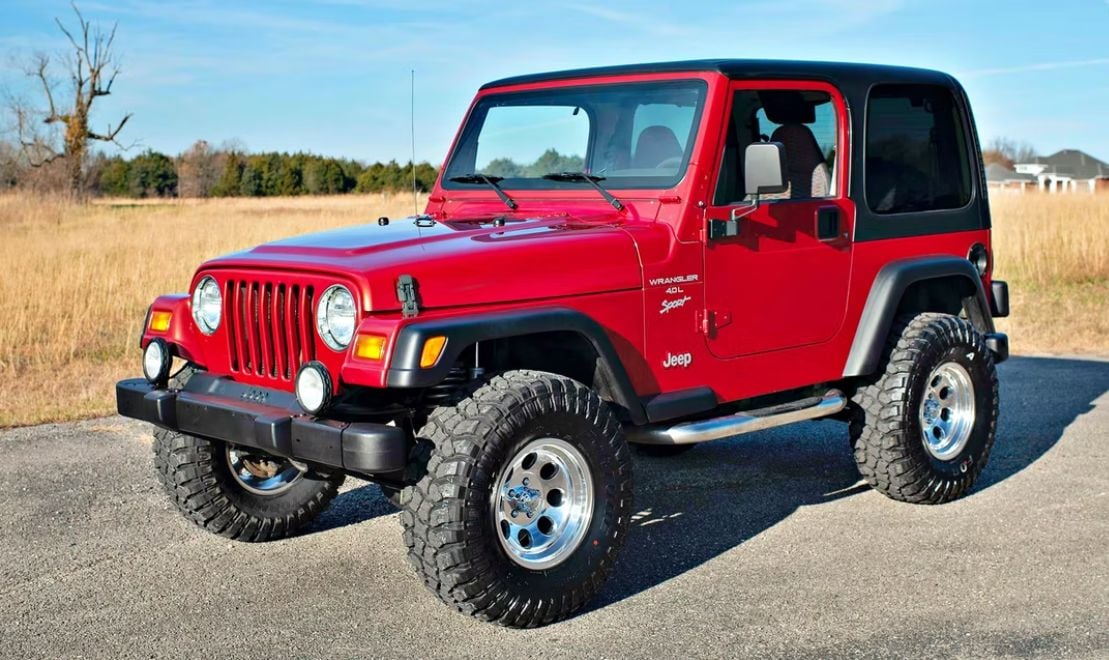
Toledo Is Central to Wrangler History
Official company material described Wrangler JK vehicles rolling off the Toledo Assembly Complex line and called out the Toledo workforce behind production.
Generation Context Still Matters
A history article about JK production is not a substitute for checking the exact year you are buying. Photograph the certification label on the individual Wrangler.
Stellantis material identifies Toledo as important to both Wrangler and Gladiator production. Keep the model-specific wording clear.
Factory Origin Does Not Replace an Inspection
A Toledo-built Wrangler may still have rust, leaks, worn tires or poor modifications. Manufacturing history is useful context, not a condition report.
Save Evidence for Future Parts Research
VIN and label photos help when ordering parts or checking recall status later.
Toledo History and the Individual Jeep
Factory history is useful, but photograph the individual Wrangler label. A clear VIN record connects the heritage article to the vehicle in the driveway.
Use the Recall Lookup at the Same Time
Manufacturing research is a good moment to run a VIN recall search and save the result with the label photo.
Use Toledo History as Context, Not a Shortcut
The Toledo connection is a meaningful part of Wrangler heritage. Still, verify the label on the Jeep in front of you before using a historical article as a vehicle-level claim.
Save a Label Photo Before Modifications
A clean record becomes more useful after wheels, suspension or body parts change. Keep the original identification photos in the service folder.
Inspect the Wrangler Separately From the History
Factory origin does not reveal rust, leaks, tire wear or previous trail damage. Complete the normal used-vehicle checks.
Use Toledo History With a Generation Label
Official company material documents Wrangler production at the Toledo Assembly Complex. Name the generation and source date in the article.
A JK-era release should not be presented as the only evidence for every newer vehicle.
Key Details to Check
| Item | What to verify | Why it matters |
|---|---|---|
| Generation | JK, JL or another Wrangler era | Keeps the production claim dated |
| VIN label | Vehicle-specific label | Connects history to one Wrangler |
| Toledo source | Official Stellantis material | Supports the plant claim |
| Recall lookup | VIN search | Adds a practical buyer step |
Photograph the Wrangler Label
The certification label links the production story to one Jeep. Save a clear image with the VIN and purchase records.
This also helps later with registration, recall searches and parts questions.
Keep Gladiator and Wrangler Wording Separate
Both vehicles have important Toledo connections, but they are different models. Avoid blending their production claims.
Readers need the exact answer for the Jeep in front of them.
Inspect the Jeep Independently of the Factory Story
A Toledo-built Wrangler may still have rust, leaks, poor wiring or worn tires. Heritage does not replace a lift inspection, scan report and test drive.
Review the Paragraph During Updates
Manufacturing arrangements may change. Check current Stellantis material before republishing a current-model claim, and preserve the historical paragraph with its date.
Use the Plant Story as Context, Not a Shortcut
Toledo heritage adds meaning for Wrangler owners, but it does not answer parts fitment or condition by itself. Match every repair decision to the VIN and installed component.
Check Build Evidence During a Purchase
Compare the certification label with registration documents and seller records. A clear file reduces confusion when a listing contains copied or incomplete details.
Keep Historical and Current Sources Together
Store the older Toledo history source beside any newer Stellantis production update. Readers benefit from seeing the timeline rather than one undated factory statement.
Add a Recall Search to the Factory File
A VIN recall result adds immediate value to the Toledo research. Save the date, label image and result together.
The folder then supports both historical interest and practical ownership decisions.
Use the Factory Story During Resale
When selling a Wrangler, include the label photo and accurate Toledo context with the records. Clear documentation supports the listing without making exaggerated claims about condition or component origin.
Verify the Listing Wording
When a seller mentions Toledo, compare the claim with the VIN label and dated official material. Accurate wording supports the history without overstating what the factory detail proves.
Keep the Photo Legible
Retake the label photo when glare or blur hides the text. A readable image is more useful than a rushed record during later research.
Step-by-Step Review
- Identify the Wrangler generation.
- Photograph the VIN label.
- Review official Toledo production material.
- Run the VIN recall search.
- Save the records with the service file.
Common Mistakes to Avoid
- Treating a plant-history article as a condition report
- Skipping the individual label
- Applying a JK source to every model year without context
- Ignoring recall status
Frequently Asked Questions
Is Wrangler production tied to Toledo?
Yes. Official company material documents Wrangler production at the Toledo Assembly Complex.
Should I still check the label?
Yes. Save vehicle-specific evidence.
Does Toledo origin prove the Jeep is in good condition?
No. Inspect the vehicle separately.
- Where Are Jeep Grand Cherokees Made
- How To Replace Jeep Wrangler Tail Light Assembly
- Jeep Wrangler Vin Codes
Final Takeaway
Wrangler heritage is strongly linked to Toledo, but the individual label still matters. Save the VIN evidence and inspect condition separately from the factory story.