The 2000 Jeep Grand Cherokee, a popular SUV renowned for its capability and comfort, features a straightforward yet sometimes elusive dome light switch. For owners looking to control interior lighting, whether for convenience, maintenance, or simply understanding their vehicle’s functions, locating this switch is a common query.
This guide aims to demystify the process, providing clear instructions and context for finding and operating the dome light switch on your 2000 Jeep Grand Cherokee. Understanding your vehicle’s controls enhances your driving experience and ensures you can manage interior illumination effectively.
Key Takeaways
- The primary dome light switch on a 2000 Jeep Grand Cherokee is integrated into the overhead console.
- This console houses the interior light controls, including the dome light switch, map lights, and sometimes a sunroof control.
- The dome light switch typically has multiple positions for ON, OFF, and DOOR mode.
- The DOOR mode allows the dome light to automatically activate when a door is opened and turn off when all doors are closed.
- If the dome light isn’t working, troubleshooting may involve checking the bulbs, fuses, and the switch itself.
- Familiarity with these controls is essential for convenience and safety, especially during nighttime or in low-light conditions.
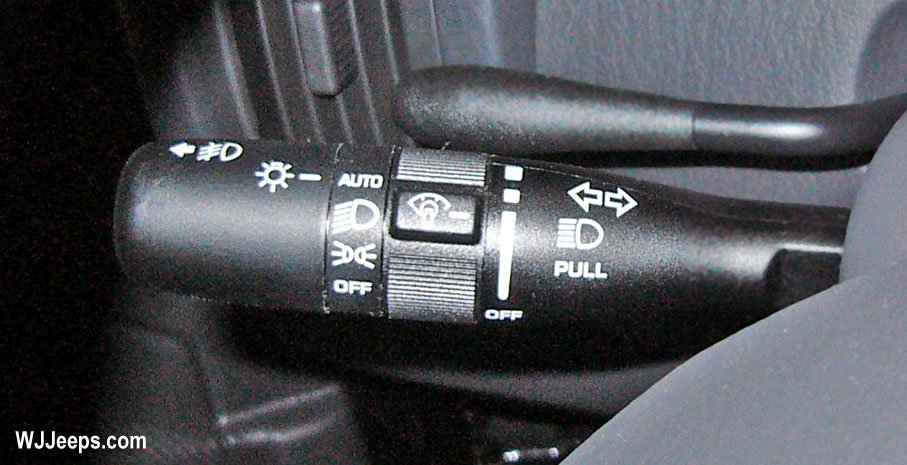
Understanding The 2000 Jeep Grand Cherokee’s Interior Lighting System
The interior lighting system in a 2000 Jeep Grand Cherokee is designed for functionality and ease of use. The central component for controlling the main cabin light, known as the dome light, is typically located in the overhead console, often situated above the rearview mirror or between the front seats.
This console serves as the command center for various interior lighting functions, including the dome light and often individual map lights. The design philosophy behind this placement is to provide drivers and passengers with convenient access to lighting controls without requiring them to reach far into the cabin.
The dome light itself is more than just a single bulb; it’s part of an integrated system. When set to the ‘DOOR’ or ‘AUTO’ position, it acts as a courtesy light, illuminating the cabin as soon as a door is opened. This feature is invaluable for nighttime entry and exit, providing visibility of the floor and seats. Conversely, when all doors are closed and the switch is in the ‘DOOR’ position, the light will automatically extinguish after a short delay, conserving battery power. Understanding these modes is key to utilizing the system as intended. For a broader overview of Jeep Grand Cherokee interior controls, you might find information on where the dome light control is on a Jeep Grand Cherokee helpful, as the principles often carry over between model years.

Locating The Dome Light Switch: The Overhead Console
The primary location for the dome light switch on a 2000 Jeep Grand Cherokee is the overhead console. This unit, typically a molded plastic component secured to the headliner, is the central hub for interior lighting controls. It’s designed to be accessible from both the driver and passenger seats. Visually, you’ll often find it positioned above the rearview mirror, integrated into the area where the rearview mirror attaches to the windshield. In some trims or configurations, it might be slightly further back, closer to the center of the roof.
Identifying The Controls Within The Console
Once you've located the overhead console, you'll need to identify the specific switch or buttons that control the dome light. These are usually clearly marked or intuitively designed.
The most common setup includes a multi-position slide switch or a set of buttons.
- Slide Switch Configuration: Many vehicles from this era, including the 2000 Grand Cherokee, utilize a simple slide switch. This switch typically has three positions:
- ON (or MANUAL ON): This position forces the dome light to remain illuminated regardless of door status.
- OFF (or MANUAL OFF): This position keeps the dome light off, even when doors are opened.
- DOOR (or AUTO): This is the most common and convenient setting. In this mode, the dome light will turn on automatically when any of the vehicle’s doors are opened and will turn off automatically when all doors are closed (often with a slight delay).
- Button Configuration: Less common for the primary dome light on this specific model year, but possible, is a button-based system. If buttons are present, one would likely be for the main dome light, and others might control individual map lights. The dome light button would typically have an indicator or text showing its function.
Pro Tip: Look for the word “DOOR” or an icon resembling an open door with light emanating from it. This is the universal indicator for the automatic mode.
The Role Of Map Lights
Often integrated into the same overhead console are map lights. These are typically smaller, individual lights designed to illuminate specific areas, such as the driver’s or front passenger’s immediate vicinity for reading maps or finding items. While distinct from the main dome light, their controls are frequently located adjacent to the dome light switch. Understanding the difference is important: the dome light provides general cabin illumination, while map lights offer focused, directional light.
Understanding Dome Light Switch Modes
The functionality of your 2000 Jeep Grand Cherokee's dome light is dictated by the mode selected on its switch. These modes are designed to offer flexibility and convenience, catering to different driving and parking situations.
Mastering these settings ensures you can effectively manage your interior lighting.
The ‘door’ Or ‘auto’ Mode
This is the most frequently used and arguably the most practical setting for the dome light. When the switch is in the ‘DOOR’ or ‘AUTO’ position, the dome light operates in conjunction with the vehicle’s door latches.
- Operation: As soon as any door is opened, a signal is sent to the interior lighting system, causing the dome light to illuminate. This provides essential visibility for passengers entering or exiting the vehicle, especially in dark environments.
- Automatic Turn-Off: Once all doors are closed, the dome light will remain on for a predetermined period, typically ranging from a few seconds to about 30 seconds. This delay allows occupants to settle in before the light extinguishes, preventing sudden darkness. The exact delay can sometimes be adjusted in more modern vehicles, but on a 2000 model, it’s usually a fixed duration.
- Benefits: This mode is excellent for safety and convenience. It prevents you from accidentally leaving the dome light on, which could drain the battery, while ensuring you have light when you need it most.
The ‘on’ Or ‘manual On’ Mode
When the switch is moved to the ‘ON’ or ‘MANUAL ON’ position, the dome light bypasses the door sensors and remains illuminated continuously.
- Operation: The light will stay on until the switch is moved out of this position, regardless of whether the doors are open or closed.
- Use Cases: This mode can be useful in specific situations. For example, if you’re searching for something in the vehicle at night and need sustained illumination, or if you’re parked and want to light up the interior for an extended period. It’s also helpful if the door ajar sensor is malfunctioning, preventing the light from turning on automatically.
- Caution: It’s crucial to remember to switch the light back to ‘DOOR’ or ‘OFF’ when you’re done using this mode, as leaving it on will drain your vehicle’s battery.
The ‘off’ Or ‘manual Off’ Mode
The ‘OFF’ or ‘MANUAL OFF’ position overrides all other inputs and ensures the dome light remains completely off.
- Operation: The dome light will not turn on, even if a door is opened.
- Use Cases: This mode is useful if you need to keep the interior dark, perhaps if you’re trying to be discreet, or if you’re working on the vehicle’s interior and don’t want the light interfering. It also serves as a failsafe if the ‘DOOR’ sensor is stuck or malfunctioning, preventing the light from staying on constantly.
- Consideration: Similar to the ‘ON’ mode, remember that this is a manual setting. If you intend for the light to come on with the doors, you’ll need to switch it back to the ‘DOOR’ setting.
Troubleshooting Common Dome Light Issues
Even with a well-designed system, dome lights can sometimes malfunction. If your 2000 Jeep Grand Cherokee's dome light isn't behaving as expected, several common issues can be investigated.
These troubleshooting steps range from simple checks to slightly more involved diagnostics.
1. Check The Bulb
The most straightforward reason for a non-functional dome light is a burnt-out bulb.
- Procedure: Carefully remove the lens covering the dome light. This usually involves gently prying it away with a small flathead screwdriver or even your fingernails. Once the lens is off, you’ll see the bulb. Note its type (often a wedge-base bulb) and wattage. Twist and pull the old bulb out, and insert a new one of the correct specification. Replace the lens.
- Testing: After replacing the bulb, test the dome light switch in all its positions to see if it now functions correctly. If it works, the issue was simply a dead bulb.
2. Verify The Switch Position
It sounds simple, but sometimes the switch might be inadvertently nudged into the ‘OFF’ position, or you might be testing it in a mode you didn’t intend.
- Procedure: Ensure the switch is firmly set to the ‘DOOR’ or ‘AUTO’ position when testing automatic functionality. Then, try the ‘ON’ position to see if the bulb illuminates at all. If the bulb lights up in ‘ON’ mode but not in ‘DOOR’ mode, the issue likely lies with the door switch or wiring rather than the bulb or the main dome light switch itself.
3. Inspect Door Ajar Switches
The ‘DOOR’ mode relies on door ajar switches (also known as door latch position sensors). These small switches are typically located within the door latch mechanism or on the door frame and tell the vehicle’s computer (or directly the interior light system) when a door is open.
- Location: Each door has one. You’ll need to inspect them on all doors, as any single faulty switch can prevent the dome light from activating in ‘DOOR’ mode.
- Testing: With the dome light switch in the ‘DOOR’ position and the ignition off, open each door one by one and observe the dome light. If the light fails to come on for a specific door, that door’s switch is a prime suspect. Sometimes, these switches can become dirty or corroded, affecting their conductivity. A quick cleaning with electrical contact cleaner might resolve the issue. If cleaning doesn’t work, the switch may need replacement.
4. Check The Fuse
The interior lighting system is protected by a fuse. If this fuse blows, it can cause the dome light (and potentially other interior lights like map lights or courtesy lights) to stop working entirely.
- Locating the Fuse Box: The fuse boxes in a 2000 Jeep Grand Cherokee are typically located under the dashboard on the driver’s side, and sometimes another is in the engine compartment. Consult your owner’s manual for the precise locations and diagrams.
- Identifying the Correct Fuse: Look for a fuse labeled for “Interior Lights,” “Dome Light,” “Courtesy Lights,” or similar. The owner’s manual will have a detailed fuse chart.
- Inspection: Once you’ve identified the correct fuse, pull it out using a fuse puller (often found in the fuse box cover or sold separately). Hold the fuse up to the light and check if the metal filament inside is broken. If it is, the fuse is blown and needs to be replaced with a new fuse of the exact same amperage rating. Never use a fuse with a higher rating, as this can cause damage or fire.
5. Examine The Overhead Console Switch
The dome light switch itself can wear out or become faulty over time.
- Diagnosis: If the bulb is good, the fuses are intact, and the door switches seem to be working, the issue might be with the switch in the overhead console. If the light works in ‘ON’ mode but not ‘DOOR’ mode, and the door switches are fine, the internal contacts of the dome light switch might be damaged or corroded.
- Repair/Replacement: Diagnosing and repairing the switch itself can be complex and may require removing the overhead console. For most DIYers, if the switch is suspected to be the fault, replacement is the most practical solution. This might involve sourcing a used part from a salvage yard or purchasing a new aftermarket unit.
Example: A common scenario is a driver noticing their dome light no longer comes on when they open the doors. After confirming the bulb is good and checking the fuse, they might realize the light *does* turn on when they manually flip the switch to the ‘ON’ position. This strongly suggests the problem isn’t the bulb or fuse, but rather the connection between the ‘DOOR’ position on the switch and the door ajar sensors, or a fault within the switch’s ‘DOOR’ circuitry itself.
Comparing Dome Light Switch Types And Functionality
While the 2000 Jeep Grand Cherokee primarily uses a specific type of dome light switch, understanding variations across different vehicles can provide context and highlight the evolution of automotive interior lighting controls. The core function, illuminating the cabin, remains the same, but the implementation can differ significantly.
2000 Jeep Grand Cherokee Vs. Modern Vehicles
The 2000 Jeep Grand Cherokee typically features a manual slide switch integrated into the overhead console, offering three distinct modes: ON, OFF, and DOOR. This is a robust and generally reliable system.
In contrast, modern vehicles often employ more sophisticated systems:
- Multiplexed Systems: Many newer cars use multiplexing, where a single module controls multiple functions, including interior lighting, via a complex network of wires. The “switch” might be a button that sends a signal to a Body Control Module (BCM), which then activates the lights.
- Programmable Delays: The delay for the dome light to turn off after closing doors is often programmable in modern vehicles, sometimes adjustable via the infotainment system or through specific key fob sequences.
- Ambient Lighting: Beyond the dome light, modern SUVs often include ambient LED lighting strips in the footwells, door panels, and dashboard, controllable independently or linked to the main interior light settings.
- Voice Control: Some advanced systems allow users to control interior lights using voice commands.
Other Jeep Models And Years
While the 2000 Grand Cherokee’s setup is common, other Jeep models or even different Grand Cherokee generations might have slight variations.
- Older Jeeps (e.g., XJ Cherokee): Earlier models might have a simpler dash-mounted switch or a less integrated overhead console.
- Newer Grand Cherokees (e.g., WK2, WL): Later generations almost certainly feature more advanced electronic controls, potentially with buttons instead of slide switches, and more sophisticated delay and dimming features. The overall location in the overhead console remains a strong likelihood.
Data Table: Dome Light Switch Feature Comparison
To illustrate the differences, consider this comparative table:
| Feature | 2000 Jeep Grand Cherokee | Modern SUV (Example) |
|---|---|---|
| **Switch Type** | Manual Slide Switch | Buttons, Touch Controls, or Integrated Module |
| **Location** | Overhead Console | Overhead Console, Dashboard, or Infotainment Screen |
| **Modes** | ON, OFF, DOOR (Auto) | ON, OFF, Auto, Dimming, Programmable Delay |
| **Activation** | Mechanical Switch / Door Pin Switch | Electronic Signal to BCM |
| **Delay Feature** | Fixed Delay (approx. 10-30 seconds) | Programmable Delay, Fade-out effect |
| **Additional Lights** | Separate Map Lights (often in console) | Map Lights, Ambient LED Strips, Footwell Lighting |
| **Troubleshooting** | Bulb, Fuse, Door Switch, Mechanical Switch | Bulb, Fuse, BCM, Software Glitches, Sensor Input |
This comparison highlights how the fundamental need for interior illumination has been met with increasingly sophisticated technology over the years. While the 2000 Grand Cherokee offers a direct, mechanical approach, modern systems prioritize integration, customization, and advanced features. Understanding the specific design of your 2000 model ensures you can effectively use and maintain its lighting system. For more specific details on Jeep steering wheel controls, which are also part of the vehicle’s integrated systems, you might look into Jeep Steering Wheel Height Adjustment Broken: Fix It Now!, as it touches upon the integration of controls within the cabin.
Maintaining Your Dome Light System
Proper maintenance of your 2000 Jeep Grand Cherokee's dome light system ensures its longevity and reliable operation. While seemingly a minor component, a well-functioning interior light system contributes significantly to the overall user experience and safety.
Regular checks and prompt attention to issues can prevent more significant problems down the line.
Regular Bulb Checks
It’s good practice to periodically check all interior bulbs, including the dome light and map lights.
- Frequency: Consider doing this during routine maintenance, such as oil changes or tire rotations, or whenever you notice a bulb is out.
- Procedure: As outlined in the troubleshooting section, removing the lens and checking the bulb is a simple process. It’s advisable to keep a spare dome light bulb (and perhaps map light bulbs) in your glove compartment for quick replacements. This is especially useful if a bulb burns out unexpectedly on a nighttime drive.
Fuse Integrity
The fuse protecting the interior lighting circuit is a critical component.
- Inspection: Periodically inspect the relevant fuse in the fuse box. Look for signs of corrosion on the fuse terminals or the fuse box itself. If the fuse is blown, replace it with one of the correct amperage. If fuses blow repeatedly, it indicates a short circuit or a faulty component in the lighting system that needs professional diagnosis.
Cleaning Contacts
Over time, electrical contacts can accumulate dirt, dust, or corrosion, leading to intermittent functionality.
- Door Switches: The small door ajar switches are particularly susceptible to dirt and grime, as they are exposed to the elements within the door mechanism. Applying a small amount of electrical contact cleaner to these switches can help maintain good conductivity. Ensure the cleaner is safe for automotive plastics and rubber.
- Overhead Console Switch: If you experience intermittent operation of the dome light switch, the contacts within the switch itself might be dirty. Accessing and cleaning these contacts can be more involved, often requiring partial disassembly of the overhead console. If you’re comfortable with minor electrical work, a careful application of contact cleaner might help.
Battery Health
While not directly part of the dome light system, the overall health of your vehicle’s battery is crucial.
- Impact: A weak or failing battery might struggle to power the dome light, especially if left on for an extended period. While the ‘DOOR’ mode is designed to prevent excessive battery drain, any prolonged use of the ‘ON’ mode or a malfunctioning door switch keeping the light illuminated can tax a weak battery.
- Maintenance: Ensure your battery terminals are clean and free of corrosion. Have your battery tested periodically, especially if you live in extreme climates or if your vehicle is several years old.
Example: A user might notice their dome light flickers occasionally or only works when the doors are slammed shut. After checking the bulb and fuse, they might realize that only the driver’s side door fails to activate the light. This points towards the driver’s side door ajar switch. A quick spray of electrical cleaner into the latch mechanism where the switch is located might restore full functionality, saving a trip to the mechanic. This proactive approach to maintenance is key for any vehicle owner. For owners looking to enhance their Jeep’s overall appearance and capability, exploring options like Orange Rims For Jeep Wrangler: Bold Style or Army Jeep Lettering: Supercharge Your Power Wheels! can be part of a broader customization plan, but ensuring basic functions like interior lighting are sound is always the first step.
Frequently Asked Questions
What Does The ‘door’ Setting On The Dome Light Switch Do?
The 'DOOR' setting, often also labeled 'AUTO', allows the dome light to automatically turn on when any of the vehicle's doors are opened. It will then typically turn off after a short, predetermined delay once all doors are closed.
This provides convenient illumination for entering and exiting the vehicle in the dark.
Why Is My Dome Light Not Turning On When I Open The Doors?
Several factors could cause this. First, ensure the switch is set to the 'DOOR' or 'AUTO' position.
If it is, the issue could be a burnt-out dome light bulb, a blown fuse for the interior lighting system, a faulty door ajar switch (in one or more doors), or a problem with the dome light switch itself in the overhead console.
Troubleshooting involves checking each of these components systematically.