Lifting a Jeep can turn an ordinary SUV into a true off-road machine. Whether you drive a Jeep Wrangler, Cherokee, or Gladiator, a lift kit gives more ground clearance, lets you fit bigger tires, and makes your Jeep stand out.
But one big question always comes up: How much does it really cost to lift a Jeep? The answer depends on the type of lift, your Jeep model, and whether you install it yourself or pay a pro.
This guide explains the real costs, what affects the price, the different lift kit types, and what beginners should know before making a decision. You’ll also see real examples, price ranges, and common mistakes to avoid.
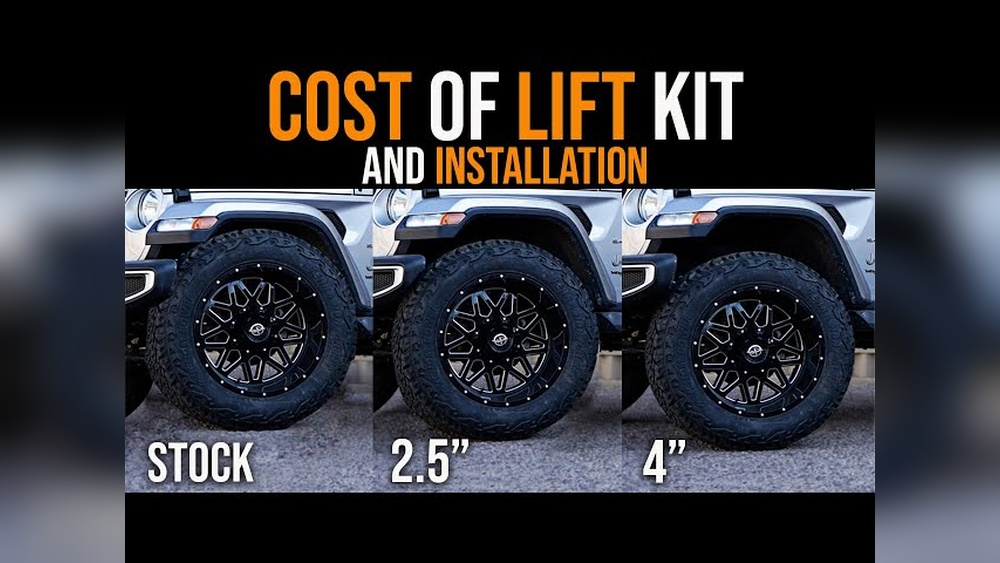
Let’s break down everything so you can plan your Jeep lift with confidence.
What Does “Lifting a Jeep” Mean?
Lifting a Jeep means raising its body or suspension higher above the wheels. People lift Jeeps for off-road clearance, better looks, or both. There are two main ways to lift a Jeep:
- Body lift: Adds spacers between the frame and body. Cheaper, but it only increases clearance under the body.
- Suspension lift: Raises the whole suspension system. Gives more ground clearance and room for bigger tires.
Main Types Of Jeep Lift Kits
Choosing the right lift kit is key. Each type has a different price, effect, and level of difficulty.
1. Spacer (budget) Lift Kits
Spacer kits (also called budget boosts) use simple coil spacers to raise your Jeep around 1-2.5 inches. They’re the cheapest option and don’t change the suspension much.
- Cost: $70, $350 for parts
- Labor: $200, $400 if installed at a shop
- Best for: Mild lift, beginner DIY, keeping stock ride quality
2. Body Lift Kits
Body lifts add blocks between the Jeep’s frame and body. Usually lifts 1-2 inches. They’re simple but don’t increase ground clearance under the axles.
- Cost: $100, $350 for parts
- Labor: $150, $400 at a shop
- Best for: Appearance, fitting slightly bigger tires
3. Suspension Lift Kits
Suspension lifts raise the whole Jeep, including the frame, body, and suspension. They come in many sizes, from 2 inches to 6 inches or more.
- Cost: $400, $5,000+ for parts (big range)
- Labor: $400, $1,500+ at a shop
- Best for: Serious off-roading, major tire upgrades, more flex
Suspension Lift Subtypes
- Short arm kits: Easier to install, less expensive. Good for 2-4 inches of lift.
- Long arm kits: Better ride and off-road flex, but cost more and need more work.
- Coilover kits: High-end, adjustable shocks. For extreme off-roaders.
4. Leveling Kits
Leveling kits raise the front of your Jeep to match the rear. They’re cheap and easy, mainly for looks.
- Cost: $80, $300 for parts
- Labor: $150, $350 at a shop
Cost Breakdown: How Much To Lift A Jeep?
The price to lift a Jeep depends on your goals, the kit you pick, and your Jeep model. Here’s a breakdown for a typical Jeep Wrangler:
| Lift Type | Lift Height | Parts Cost | Labor Cost | Total Cost (Est.) |
|---|---|---|---|---|
| Spacer Kit | 1-2.5″ | $70, $350 | $200, $400 | $270, $750 |
| Body Lift | 1-2″ | $100, $350 | $150, $400 | $250, $750 |
| Suspension (Short Arm) | 2 to 4″ | $400, $1,500 | $400, $900 | $800, $2,400 |
| Suspension (Long Arm) | 4 to 6″+ | $1,200, $5,000 | $800, $1,500 | $2,000, $6,500+ |
| Leveling Kit | 1 to 2″ | $80, $300 | $150, $350 | $230, $650 |
Note: Prices can vary based on location, Jeep year/model, and shop rates.
What Affects The Cost To Lift A Jeep?
Many factors change the price. Here are the big ones:
Jeep Model And Year
A Jeep Gladiator costs more to lift than a Jeep Wrangler TJ. Newer models may need more advanced kits.
Lift Height
A taller lift means more expensive parts and more labor. A 2-inch lift is much cheaper than a 4-inch or 6-inch lift.
Diy Vs. Professional Installation
- DIY installation saves money but needs tools, space, and skills.
- Professional installation costs more but is quicker and often includes a warranty.
Additional Parts And Upgrades
A lift kit isn’t always all you need. You might also need:
- Bigger tires ($600, $2,000 for a set of 4)
- New wheels ($400, $1,500)
- Extended brake lines
- Driveshaft modifications
- Steering stabilizers
Here’s a quick look at common add-ons and their prices:
| Upgrade | Estimated Cost | When Needed |
|---|---|---|
| Bigger Tires (Set of 4) | $600, $2,000 | For lifts over 2″ |
| Wheels | $400, $1,500 | If upgrading tires or for style |
| Brake Line Extensions | $50, $150 | 3″+ lifts |
| Driveshaft Upgrade | $350, $900 | 4″+ lifts |
| Steering Stabilizer | $80, $300 | For better handling |
Alignment And Other Services
After lifting, a wheel alignment is almost always needed ($80 $130). Some shops include it, some don’t.
Is Lifting A Jeep Worth The Cost?
For many, lifting a Jeep is about more than just looks. Here’s what to consider.
Pros
- Better off-road ability: More clearance for rocks, mud, and trails.
- Fits bigger tires: Improves traction, looks, and performance.
- Personal style: Makes your Jeep unique and more aggressive.
Cons
- Higher cost: Not just the lift, but tires, wheels, and possible repairs.
- Ride changes: A taller Jeep can feel less stable on highways.
- More wear: Lifting puts more stress on parts like axles and driveshafts.
Insight: Many new Jeep owners forget about the “hidden costs” like alignments, new shocks, or extra parts. Plan your budget carefully.
How To Choose The Right Jeep Lift Kit
Picking the right lift kit depends on your driving, budget, and skills. Here’s how to decide:
1. Know Your Goal
- Mostly street driving: A 1-2 inch spacer or leveling kit is enough.
- Weekend off-roading: 2-4 inch suspension lift, bigger tires.
- Extreme trails: 4+ inch long arm kit, heavy upgrades.
2. Set A Realistic Budget
Add up the kit price, labor, tires, wheels, and alignment. Always add 10 20% for surprises.
3. Consider Diy Vs. Shop Install
- If you have tools and time, a spacer or body lift can be DIY.
- Suspension lifts and long arm kits are best left to pros unless you’re skilled.
4. Check Local Laws
Some states have rules on bumper or headlight height. Check before you lift.
Non-obvious tip: Insurance companies might change your rate if you lift your Jeep. Always inform your insurer about major modifications.
Real-world Example: Lifting A Jeep Wrangler JL
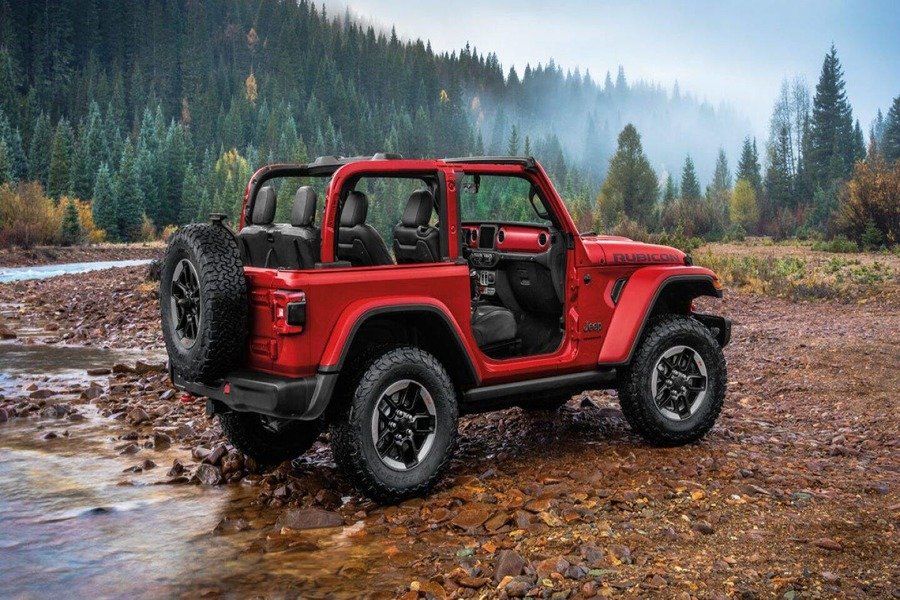
Let’s say you want a 2.5-inch suspension lift on a Jeep Wrangler JL:
- Lift kit (quality brand): $550
- Labor (shop): $450
- Wheel alignment: $100
- Bigger tires (33″ all-terrain): $900
- New wheels: $600
Total: $2,600 (approximate, not including tax or surprise costs)
If you do the install yourself, you could save $450 on labor.
Common Mistakes To Avoid
Many beginners make costly errors. Here’s what to watch out for:
- Buying too cheaply: Very cheap kits can ride badly or wear out fast.
- Ignoring extra costs: Forgetting tires, wheels, or alignment adds stress later.
- Skipping research: Not all kits fit all Jeep models/years.
- DIY without skill: Bad installation can lead to safety problems.
- Not checking laws: Illegal lifts can result in tickets or insurance problems.
Expert insight: Don’t just buy the tallest lift you can afford. Match the lift to your driving style and needs.
Jeep Lift Kit Brands To Consider
Some popular and trusted brands for lift kits include:
- Teraflex
- Rubicon Express
- Rough Country (affordable)
- MetalCloak
- Mopar (factory-approved for new Jeeps)
Always read reviews and check if the kit fits your exact Jeep year and model.
DIY Vs. Professional Installation: Which Is Best?
Lifting a Jeep yourself can save money, but it’s not for everyone.
Diy Pros
- Cheaper: Save on labor.
- Learn your Jeep: Good for future repairs.
Diy Cons
- Takes time: Can take 5 to 10 hours or more.
- Needs tools: Jack, stands, wrenches, possibly spring compressors.
- Mistakes are costly: Improper installation can be dangerous.
Pro Shop Pros
- Faster: Usually done in one day.
- Warranty: Many shops guarantee their work.
- Peace of mind: No guesswork.
Pro Shop Cons
- More expensive: Labor costs add up.
- Less hands-on experience
Tip: For first-timers, a basic spacer or body lift is a good DIY project. For big suspension lifts, go with a trusted shop.
How To Save Money When Lifting A Jeep
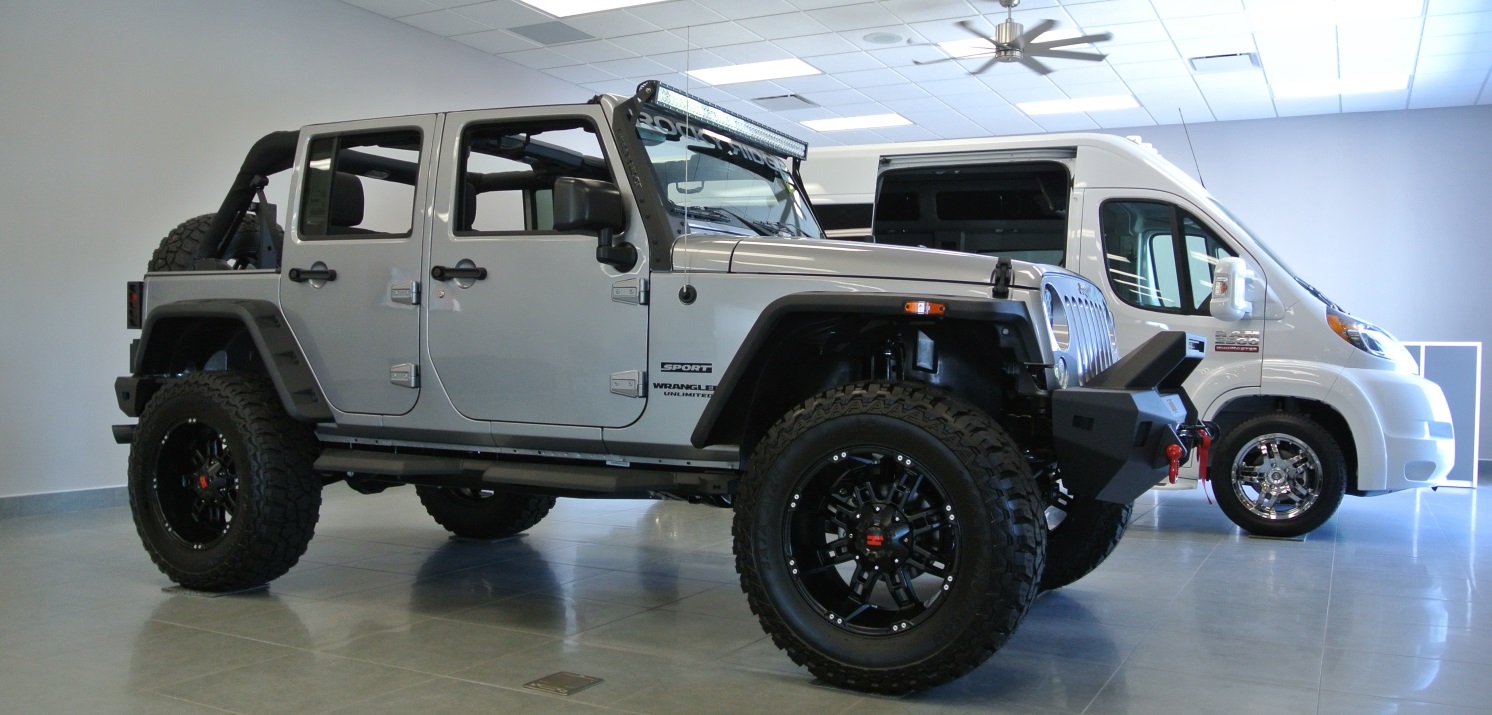
Want to lift your Jeep without breaking the bank? Here’s how:
- Start with a spacer or small suspension lift, then upgrade later.
- Shop for used wheels and tires in good condition.
- Ask about package deals (kit + install + alignment).
- Wait for holiday sales at off-road shops.
- Join Jeep forums to find discounts and DIY tips.
Where To Find Jeep Lift Kits
Buy from trusted retailers, not just the cheapest online store. Good sources include:
- Official Jeep dealers (for Mopar kits)
- 4 Wheel Parts
- Quadratec
- Northridge4x4
Always confirm the kit matches your Jeep’s year, model, and trim.
For more technical details, visit the Wikipedia page on lift kits.
<!– wp:rank-math/faq-block {"questions":[{"id":"faq-question-d0db71a7ec5a","title":"How Much Does It Cost To Lift A Jeep 2 Inches?","content":"A 2-inch lift usually costs $300 $1,000 for parts and labor, depending on your Jeep model and whether you install it yourself or use a shop. Spacer kits are cheaper, while suspension kits cost more but give better results.
“,”visible”:true},{“id”:”faq-question-c93055a1cb0d”,”title”:”Will Lifting My Jeep Void The Warranty?”,”content”:”If your Jeep is new, some warranties may be affected if the lift causes related problems. Mopar (Jeep’s own brand) lift kits are less likely to cause warranty issues.
“,”visible”:true},{“id”:”faq-question-ea6f86ef99f0″,”title”:”Can I Fit 35-inch Tires With A 2.5-inch Lift?”,”content”:”On most Jeep Wranglers, a 2. 5-inch lift is enough for 35-inch tires, but you may need wheel spacers or fender trimming. Always check your model’s specs.
“,”visible”:true},{“id”:”faq-question-09b3c50da995″,”title”:”Is It Safe To Lift A Jeep For Daily Driving?”,”content”:”A small lift (1 2. 5 inches) is usually safe for daily driving. Larger lifts can affect handling and stability. Always use quality parts and proper installation.
“,”visible”:true},{“id”:”faq-question-af53ec00eb8f”,”title”:”How Long Does It Take To Install A Jeep Lift Kit?”,”content”:”A basic spacer or body lift can take 3 5 hours for a skilled DIYer. A full suspension lift at a shop may take 6 10 hours.
“,”visible”:true}]} –>How Much Does It Cost To Lift A Jeep 2 Inches?
A 2-inch lift usually costs $300 $1,000 for parts and labor, depending on your Jeep model and whether you install it yourself or use a shop. Spacer kits are cheaper, while suspension kits cost more but give better results.
Will Lifting My Jeep Void The Warranty?
If your Jeep is new, some warranties may be affected if the lift causes related problems. Mopar (Jeep’s own brand) lift kits are less likely to cause warranty issues.
Can I Fit 35-inch Tires With A 2.5-inch Lift?
On most Jeep Wranglers, a 2. 5-inch lift is enough for 35-inch tires, but you may need wheel spacers or fender trimming. Always check your model’s specs.
Is It Safe To Lift A Jeep For Daily Driving?
A small lift (1 2. 5 inches) is usually safe for daily driving. Larger lifts can affect handling and stability. Always use quality parts and proper installation.
How Long Does It Take To Install A Jeep Lift Kit?
A basic spacer or body lift can take 3 5 hours for a skilled DIYer. A full suspension lift at a shop may take 6 10 hours.
Final Thoughts
Lifting a Jeep is a fun upgrade that can boost both looks and off-road skills. Costs range widely, from a few hundred dollars to several thousand, depending on the kit, labor, and extra parts.
The best choice is the one that fits your needs, skills, and budget.
Always plan for the full cost, not just the lift kit itself, and choose trusted brands and shops for a safe, quality result. With the right approach, you’ll enjoy a tougher, more capable Jeep for years to come.



















