If you own a Jeep Wrangler, you might hear about the catalytic converter—especially if you’re facing engine issues or considering repairs. But where exactly is it?
And why does its location matter? Many Jeep owners ask this question when they see warning lights or need to pass an emissions test.
Finding the catalytic converter isn’t hard, but knowing its exact position will save you time and help avoid mistakes during maintenance.
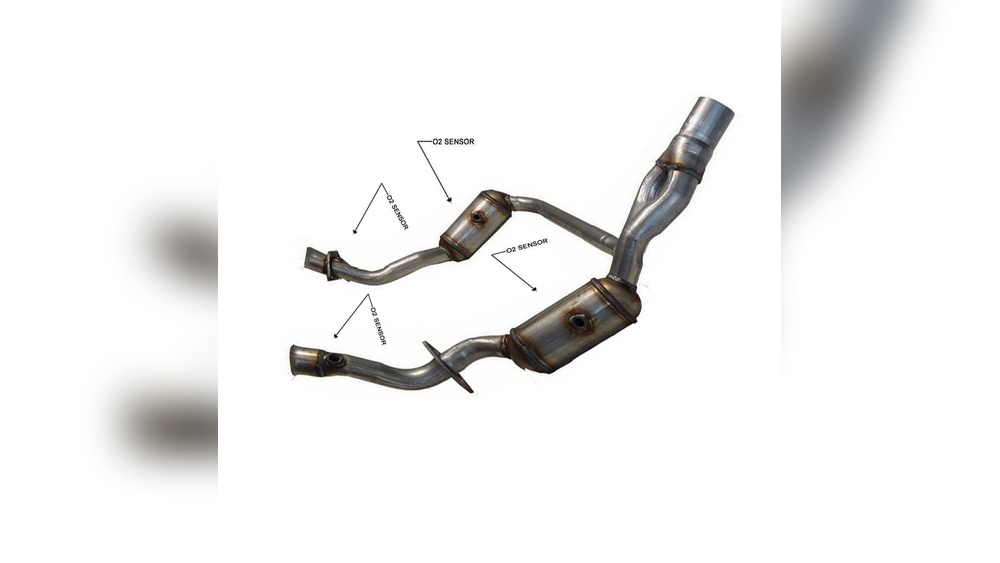
What Is A Catalytic Converter?
A catalytic converter is a part of your Jeep’s exhaust system. Its main job is to change harmful gases—like carbon monoxide, nitrogen oxides, and hydrocarbons—into less dangerous substances before they leave the tailpipe. This makes your Jeep safer for the environment and helps it meet legal requirements.
Most Jeep Wranglers use a three-way catalytic converter. It works in three steps:
- Reduces nitrogen oxides to nitrogen and oxygen.
- Oxidizes carbon monoxide to carbon dioxide.
- Oxidizes unburned hydrocarbons to water and carbon dioxide.
Location Of Catalytic Converter On Jeep Wrangler
The exact location can depend on the model year and the engine type. However, the catalytic converter is usually found in the same general area.
Typical Placement
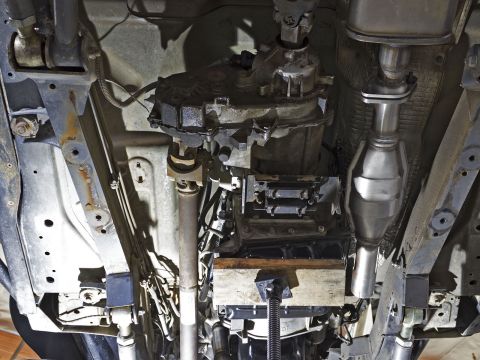
For most Jeep Wranglers (especially 2007–2024 models with the 3.6L or 2.0L engines), the catalytic converter sits underneath the vehicle, between the engine and the muffler. It’s attached to the exhaust pipe that comes right out of the engine’s exhaust manifold.
Here’s a simplified guide:
- Crawl under the Jeep from the passenger side.
- Locate the exhaust pipe running from the engine towards the rear.
- The catalytic converter is a metal canister, usually shaped like an oval or cylinder, with heat shields around it.
Models With Dual Catalytic Converters
Some Jeep Wranglers, especially newer models and those with V6 engines, have two catalytic converters. One is positioned closer to the engine, and the other is further down the exhaust line.
| Model Year | Engine Type | Catalytic Converter Location |
|---|---|---|
| 2007–2011 | 3.8L V6 | Single, under front passenger seat |
| 2012–2018 | 3.6L V6 | Dual, under both front seats |
| 2019–2024 | 2.0L Turbo | Single, closer to engine |
How To Identify The Catalytic Converter
The catalytic converter is often covered by a heat shield and is larger than the other parts of the exhaust system. It looks like a metal box or cylinder with pipes coming in and out. If you see sensors or wires attached, those are usually oxygen sensors—these help the converter work more efficiently.
Why Its Location Matters
Knowing where the catalytic converter is helps in several ways:
- Maintenance: You can quickly check for damage, leaks, or theft.
- Replacement: Mechanics and DIY enthusiasts can remove and replace the part easily.
- Theft Prevention: Catalytic converters are often stolen for the metals inside. If you know the location, you can add extra protection.
Some Jeep models have converters placed higher, making them harder to steal. Others are more exposed, especially on lifted Wranglers.
| Model | Converter Visibility | Theft Risk |
|---|---|---|
| Wrangler Sport | High | Medium |
| Wrangler Rubicon | Medium | Low |
| Wrangler Unlimited | Low | Low |
Steps To Locate And Inspect The Catalytic Converter
- Park your Jeep on a flat surface.
- Let the vehicle cool down. The exhaust system gets very hot.
- Use a flashlight and crawl underneath from the passenger side.
- Follow the exhaust pipe from the engine. Look for a metal canister with heat shields.
- Check for damage, rust, or missing parts.
Tip: If your Jeep has two converters, check both sides under the front seats.
Common Mistakes When Searching
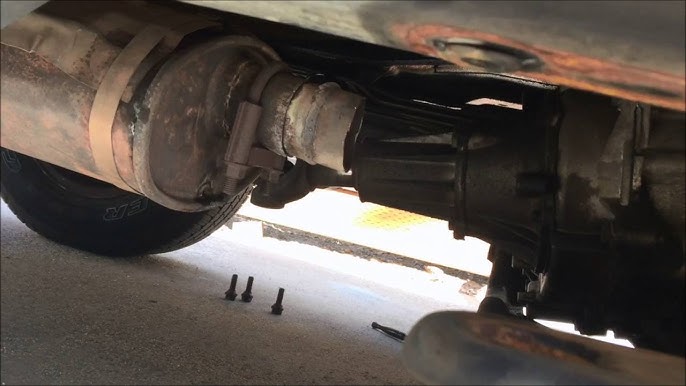
Many beginners confuse the muffler with the catalytic converter. The muffler is further back, closer to the rear wheels, and usually larger and rounder. Another mistake is missing the heat shield, which can hide the converter’s shape.
Some people try to check the converter while the Jeep is still hot, which can cause burns. Always let the exhaust system cool down for at least 30 minutes.
Signs Of Catalytic Converter Problems
If you know where the converter is, you can spot issues earlier. Common signs include:
- Check Engine Light: Often signals converter or oxygen sensor problems.
- Strange Smells: A rotten egg smell means the converter may be failing.
- Poor Performance: Loss of power or rough running can be linked to converter blockage.
Jeep Wranglers often show these signs when the converter is clogged or damaged. Early detection can save you money and trouble.
What Makes Jeep Wrangler’s Converter Unique
The Wrangler’s high ground clearance and off-road focus mean the converter is less likely to be hit by rocks or debris. However, because many Wranglers are lifted, the converter is sometimes more exposed to thieves.
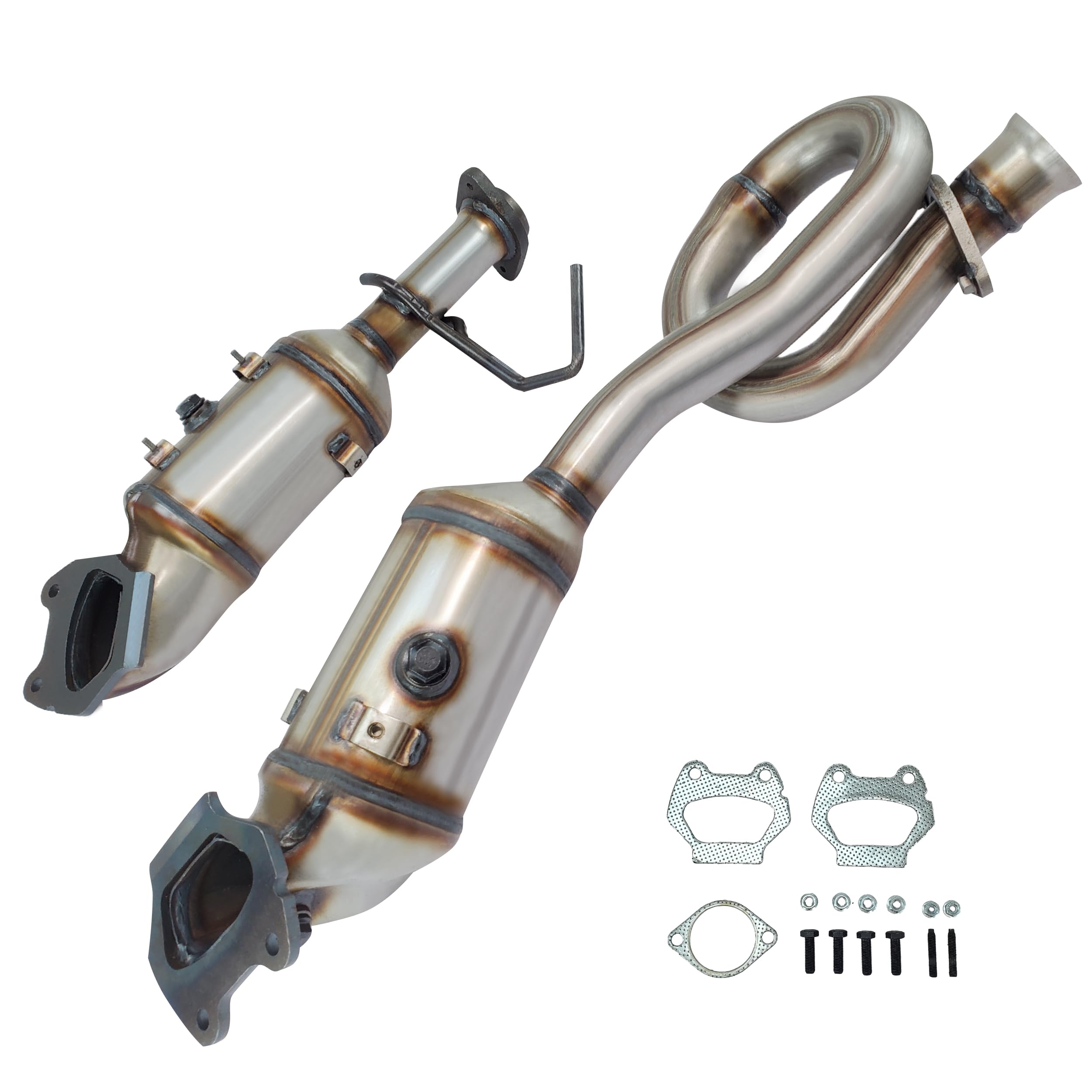
Jeep uses converters built to handle rough conditions. They’re made from stainless steel and sometimes have extra shields. This makes them last longer, but they can still fail due to age or contamination.
How To Protect Your Catalytic Converter
Here are some practical ways to reduce theft and damage:
- Install a catalytic converter lock or shield.
- Park in well-lit or secure areas.
- Add a dashcam or alarm system.
- Etch your VIN onto the converter.
These steps make your Jeep less attractive to thieves and help police track stolen parts.
Cost Of Replacement And Repair
A new catalytic converter for a Jeep Wrangler can cost $800–$1,600 including labor. Used parts are cheaper but may not last as long. Insurance sometimes covers theft, but you’ll need a police report.
| Replacement Type | Average Cost | Warranty |
|---|---|---|
| OEM (Original) | $1,200 | 3 years |
| Aftermarket | $850 | 1 year |
| Used | $400 | None |
If you drive off-road often, check your converter every few months for dents or damage.


















