The word “Jeep” is recognized worldwide as a symbol of rugged vehicles and military history. But have you ever wondered where the term “Jeep” actually came from?
The story is filled with myths, real events, and some interesting twists. Understanding the origins of “Jeep” reveals not just a name but a journey through American culture, war, and language.
The Birth Of A Unique Vehicle
In the late 1930s, the world was heading toward war. The U.S. military needed a light, fast, all-terrain vehicle that could go where trucks and cars could not. In 1940, the U.S. Army asked car companies to build a new kind of vehicle. The requirements were tough: the vehicle had to be light, four-wheel drive, carry soldiers and equipment, and handle rough ground.
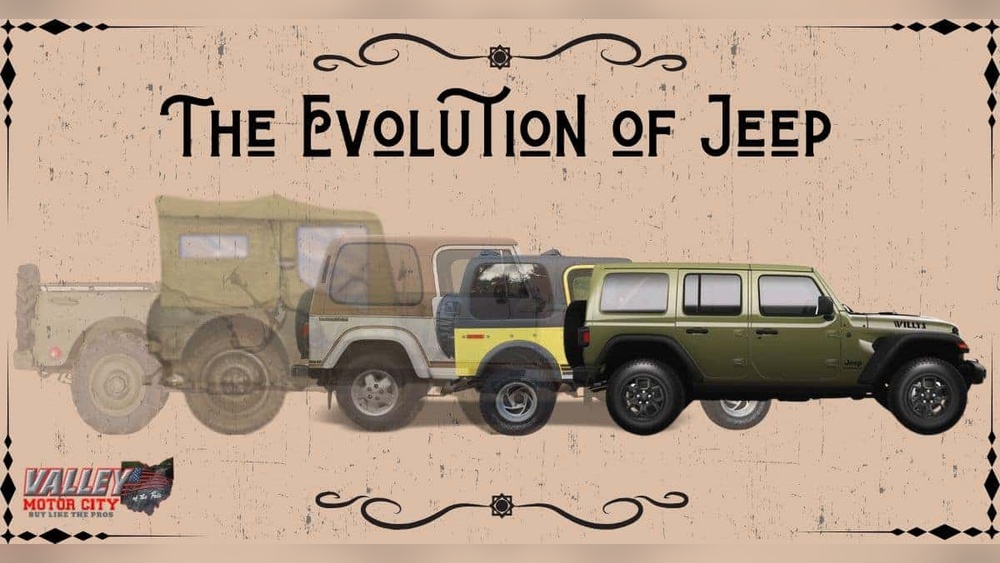
Three companies answered the call: Bantam, Willys-Overland, and Ford. Each built a prototype in a short time. Willys’ version, called the Willys MB, became the base for the military’s new vehicle. Ford’s model was called the GPW.
Here’s a quick comparison of the three early makers:
| Company | Model Name | Year | Unique Feature |
|---|---|---|---|
| Bantam | BRC-40 | 1940 | First prototype delivered |
| Willys-Overland | MB | 1941 | “Go-Devil” engine power |
| Ford | GPW | 1941 | Standardized parts with Willys |
Theories Behind The Name “jeep”
The true origin of the name “Jeep” is debated. There are a few main theories, each with some evidence.
1. Military Slang And The Letters “g.p.”
One strong theory is that “Jeep” comes from the letters G.P., which stood for “General Purpose” or “Government Purpose” vehicle in military documents. Soldiers often spoke quickly, and “G.P.” could easily sound like “Jeep” when said aloud.
But there’s a twist: Ford’s model was officially called the GPW (“G” for government, “P” for 80-inch wheelbase, “W” for Willys design). Some experts say the “G.P.” term was not used as much as people think, and the jump from “G.P.” to “Jeep” might not be so direct.
2. Cartoon Influence: Eugene The Jeep
Another theory points to a cartoon character named “Eugene the Jeep” from the Popeye comic strip. Eugene was a magical, go-anywhere creature. The vehicle’s ability to handle any terrain reminded soldiers of Eugene’s talents, so they started calling the vehicle a “Jeep.”
The first known use of “Jeep” for the vehicle appeared in print in 1941, when an army test driver, Irving “Red” Hausmann, demonstrated the Willys model to reporters. A journalist asked what the vehicle was called, and Hausmann reportedly replied, “It’s a Jeep.
”
3. Pre-war Slang
The word “jeep” was also used in military slang before the famous vehicle existed. It was a term for new recruits or untested vehicles.
The meaning changed as soldiers began using the vehicle and found it reliable.
Here’s a table summarizing the main theories:
| Theory | Explanation | Evidence |
|---|---|---|
| “G.P.” Slang | Derived from “General Purpose” | Some documents, Ford’s GPW |
| Cartoon Character | Named after Eugene the Jeep | Popular Popeye strip, soldier stories |
| Pre-War Slang | Military term for recruits or vehicles | Slang dictionaries, army usage |
The Jeep’s Rise To Fame
Once the Willys MB hit the battlefield in World War II, the name “Jeep” became famous. The vehicle was reliable, simple, and could do things no other military car could. More than 600,000 Jeeps were built during the war. Soldiers and journalists used the name “Jeep” so often that it stuck.
Some key points about the Jeep’s early fame:
- General Dwight D. Eisenhower called the Jeep one of the U.S. Army’s most important weapons.
- The Jeep could cross mud, water, and steep hills with ease.
- Many war photos and news stories showed the Jeep in action, spreading its reputation.
Civilian Jeep And Lasting Legacy
After the war, Willys trademarked the name “Jeep” and began building versions for the public. The first civilian model, the CJ-2A, appeared in 1945. Farmers, workers, and outdoor lovers quickly saw its value.
Today, “Jeep” is a brand owned by Stellantis (formerly Fiat Chrysler Automobiles). The company sells millions of SUVs worldwide.
The name “Jeep” is now used for everything from small SUVs to off-road monsters.
Here’s a look at how Jeep sales have grown:
| Year | Jeep Models Sold (Worldwide) |
|---|---|
| 1945 | About 9,000 |
| 1980 | Approx. 200,000 |
| 2020 | Over 1.4 million |
Non-obvious Insights About The Name “jeep”
Many people think the term “Jeep” was just a marketing choice, but it grew from real-life soldier slang. Also, the word quickly became a generic term for any small, rugged four-wheel drive, not just the Willys model.
This shows how powerful language and culture can be in shaping a brand.
Another fact: The Jeep’s design set the stage for modern SUVs. Features like four-wheel drive, high ground clearance, and a boxy body became the blueprint for today’s off-road vehicles.
Why The Name Matters
Names create identity. “Jeep” became more than just a label for a car. It symbolized toughness, freedom, and adventure. This helped the brand survive long after World War II. The story of Jeep’s name shows how a simple word, shaped by need and creativity, can make history.
For more historical details, you can check the official Jeep Wikipedia page.

Frequently Asked Questions
What Was The First Vehicle Officially Called A “jeep”?
The first vehicle widely known as a “Jeep” was the Willys MB, built for the U.S. Army in 1941. However, soldiers used the name informally before it was official.
Is “jeep” An Acronym?
No, “Jeep” is not officially an acronym. Some believe it comes from “G.
P. ” (General Purpose), but there is no proof that this was the official reason for the name.
Did The Name “jeep” Come From A Cartoon?
Yes, partly. The Popeye cartoon character Eugene the Jeep inspired soldiers to use the word for the new military vehicle, due to its go-anywhere ability.
Who Owns The Jeep Brand Today?
As of 2024, Stellantis owns the Jeep brand. Stellantis is a large car company formed by merging Fiat Chrysler Automobiles with PSA Group.
What Makes Jeeps Different From Other Vehicles?
Jeeps are known for their four-wheel drive, boxy shape, and off-road ability. They were built to survive hard use in war and remain popular with outdoor fans today.
The Jeep’s name is a reminder of how history, culture, and language can come together to create something unique and lasting.