The Jeep Compass is one of the most recognized compact SUVs in the world. Its mix of off-road ability and city comfort has attracted many drivers since its launch.
However, the Compass has not stayed the same over the years. It has gone through several redesigns to keep up with changing customer needs and strong competition.
If you are considering buying a Jeep Compass or just want to know its history, understanding when and how it was redesigned is essential.
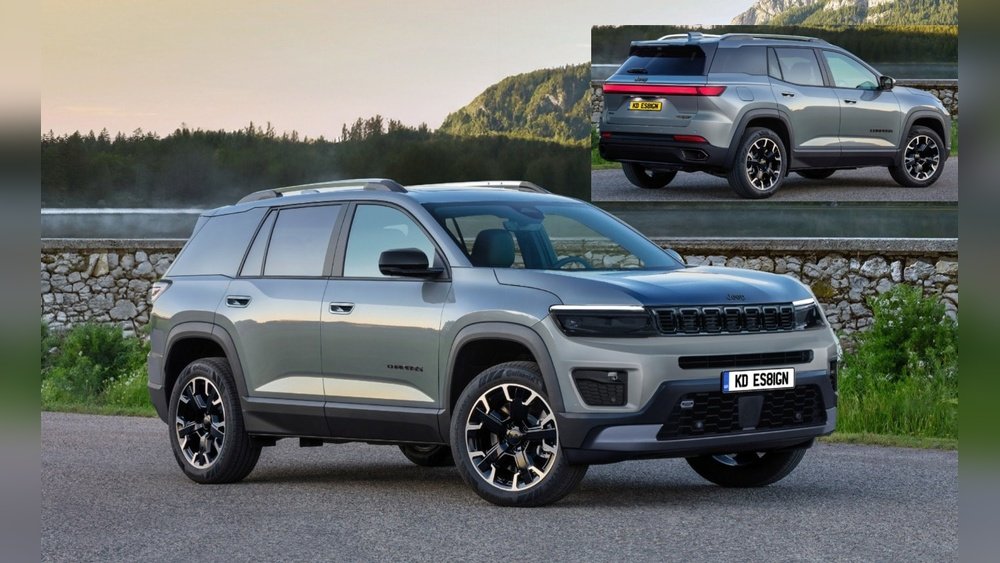
The First Generation: 2007–2016
The Jeep Compass made its debut in 2006 as a 2007 model. This was Jeep’s first real move into the compact crossover market. The original Compass was based on the Dodge Caliber platform and targeted buyers who wanted something smaller and more fuel efficient than the Jeep Cherokee.
Key features of the first generation included:
- 2.0L and 2.4L four-cylinder engines
- Front-wheel drive standard, with optional all-wheel drive
- CVT automatic transmission for smoother city driving
Over time, Jeep updated the Compass with several facelifts. The most notable facelift came in 2011, which gave the Compass a look similar to the larger Grand Cherokee. Still, many people felt the interior quality and performance lagged behind rivals.
Major Redesign: 2017–present (second Generation)
The biggest change in the Compass story happened with the 2017 model year. Jeep launched a completely redesigned Compass, marking the start of the second generation. This was not just a facelift—it was a ground-up redesign with a new platform, new engines, and a focus on better quality.
Here are the most important changes:
- New platform: The second-generation Compass switched to FCA’s “Small Wide 4×4” platform, also used by the Jeep Renegade and Fiat 500X. This improved ride comfort and handling.
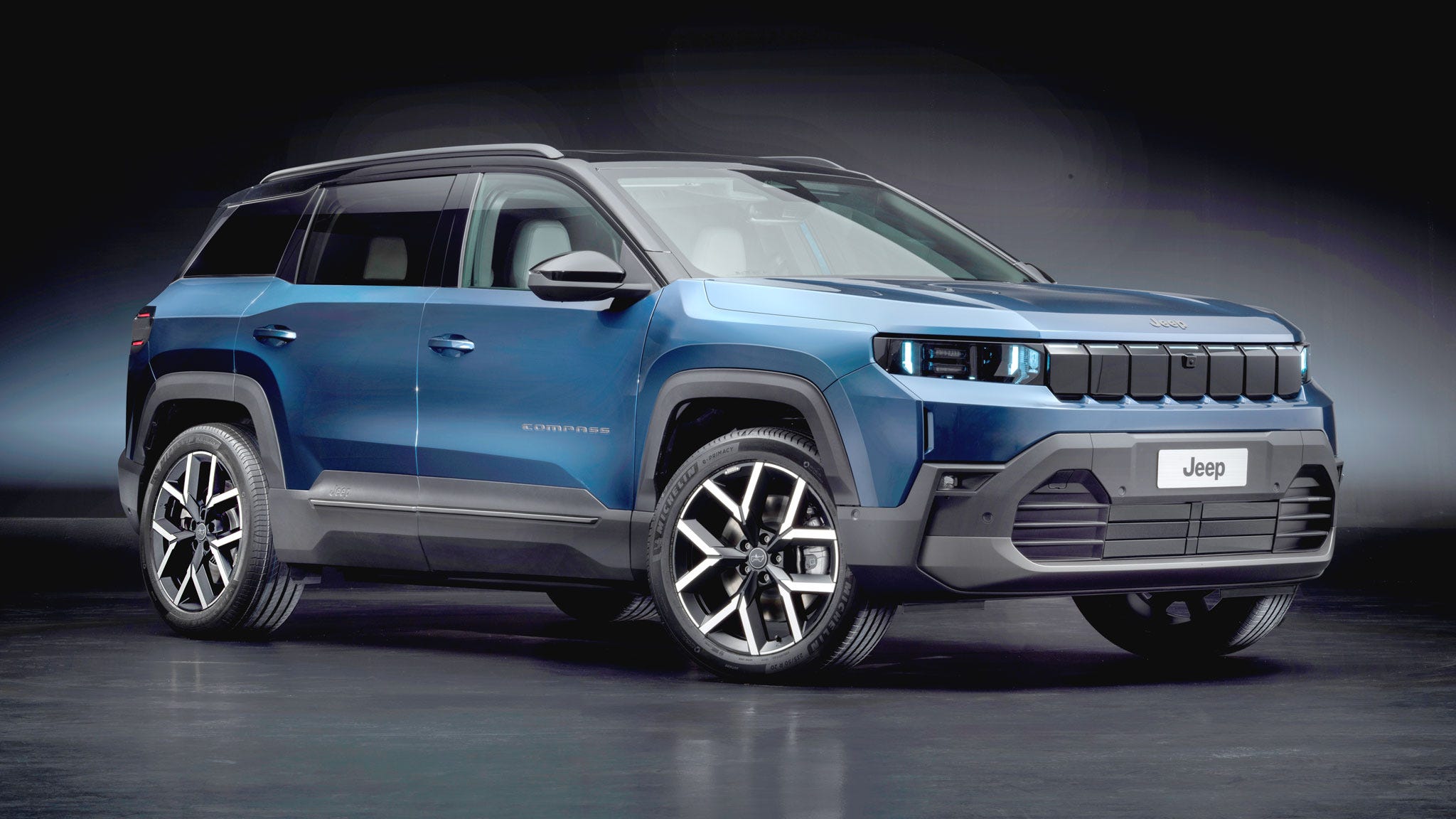
- Modern design: The exterior styling became more like the Grand Cherokee, with sharp lines and Jeep’s signature seven-slot grille.
- Interior upgrades: The cabin quality improved a lot, with better materials, more tech, and a larger touchscreen.
- Engine options: The US market mainly got a 2.4L Tigershark four-cylinder engine, while other countries could get diesel options.
- Advanced safety: Features like forward collision warning and lane departure warning became available.
The 2017 redesign helped the Compass become a strong competitor in the compact SUV segment.
Compass Redesign Timeline
This timeline shows how the Jeep Compass has evolved:
| Year | Event | Main Changes |
|---|---|---|
| 2007 | First Generation Launch | Compact crossover, FWD/AWD, basic interior |
| 2011 | Facelift | Grand Cherokee-inspired front end, interior tweaks |
| 2017 | Full Redesign | New platform, upscale design, improved tech |
| 2022 | Mid-Cycle Refresh | Updated interior, new tech, safety upgrades |

The 2022 Mid-cycle Refresh
While 2017 was the biggest redesign, Jeep also gave the Compass an important mid-cycle update for the 2022 model year. This update did not change the Compass completely but brought key improvements.
Highlights of the 2022 refresh:
- New dashboard design and higher-quality interior materials
- 10.1-inch touchscreen with the latest Uconnect 5 infotainment system
- Improved safety features like adaptive cruise control and traffic sign recognition
- Slight exterior tweaks with new wheel designs and updated grille details
These changes made the Compass more modern and competitive, especially in terms of technology.
Comparing The Generations
To help you see the main differences, here’s a comparison of the two generations:
| Feature | First Generation (2007–2016) | Second Generation (2017–Present) |
|---|---|---|
| Platform | Dodge Caliber-based | Small Wide 4×4 |
| Interior Quality | Basic, hard plastics | Softer materials, more tech |
| Infotainment | Small display, few features | Up to 10.1-inch touchscreen, Uconnect 5 |
| Safety Tech | Limited options | Advanced driver aids available |
| Exterior Styling | Rounded, less aggressive | Bold, Grand Cherokee-like |
Jeep Compass In Today’s Market
The current Jeep Compass sits between the smaller Jeep Renegade and the larger Jeep Cherokee. It competes with popular models like the Honda CR-V, Toyota RAV4, and Mazda CX-5. Its main selling points are:
- Real off-road ability, especially in the Trailhawk trim
- Bold Jeep styling
- Good mix of size and comfort for city and country driving
One detail many people miss is how global the current Compass is. Jeep builds it in several countries, including the United States, Mexico, Brazil, Italy, and India.
This allows Jeep to offer special features and engines for different markets.

What Buyers Should Know
If you are looking for a used Compass, it’s important to know which generation you are considering. The first generation (2007–2016) is more affordable but feels much older inside and out. The second generation (2017–present) offers much more value, thanks to better safety, technology, and comfort.
When choosing a used Compass, pay special attention to these points:
- Transmission reliability: Early CVT models (2007–2010) sometimes had problems.
- Interior condition: The 2011 facelift improved materials, but only the 2017 redesign made a big difference.
- Tech features: If you want Apple CarPlay, Android Auto, or advanced safety, look for 2022 or newer.
- Off-road needs: Only the Trailhawk trim has full off-road gear like skid plates and low-range mode.
- Service history: As with any used car, a good maintenance record is a must.
Many buyers miss that the 2022 refresh is almost as important as the 2017 redesign, especially if you care about technology and safety.
Frequently Asked Questions